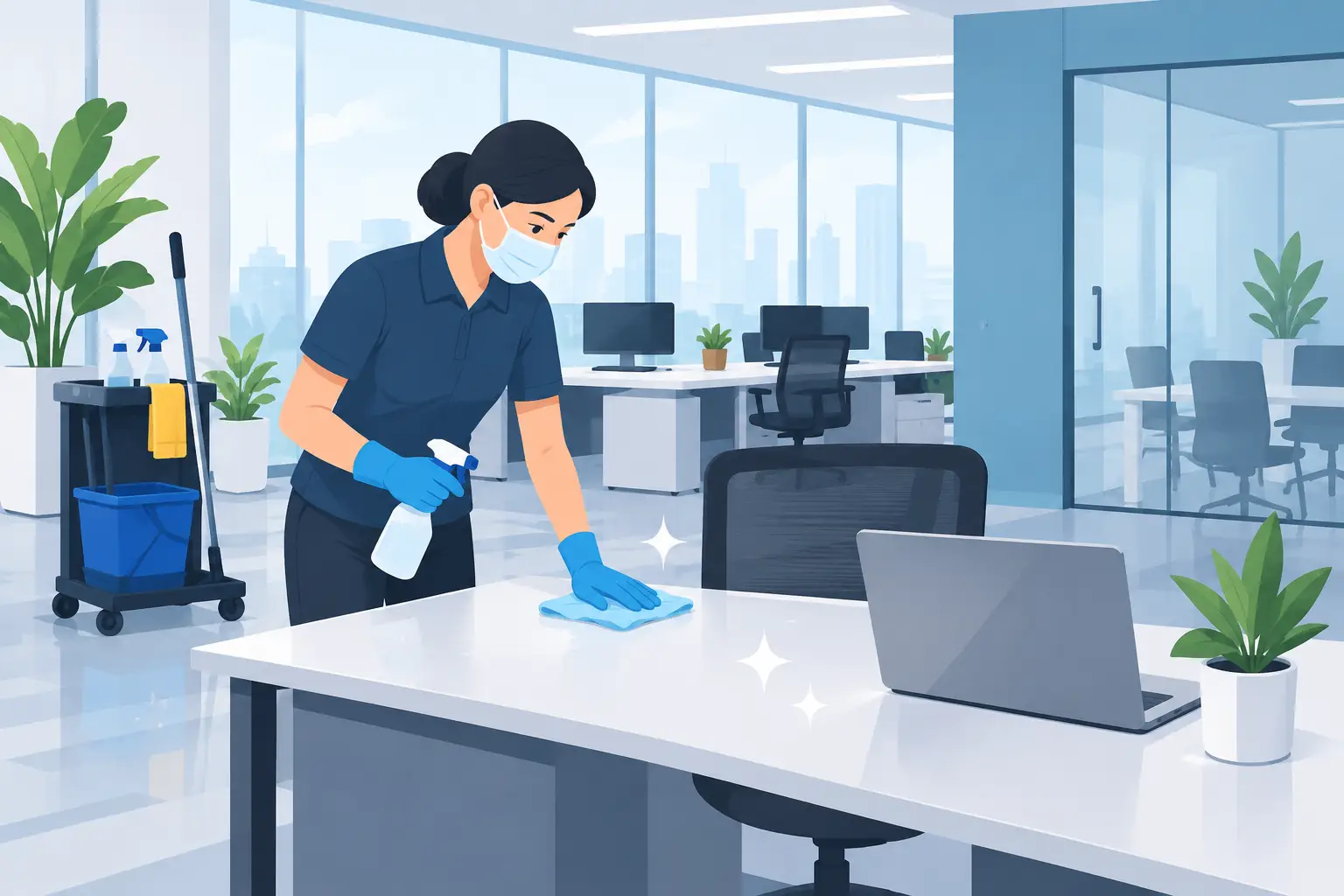
A clean office is not simply one that looks presentable when a client walks through the door. It is one where employees can work comfortably, shared surfaces are managed properly, rubbish does not build up, and cleaning happens consistently rather than only when there is a visible problem. This workplace sanitation standards guide helps Melbourne businesses create practical routines that protect their people, premises and professional reputation.
What workplace sanitation standards should cover
Workplace sanitation is broader than emptying bins and vacuuming carpets. It is the regular management of dirt, dust, spills, waste, washrooms and frequently touched surfaces so the workplace remains hygienic, safe and comfortable to use.
The right standard will vary by workplace. A small office with hybrid staff may need a focused weekly clean and touchpoint attention between visits. A busy medical-adjacent practice, childcare setting, retail site or shared workspace may need daily cleaning and more detailed disinfection. The goal is not to apply the same checklist everywhere. It is to match the routine to how people use the space.
At a minimum, a workplace sanitation plan should address desk areas, kitchens, bathrooms, entry points, meeting rooms, floors, rubbish collection and high-touch surfaces. It should also make clear who is responsible for each task and how issues are reported before they become larger problems.
Start with a realistic site assessment
Before setting a cleaning schedule, walk through the workplace at the times it is busiest. Look beyond the obvious areas. Notice where cups accumulate, which door handles are used most, whether bathroom supplies run low before the end of the day, and where food crumbs or muddy footwear tend to appear.
Pay particular attention to shared zones. Kitchens, lunchrooms, reception counters, meeting rooms and bathrooms carry more traffic than individual offices, so they usually need the most frequent attention. In an open-plan office, shared printers, kitchen appliance handles and breakout tables can be just as relevant as desks.
This assessment should also consider practical factors such as staff numbers, visitor traffic, operating hours, carpeted versus hard flooring, and whether employees eat at their workstations. A cleaning plan that works for a quiet professional suite may not be enough for a busy office with 40 people using the same kitchen each day.
Separate cleaning from disinfecting
Cleaning removes visible soil, dust, crumbs and grime. Disinfecting is used on suitable surfaces to reduce germs after cleaning. They are related, but they are not interchangeable.
For example, wiping a kitchen bench properly removes food residue and makes the surface clean. Where a higher level of hygiene is required, an appropriate disinfectant may then be used according to its label directions and contact time. Applying disinfectant over a dirty surface is less effective and can create a false sense of security.
Not every surface needs constant disinfection. Overuse of chemicals can damage finishes, create strong odours and add unnecessary cost. Focus extra attention on high-touch areas and situations where someone is unwell, while keeping routine cleaning thorough across the entire office.
Build a schedule people can follow
A good sanitation standard is simple enough to be followed on a busy week. Divide work into daily, weekly and periodic tasks so employees and cleaners know what should be done, when, and to what level.
Daily tasks normally include emptying rubbish, removing food waste, cleaning and restocking washrooms, wiping kitchen benches, cleaning obvious spills, and attending to high-touch points such as door handles, taps, shared equipment and lift buttons where relevant. Floors in entrances and kitchens may also need daily spot cleaning, especially during wet Melbourne weather.
Weekly work can cover thorough vacuuming and mopping, dusting accessible surfaces, detailed cleaning of kitchen appliances, meeting rooms and reception areas, and cleaning glass partitions or internal windows where fingerprints are noticeable. Periodic tasks may include carpet cleaning, high dusting, internal window cleaning, upholstery care and deeper bathroom detailing.
Avoid leaving the schedule in a folder that nobody checks. Display a short version in a staff area, give your cleaning provider a clear scope of work, and review it when staff numbers or work patterns change. A documented routine makes it easier to identify what has been missed and to maintain consistent results.
Give washrooms and kitchens priority
Washrooms and kitchens shape how staff and visitors judge the whole business. If these areas are poorly maintained, a tidy reception desk will not outweigh the impression.
Washrooms need more than a quick wipe. Toilets, basins, taps, flush buttons, door locks, dispensers, mirrors and floors all require regular cleaning. Soap, toilet paper and hand-drying supplies should be checked often enough that they do not run out during normal working hours. Bins should be emptied before they overflow, particularly in female and accessible bathrooms.
In the kitchen, set clear expectations around dishes, food storage and benches. Staff should wash up after themselves and label food where appropriate, but the business should still provide a dependable cleaning routine. Fridges benefit from a regular clear-out, and microwaves, kettle handles, cupboard pulls and refrigerator doors should not be overlooked.
Manage high-touch surfaces without disrupting work
High-touch surfaces deserve regular attention because many people use them throughout the day. Typical examples include handles, rails, switches, shared keyboards, printer controls, tap handles, fridge doors and meeting-room remotes.
The practical challenge is timing. Cleaning teams should not interrupt meetings or wipe down an employee’s desk while they are working unless this has been arranged. Many businesses manage this by scheduling professional cleaning after hours, then providing staff with suitable wipes or cleaning supplies for small daytime spills and shared equipment.
For personal desks, respect privacy and confidential material. Encourage a clear-desk approach before scheduled cleans, particularly in offices handling client documents. This allows cleaners to work properly while reducing the chance of important paperwork being moved or missed.
Use the right products and safe methods
A workplace can be sanitised thoroughly without filling it with harsh fragrances or unsuitable chemicals. Select products for the surface and task, follow the manufacturer directions, and ensure Safety Data Sheets are available for products used on site.
Colour-coded cloths and equipment can help prevent cross-contamination between bathrooms, kitchens and general office areas. Mop heads and cloths need washing or replacement as part of the process, not just used repeatedly from one room to the next. Cleaning tools that are poorly maintained can spread dirt rather than remove it.
Staff should also know how to respond to spills. A small drink spill may only need prompt cleaning and drying, while a bodily-fluid incident requires a more controlled response, appropriate protective equipment and the correct products. If there is uncertainty, restrict access to the area until it can be safely cleaned.
Set clear responsibilities and reporting lines
Sanitation works best when it is shared sensibly. Employees should be expected to clean up after themselves, report spills, avoid leaving food out and follow kitchen and bathroom etiquette. Managers should ensure supplies, schedules and professional cleaning support are in place. A cleaning provider should deliver the agreed work reliably and raise concerns they notice on site.
Give staff an easy way to report a problem, whether that is a facilities email address, a message channel or a simple form. Reports should cover matters such as a leaking tap, empty soap dispenser, pest activity, damaged flooring or repeated cleaning gaps. Small maintenance issues often affect hygiene standards long before they become expensive repairs.
For recurring commercial cleaning, consistency matters as much as the initial clean. House Cleaner supports businesses with trained, vetted cleaning teams and structured service arrangements designed to reduce the stress of managing workplace cleanliness.
Review the standard and act on feedback
A sanitation plan should be reviewed, not set and forgotten. Check whether bins are full before collection, whether washroom supplies last, whether particular rooms are being missed, and whether employees are raising the same concerns repeatedly. Feedback from staff is useful because they see the workplace at different times of day.
A simple monthly inspection can keep standards honest. Look at corners, skirting boards, kitchen appliance handles, bathroom dispensers, floors near entrances and the condition of cleaning supplies. These details reveal whether the routine is working in practice.
The best workplace sanitation standard is one people can rely on without having to think about it. When cleaning is regular, responsibilities are clear and the plan fits the way your team works, the office feels more welcoming every day – for staff, visitors and the people who keep the business moving.