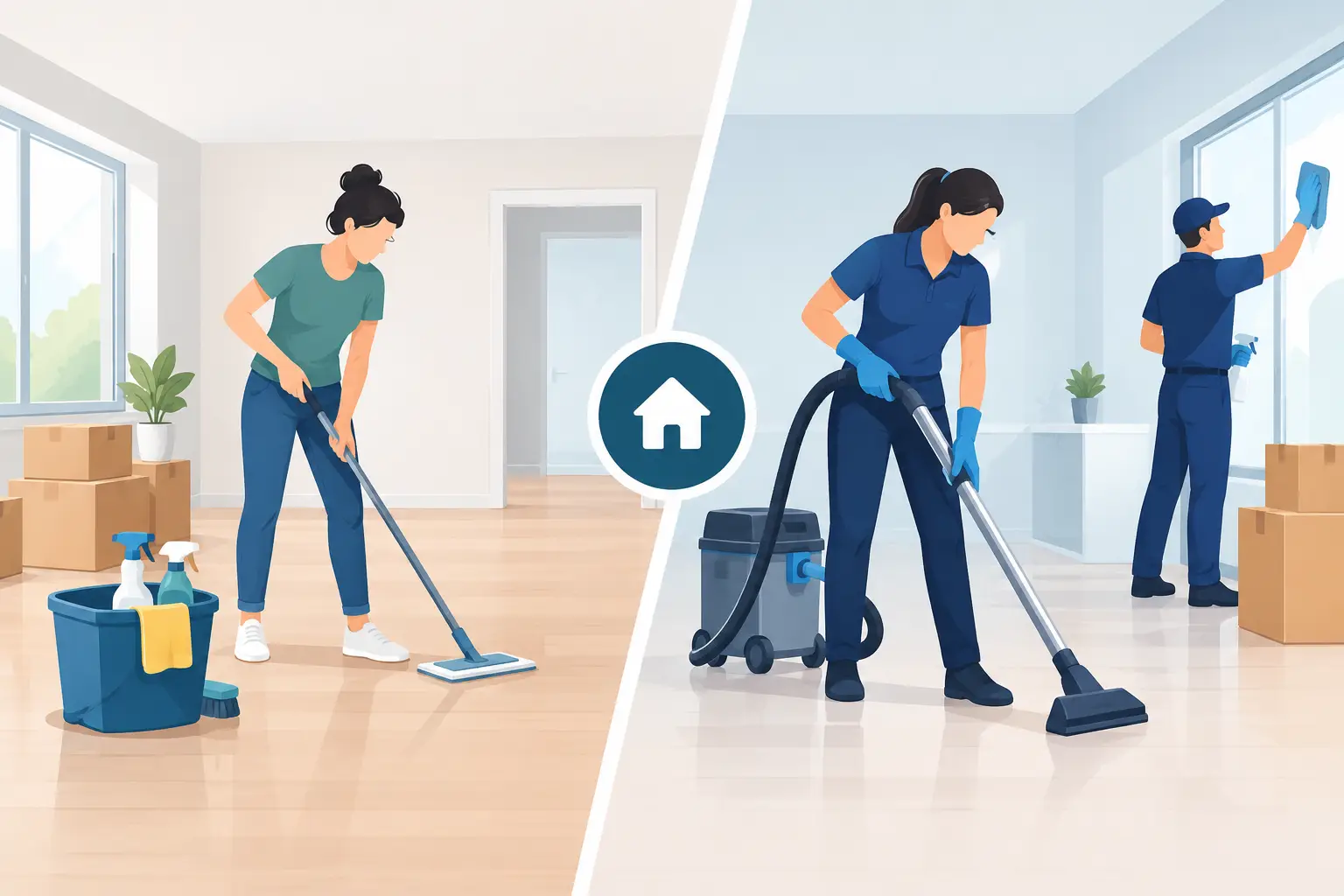
The keys are in your hand, boxes are waiting, and the removalists are booked. Yet before anything goes into a cupboard or wardrobe, there is one job that can shape how your new home feels from day one. This move-in cleaning comparison looks at the real choice between cleaning it yourself and booking professional help – including cost, time, standards and when each option makes sense.
A property can appear tidy at an inspection while still needing attention in the places that matter most: inside cabinets, around taps, beneath appliances, on skirting boards and in bathrooms. Moving house already creates enough decisions. Knowing the level of cleaning you need helps you start in a space that feels properly yours.
Move-in cleaning comparison: what are you really choosing?
This is not simply a choice between spending money or saving money. A DIY clean gives you direct control over every product and every surface, but it also takes time, energy and planning at one of the busiest points in a move. A professional clean trades some of that hands-on control for trained cleaners, equipment, an organised process and more room in your schedule.
The right option depends on the condition and size of the property, the time available before moving day, and your own expectations. A near-new apartment that has been well maintained may only require a focused clean. A family home that has been vacant, has undergone work, or has visible build-up in wet areas will usually need a more detailed approach.
It is also worth separating a move-in clean from a standard weekly tidy. Move-in cleaning is designed to reset an empty property. With cupboards and rooms clear, cleaners can reach areas that are normally hidden by furniture, stored items and daily life.
DIY move-in cleaning: more control, more commitment
Cleaning the property yourself can be a sensible choice when you have sufficient access before the move, the home is in good condition and you genuinely have time to do the work. It can also suit people who prefer to use particular products due to allergies, pets or personal preferences.
The advantage is visibility. You see every shelf, wipe every handle and can decide exactly how far to go. For some people, cleaning a new home is part of settling in. It creates a sense of ownership before the furniture arrives.
The challenge is that an empty home can take longer than expected. There are more exposed surfaces than you might notice during an inspection, and moving logistics have a way of shrinking the available hours. Collecting keys late, waiting on removalists, arranging utilities and unpacking essentials can quickly turn a planned six-hour clean into a rushed task after a long day.
What a thorough DIY clean involves
A proper DIY move-in clean typically means more than vacuuming and wiping benches. Kitchens need attention inside drawers and cupboards, around splashbacks, on rangehood filters and along appliance edges. Bathrooms may need descaling on taps and shower screens, plus cleaning around toilets, drains and exhaust fans.
Bedrooms and living areas call for dusting high and low, including light fittings, skirting boards, internal window ledges and wardrobe shelving. Floors should be vacuumed thoroughly before mopping, particularly along edges and in corners. If the property has carpet, stains, odours or a build-up of dust may require professional carpet cleaning rather than a domestic vacuum alone.
You will also need supplies ready before you start. That includes cloths, gloves, a quality vacuum, mop, bucket, suitable products for different surfaces, a scrub brush and rubbish bags. Buying missing items at the last minute can reduce any apparent saving.
Professional move-in cleaning: time back and a consistent standard
Professional move-in cleaning is often the better fit for busy households, renters moving on a fixed date, families managing children, or anyone entering a property that needs more than a surface refresh. A trained cleaning team works to a clear scope, follows an efficient room-by-room process and comes prepared for the job.
The central benefit is not simply that someone else cleans. It is the ability to arrive at a home that has been prepared for your belongings, while you focus on the practical demands of moving. That can mean collecting keys, supervising deliveries, updating your address or simply taking a breath before unpacking.
A professional service is especially valuable when you cannot inspect the property closely before move-in. This is common where settlement and access happen close together, or when relocating across Melbourne. Rather than hoping there is time to deal with unexpected grime, you can arrange cleaning as part of your moving plan.
What to expect from a professional service
The exact scope should always be confirmed before booking, as every property and service provider is different. A detailed move-in clean often covers kitchens, bathrooms, living spaces, bedrooms, visible fixtures, floors and accessible internal surfaces. Add-on services may be available for carpet cleaning, interior windows, curtains or post-renovation dust.
Clear communication matters. Let the cleaning provider know the property size, number of bathrooms, condition of the home, whether it will be empty, access arrangements and any priority areas. Photos can help where there is noticeable build-up, construction dust, pet hair or marks that need extra attention.
For many customers, trust is as important as the cleaning checklist. Look for a company with trained, vetted staff, straightforward booking, reliable communication and a service approach that respects your new home. House Cleaner provides this kind of practical support for customers who want an organised, dependable clean without adding another task to move day.
Comparing cost without overlooking your time
DIY cleaning usually has the lower upfront cost, particularly if you already own the necessary equipment and products. However, the true cost includes travel to buy supplies, possible equipment hire or replacement products, and the time required to clean to the standard you want.
Professional cleaning costs more upfront, but the value can be strong when it prevents a full weekend of work or reduces the pressure around a tight move. It can also be more economical than taking unpaid time off, paying for extra childcare, or delaying unpacking because the home is not ready.
Think about the work in practical terms. If a detailed clean will take two people most of a day, ask whether that is how you want to spend the final day before a move. There is no single right answer, but it is useful to compare the whole picture rather than the service quote alone.
A practical way to decide
Choose DIY if the property is already clean, you have at least a full day of uninterrupted access, and you are comfortable handling bathrooms, kitchen grease and floor care yourself. It is also a good fit if cleaning is a task you find satisfying rather than stressful.
Consider professional help if time is tight, the property has been vacant for a while, the previous clean is not up to your standard, or the home has several bedrooms and bathrooms. It is particularly helpful after renovations, where fine dust can settle in cupboards, tracks, ledges and vents long after the visible work is finished.
A combined approach can work well too. Book a professional clean for the deep work, then keep a small kit handy for a final wipe after trades, removalists or deliveries. This gives you both a thorough reset and the freedom to deal with any last-minute marks.
Do not leave the clean until after unpacking
Once furniture, boxes and appliances are in place, cleaning becomes slower and more difficult. Cupboards are full, floor edges disappear, and dusty areas behind whitegoods can wait far longer than intended. The best time to clean is when the property is empty and every surface is accessible.
If you are booking professional cleaning, arrange it after any repairs, painting or renovation work and before removalists arrive. If you are doing it yourself, start with high areas and cupboards, then work down to benches, fittings and floors. Keep one clean cloth and all-purpose spray aside for a final pass just before you bring belongings inside.
A move is a fresh start, but it should not begin with someone else’s dust in your drawers or stains on your shower screen. Whether you choose DIY effort, professional support or a little of both, make the cleaning decision early. A properly prepared home gives you one less thing to manage and a far better first night in your new space.
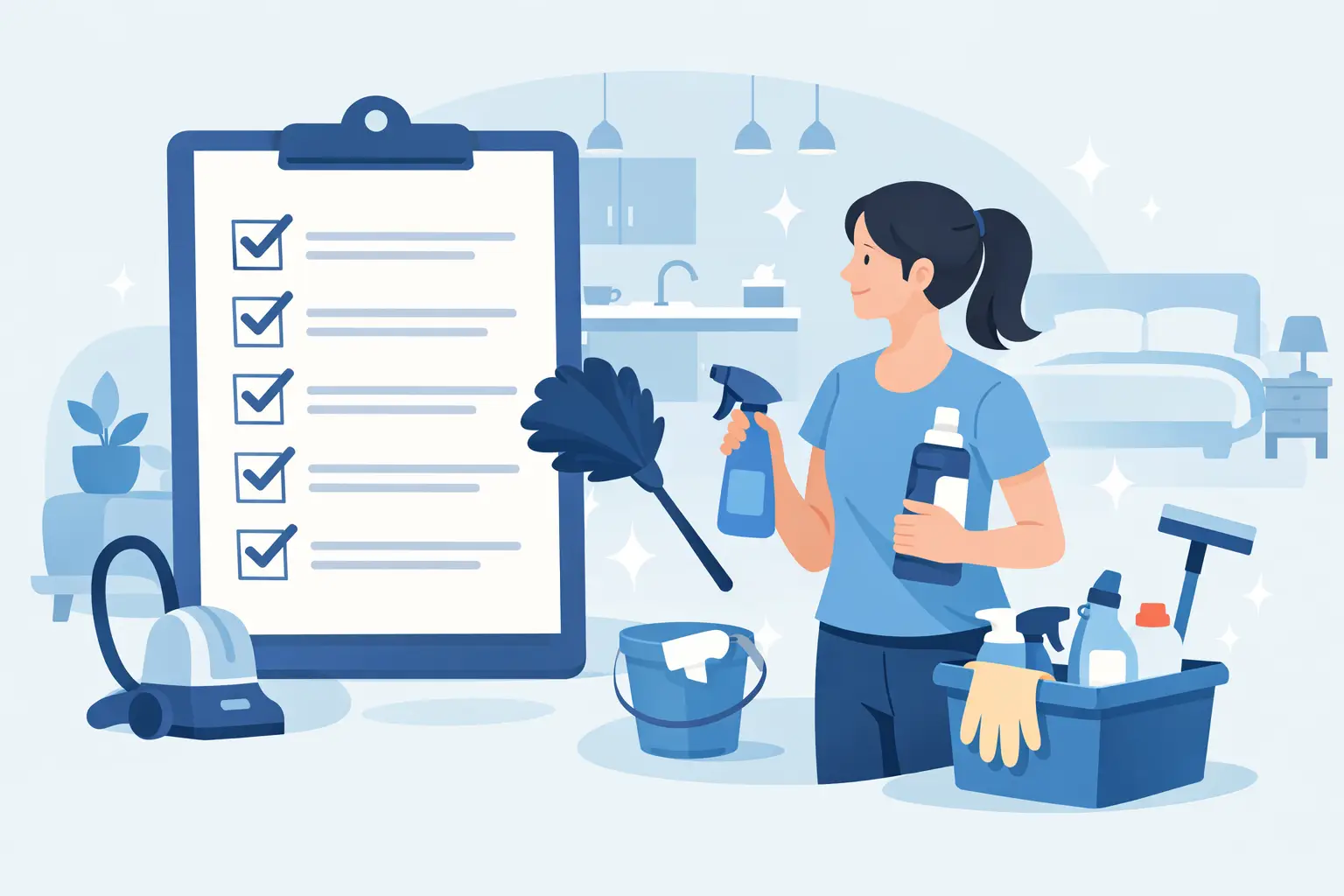
The first person to unlock your workplace should not have to start the day by wiping benches, emptying bins or wondering whether the bathroom has been cleaned. A clear commercial cleaning checklist turns cleaning from a last-minute job into a dependable routine that protects staff comfort, customer confidence and the condition of your premises.
The right schedule will look different for a quiet professional office, a busy retail space or a shared medical-style reception area. What matters is assigning the right tasks at the right frequency, then making sure the standard is consistently delivered.
Start with the areas people notice first
Cleaning priorities should reflect how your workplace is used. Entry points, reception desks, meeting rooms, kitchens and washrooms affect the first impression visitors take away. High-touch surfaces also need more regular attention than a storage room that is rarely opened.
Walk through the premises at the busiest point of a typical day. Look for the areas where rubbish gathers, floors become marked, fingerprints show, or supplies run low. This gives you a practical starting point for a schedule rather than relying on a generic task list.
It also helps to separate routine cleaning from periodic work. Daily cleaning keeps the workplace presentable and hygienic. Weekly and monthly work deals with detail, build-up and harder-to-reach areas that are easy to miss when a cleaner is working around staff and customers.
Daily commercial cleaning checklist
Daily tasks should focus on hygiene, presentation and the spaces used by multiple people. In a busy office or customer-facing business, these are the jobs that prevent a small issue from becoming a visible problem by the next morning.
Empty rubbish and recycling bins, replace liners where needed and remove waste from kitchen and bathroom areas.
Wipe and disinfect high-touch points, including door handles, light switches, lift buttons, shared desks, counters, tapware and appliance handles.
Clean and restock washrooms, including toilets, basins, mirrors, soap, toilet paper and hand towels or hand-dryer areas.
Wipe kitchen benches, tables, sinks and splashbacks, clean the microwave if required, and leave communal spaces tidy for the next day.
Vacuum carpets and mats in high-traffic areas, then mop hard floors with a suitable product for the surface.
A daily checklist should also include a quick visual inspection. Are the windows at the entrance marked with fingerprints? Is the reception area orderly? Are there spills, stains or odours that need attention? These checks take little time but make the difference between a workplace that looks maintained and one that feels neglected.
For businesses with staggered hours, daily cleaning may need to happen before opening, after closing or in quieter periods. The best timing is the one that allows cleaners to work thoroughly without disrupting your team or customers.
Weekly tasks that keep standards from slipping
Weekly cleaning goes beyond the obvious surfaces. It is where your cleaner can address dust, detail work and areas that need more time than a daily visit allows.
Dust desks, shelves, skirting boards, window ledges and accessible vents. Clean interior glass, spot-clean walls and remove marks around switches, door frames and corridors. Meeting rooms should receive particular attention, as they often host clients and can quickly collect fingerprints, food crumbs and coffee spills.
Kitchen cleaning should include the exterior of cupboards and larger appliances, along with a more careful clean of the fridge, dishwasher and rubbish bin surrounds. If staff bring lunches to work, set a clear rule about food left in shared fridges. A cleaning team can clean the appliance, but removing old food is usually best handled by the workplace manager before the service.
Weekly floor care depends on the material. Carpets may need spot treatment in addition to vacuuming, while vinyl, tiles and sealed timber need the correct cleaning method to avoid dullness or residue. Using a product that is too harsh can cause problems over time, especially on specialised commercial flooring.
Monthly and periodic cleaning tasks
Some jobs do not belong on a daily or weekly roster, but they should not be forgotten. Monthly cleaning gives your premises a more complete reset and helps preserve fittings, floors and furnishings.
Include deep cleaning of bathrooms, detailed dusting behind accessible furniture, cleaning of internal window frames and ledges, and a careful review of corners, edges and low-traffic rooms. Upholstered chairs, fabric partitions and carpeted areas may need vacuuming with suitable equipment or occasional professional carpet cleaning, depending on use.
Windows are another example of a task that depends on the site. Internal glass in a reception area may need weekly attention, while external window cleaning may be scheduled monthly, quarterly or more often in locations exposed to dust, rain marks or heavy foot traffic. A street-facing shopfront generally needs a more frequent service than upper-level office windows.
Seasonal checks are worthwhile too. Before a busy trading period, staff event or office move, arrange a deeper clean that covers areas normally worked around. After renovations, a standard maintenance clean is rarely enough. Fine construction dust, adhesive residue and paint splashes need an after-renovation cleaning plan and the right equipment.
Make responsibilities clear
A checklist only works when everyone understands who is responsible for each item. Your cleaning provider can manage scheduled tasks, but staff still need to keep personal desks clear enough to clean and report spills or maintenance issues promptly.
Create a simple scope that lists the areas covered, the cleaning frequency and any exclusions. For example, cleaners may wipe desk surfaces only where paperwork and personal belongings have been removed. They may restock client-supplied consumables, while your business remains responsible for ordering them. Clear boundaries prevent disappointment and make service quality easier to review.
It is also sensible to nominate one contact person. They can communicate access arrangements, report changes to operating hours and raise any concerns quickly. This is especially useful for recurring cleaning, where a consistent cleaner or team learns the layout, preferences and priorities of your workplace over time.
Choose the right frequency for your premises
There is no single schedule that suits every business. A small office with five staff may be well served by a fortnightly clean, provided the team manages bins and kitchen mess between visits. A larger office, retail location or shared workplace may need daily service to keep washrooms, floors and common areas at an acceptable standard.
Consider the number of people using the space, the volume of visitors, the type of work performed and the expectations attached to your brand. A client-facing financial office may prioritise spotless reception areas and meeting rooms. A warehouse office may need more attention around entryways and dust control. Businesses with food preparation, vulnerable clients or stricter industry requirements should seek advice on their particular cleaning and hygiene obligations.
Cost matters, but the cheapest schedule is not always the most practical. Cutting a visit may save money in the short term, yet lead to stained carpets, worn floors, staff complaints or a poor customer impression later. The aim is a service plan that matches real use, not one that pays for unnecessary tasks.
Check quality without micromanaging
A dependable cleaning service should make your workplace easier to run, not create another job for your manager. Use a short quality check after the first few visits and whenever the scope changes. Focus on outcomes: clean washrooms, tidy kitchens, clear floors, fresh presentation and supplies where they should be.
If something is missed, report it early and specifically. A note such as “the meeting-room glass is still marked” is far more useful than “the clean was not right”. Good communication gives the cleaning team a fair chance to correct the issue and adjust the checklist for future visits.
At House Cleaner, trained and vetted cleaners can help businesses establish a recurring plan around their operating hours, workplace layout and cleaning priorities. Consistency is particularly valuable when customers and staff rely on the same standard every week.
A workplace does not need to look like a showroom. It simply needs to feel clean, cared for and ready for the people who rely on it. Review your checklist whenever your team, premises or trading hours change, and let the schedule do the quiet work of keeping standards high.
A clean home does not need to take over your weekend. The right weekly house cleaning checklist focuses on the jobs that make the biggest difference to how your home looks, feels and functions – without turning every Saturday into a full-day cleaning session.
For busy families, professionals, renters and apartment residents, the goal is not perfection. It is a reliable routine that keeps mess from building up, makes weekdays easier and leaves your home ready for visitors without a last-minute rush. Adjust this checklist to suit the size of your household, pets, children and how often each room is used.
Start with a realistic weekly routine
Weekly cleaning works best when it is built around maintenance, not deep cleaning. You are clearing the everyday dust, crumbs, soap residue and clutter that can quickly make a tidy home feel untidy. Jobs such as cleaning inside the oven, washing curtains or moving heavy furniture belong on a less frequent schedule or can be handled as part of a professional deep clean.
Before you begin, do a quick reset. Put away clean laundry, return cups and plates to the kitchen, clear benches and collect rubbish. This takes only a few minutes, but it means you can clean surfaces properly instead of working around clutter.
A practical weekly clean usually takes one to three hours, depending on the home. A compact apartment may be finished in an hour, while a busy family house with multiple bathrooms may need more time. Splitting the work across two short sessions is often easier than trying to complete everything at once.
Your weekly house cleaning checklist
Work from the top of each room to the bottom. Dust and crumbs naturally fall as you clean, so leaving floors until last prevents you from doing the same job twice. Bring a caddy with microfibre cloths, an all-purpose cleaner, bathroom cleaner, glass cleaner, bin liners and a vacuum attachment so you are not constantly walking back and forth for supplies.
Kitchen
The kitchen gets the most daily use, which is why a weekly refresh is essential. Start by clearing and wiping benches, including the areas around the kettle, toaster and other small appliances. Clean the stovetop and splashback, paying attention to grease around knobs and edges.
Then clean the sink and taps, wipe cupboard fronts where fingerprints or food marks show, and wipe the outside of the fridge, dishwasher and microwave. Empty the rubbish and recycling bins, replacing liners if needed. Finish by vacuuming or sweeping the floor, then mop it with a cleaner suitable for your flooring.
If your fridge is busy with leftovers and half-used ingredients, take two minutes to check dates and dispose of anything past its best. It is a small habit that reduces odours and makes meal planning easier.
Bathrooms and toilets
Bathrooms need regular attention because moisture allows soap scum, mould and grime to develop quickly. Spray the shower, bath, basin and toilet first, then let the product sit while you complete another quick task. This gives the cleaner time to work and reduces hard scrubbing.
Wipe mirrors, clean the basin and taps, scrub the toilet inside and out, and rinse the shower or bath thoroughly. Pay close attention to the shower screen and tiles, particularly in homes with hard water. Replace used hand towels, empty the bathroom bin and top up toilet paper and hand soap.
Mop the bathroom floor last. If anyone in the household has been unwell, use separate cloths for the toilet area and wash them straight after use. Good cleaning is not only about appearance – it also supports a healthier home.
Bedrooms
A calm bedroom is easier to maintain than a room full of clothes, charging cables and unfinished laundry. Make the bed, put clothing away and clear bedside tables. Dust visible surfaces, including lamps, skirting boards and window sills, then vacuum the floor or rug.
Change bed linen weekly for most households. More frequent changes can make sense during hot weather, when someone is sick, or if pets sleep on the bed. Do not forget to vacuum beneath the bed if dust gathers there easily.
Living areas and entryways
In living rooms, start by removing mugs, plates, toys, paperwork and other items that have migrated from their usual place. Dust tables, shelves, TV units and decorative items, then wipe high-touch areas such as remote controls, light switches and door handles.
Vacuum upholstered furniture and cushions, especially if you have pets or young children. Straighten throws, fluff cushions and vacuum floors, including along skirting boards and under furniture where practical. In the entryway, shake out mats, wipe the front door area and clear shoes or bags that create a trip hazard.
These small details make a home feel cared for. They also help reduce the amount of dust and dirt tracked through the rest of the house.
Floors throughout the home
Floors are the final step in most rooms. Vacuum carpets and rugs slowly enough for the machine to lift dirt rather than simply passing over the surface. Use the crevice tool around edges, under sofa cushions and in corners where dust collects.
For hard floors, sweep or vacuum first, then mop using a product suitable for timber, tiles, vinyl or laminate. Avoid soaking timber and laminate floors, as excess water can cause damage. A lightly damp mop is usually enough for a fresh, clean finish.
Jobs worth adding when needed
Some tasks do not need to happen every week, but ignoring them for too long makes the regular clean harder. Rotate one or two of these jobs into your routine when you have time:
Wipe inside the microwave and clean the dishwasher filter.
Dust ceiling fans, air-conditioning vents and blinds.
Clean interior windows and glass doors, especially where children or pets leave marks.
Vacuum under larger furniture and spot-clean carpet spills.
Wipe light switches, door frames and skirting boards.
Clean the laundry sink, washing machine drawer and lint filter.
This approach prevents a long list of neglected tasks from becoming an overwhelming annual project. If you have recently renovated, moved home or fallen behind after a particularly busy period, a one-off deep clean can provide a useful reset before you return to weekly maintenance.
Make the checklist fit your household
The most effective routine is the one you will actually keep. A household with two adults who are rarely home will have very different needs from a family with children, a shedding dog and multiple bathrooms. Prioritise the rooms that affect your daily comfort first – usually the kitchen, bathrooms, floors and living spaces.
You can also share the work. One person can manage bathrooms while another vacuums and mops, or each household member can take responsibility for their own bedroom. Setting a simple 20-minute timer can make the work feel more manageable and stops cleaning from expanding into the whole day.
For renters, include a quick check of marks on walls, shower screens and kitchen surfaces before they become difficult to remove. Regular care protects the condition of the property and can make the eventual move-out clean far less demanding.
When recurring professional cleaning makes sense
A checklist is valuable even when you use a cleaner. It helps everyone understand what matters most in your home and keeps expectations clear. However, there are times when professional support is the practical choice.
Weekly or fortnightly cleaning can be particularly helpful for households balancing work, children, caring responsibilities or a long commute. It can also suit property managers, busy apartment residents and anyone who wants the consistency of a trained, vetted cleaner without giving up their limited free time.
A recurring service should make life simpler, not create more administration. House Cleaner provides dependable residential cleaning with caring teams and a consistent service approach, so regular cleaning can become one less thing to manage. You may still choose to handle small daily resets yourself, while leaving bathrooms, floors and detailed surface cleaning to a professional.
Keep your home ready between cleans
The secret to a home that stays fresh is not cleaning constantly. It is preventing small messes from becoming bigger jobs. Wipe kitchen spills as they happen, rinse the shower after use, run the dishwasher regularly and take rubbish out before bins overflow. A five-minute evening reset can save an hour of weekend work.
Put your checklist somewhere visible and treat it as a guide, not a test. Some weeks will be busier than others. When time is short, clean the spaces that support your next day: a clear kitchen bench, a hygienic bathroom and floors free of crumbs. That is often more than enough to make home feel like the place where you can properly switch off.
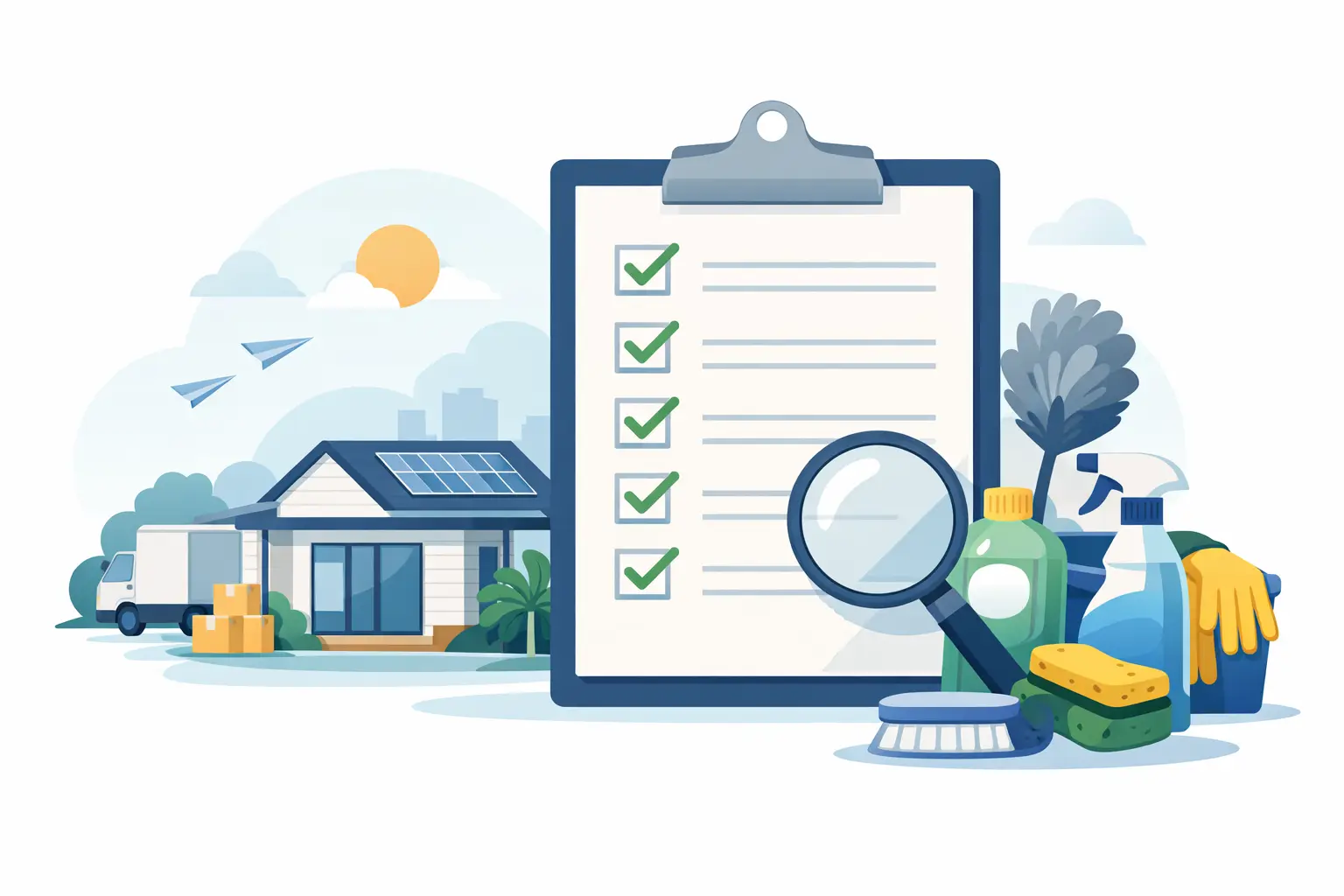
The keys are nearly back, the removal boxes are stacked by the door, and the final inspection is approaching. That is when small details suddenly matter: grease behind the cooktop knobs, dust in wardrobe tracks and marks on the shower screen. This best move out cleaning checklist helps Australian tenants leave a rental in a condition that supports a smooth handover and gives property managers fewer reasons to raise cleaning concerns.
A move-out clean is not the same as a quick weekly tidy. The aim is to return the property to the standard recorded on your original condition report, allowing for fair wear and tear. Read that report before you begin, along with any cleaning instructions supplied by your agent. Requirements vary between properties, particularly where there are carpets, outdoor areas, furnished inclusions or pets.
Start with a realistic move-out plan
Cleaning an empty home is easier, but it still takes longer than most people expect. Book your removalist first, then allow enough time to clean after furniture is gone. Empty rooms reveal dust lines, scuff marks and crumbs that were previously hidden.
Before cleaning, walk through the home with your entry condition report and take current photos. This gives you a clear record of the property’s state and helps you focus on areas that need attention. Put aside rubbish bags, a vacuum with attachments, microfiber cloths, a mop, bucket, glass cleaner, degreaser, bathroom cleaner and a non-abrasive scourer.
Avoid using harsh products on surfaces you are unsure about. A strong cleaner may remove a stain, but it can also damage stone benchtops, timber finishes, painted walls or delicate appliances. Test a small hidden patch first and follow the manufacturer’s instructions where available.
Best move out cleaning checklist: room by room
Work from high to low in every room. Start with cobwebs, ceiling fans and high ledges, then clean walls and surfaces before vacuuming and mopping the floor. This prevents you from redoing work as dust falls.
Kitchen
The kitchen is often the most closely inspected room because cooking residue builds up in places that are easy to miss. Remove all food from cupboards, drawers, the fridge and pantry. Wipe each interior surface, including handles, hinges and drawer runners.
Pay close attention to the oven, grill and cooktop. Clean baked-on residue from trays and racks, wipe the rangehood exterior and filters if they are removable, and clean around burners and control knobs. Pull out the fridge, if it is safe to do so, to vacuum and mop beneath it. Defrost and dry the freezer, then leave appliance doors slightly open if instructed by your agent.
Finish by cleaning the sink, taps, splashback, benchtops and inside the dishwasher or microwave where applicable. Do not forget the kickboards, light switches and the top of tall cupboards.
Bathrooms, toilets and laundry
Bathrooms need a thorough clean, not a cover-up with fragrance. Remove hair from drains and clean the basin, taps, vanity, mirror, shower recess, bath and toilet inside and out. Treat soap scum and water marks on shower glass carefully, using a product that suits the surface.
Wipe inside vanity cupboards and drawers, clean exhaust fan covers if they are accessible, and dust vents. In the laundry, clear the lint filter, wipe the washing machine and dryer exterior, clean the tub and check behind appliances for dust or lost items. Mop floors last, including around the toilet base and behind doors.
Mould is a separate issue worth handling early. Minor surface mould may respond to an appropriate mould cleaner and ventilation, but heavy or recurring mould can point to a maintenance problem. Photograph it and notify the property manager rather than risking damage or assuming it is solely your responsibility.
Bedrooms, living areas and hallways
Empty every wardrobe, cupboard, shelf and drawer. Vacuum inside wardrobes, especially along runners and corners, then wipe surfaces with a lightly damp cloth. Dust skirting boards, door frames, blinds, window sills, light fittings and ceiling fans.
Check walls in natural light. Small marks can often be lifted with a gentle wipe, but aggressive scrubbing can remove paint. Scuffs, picture-hook holes and accidental damage should be assessed against your tenancy agreement and condition report. Fair wear and tear is not the same as damage, so do not make repairs that may worsen the issue without speaking to the agent.
Vacuum carpet slowly in more than one direction, including edges and under built-in storage. If your agreement requires professional carpet cleaning, arrange it in time to receive the invoice before handover. Keep in mind that steam cleaning is not automatically required for every tenancy. Follow the agreement, local tenancy requirements and the property manager’s reasonable instructions.
Windows, doors and outdoor spaces
Clean windows from the inside, including tracks, sills and flyscreens. Exterior window cleaning may depend on safe access, apartment rules and the height of the property. Never take risks on ladders or high windows just to complete a checklist.
Wipe front and back doors, handles, switches and any visible marks around entryways. Sweep balconies, patios, garages and paths, remove cobwebs and take all personal items and rubbish with you. If the property has a garden, mow, weed or tidy it only to the level required under your lease. Larger garden maintenance may be the owner’s responsibility, especially in a strata or managed complex.
The details that are easy to overlook
A final walk-through catches the small jobs that can affect the overall presentation of the home. Once the major cleaning is complete, use this quick check before you leave:
Empty every bin, including bathroom, kitchen, balcony and garage bins.
Check cupboards, shelves, letterboxes and the clothesline for belongings.
Wipe light switches, power points, door handles and remote controls.
Vacuum wardrobe tracks, window tracks and behind internal doors.
Remove hooks, tape and adhesive only when it can be done without damage.
Take final photos of each room, appliances, metres and outdoor areas.
Return all keys, fobs, remotes and garage passes as instructed.
If a cleaner, carpet technician or rubbish removal service has attended, save the invoices and receipts. They can be useful if there is a question about work completed after you have returned the keys.
When professional move-out cleaning makes sense
Doing the clean yourself can save money, particularly in a small, well-maintained apartment with enough time before the inspection. It may be less practical when you are managing work, children, a long-distance move or a large home with ovens, carpets, windows and outdoor areas to address.
Professional cleaning can also be a sensible choice when the property needs detailed attention after years of tenancy. A trained team brings the equipment, products and method needed for a consistent result, while giving you time to manage utilities, moving logistics and your new home. It does not replace your responsibility for damage, rubbish or items left behind, but it can remove a major source of moving-day pressure.
House Cleaner provides move-in and move-out cleaning support for tenants, homeowners and property managers who want dependable help at a busy time. A clear scope of work matters, so make sure the service is matched to the property’s size, condition and any extras such as carpet, window or oven cleaning.
Leave the property ready for inspection
On the day you hand over, open blinds, switch on lights and do one last slow walk through every room. Look at the home as someone seeing it for the first time: are the floors free of debris, are appliances empty, are surfaces dry and are personal items gone?
The best result is not a rushed, perfect-looking clean in one room and missed details elsewhere. It is a clean, cared-for property that reflects the condition report, respects the next occupant and lets you close the door on your move with confidence.