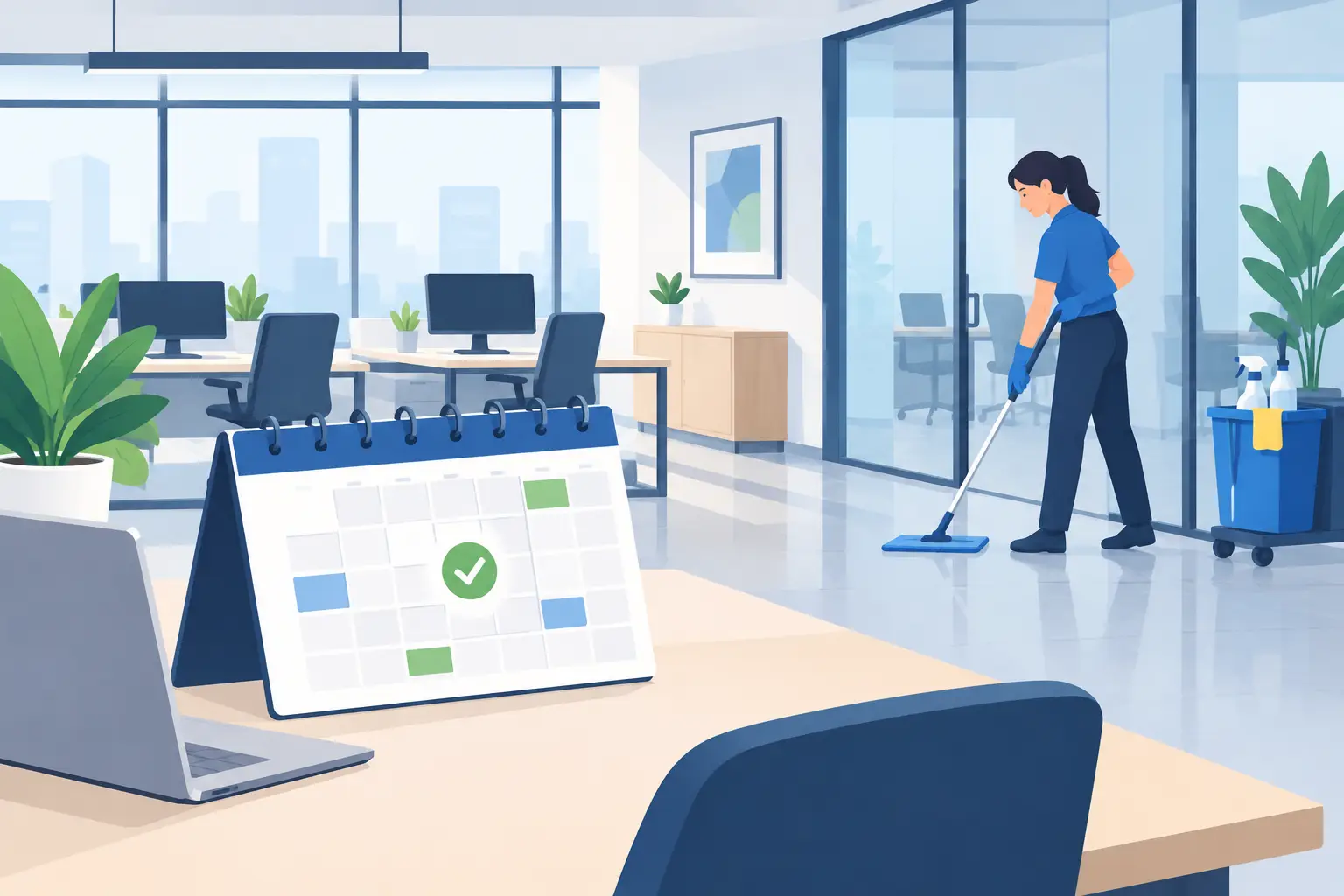
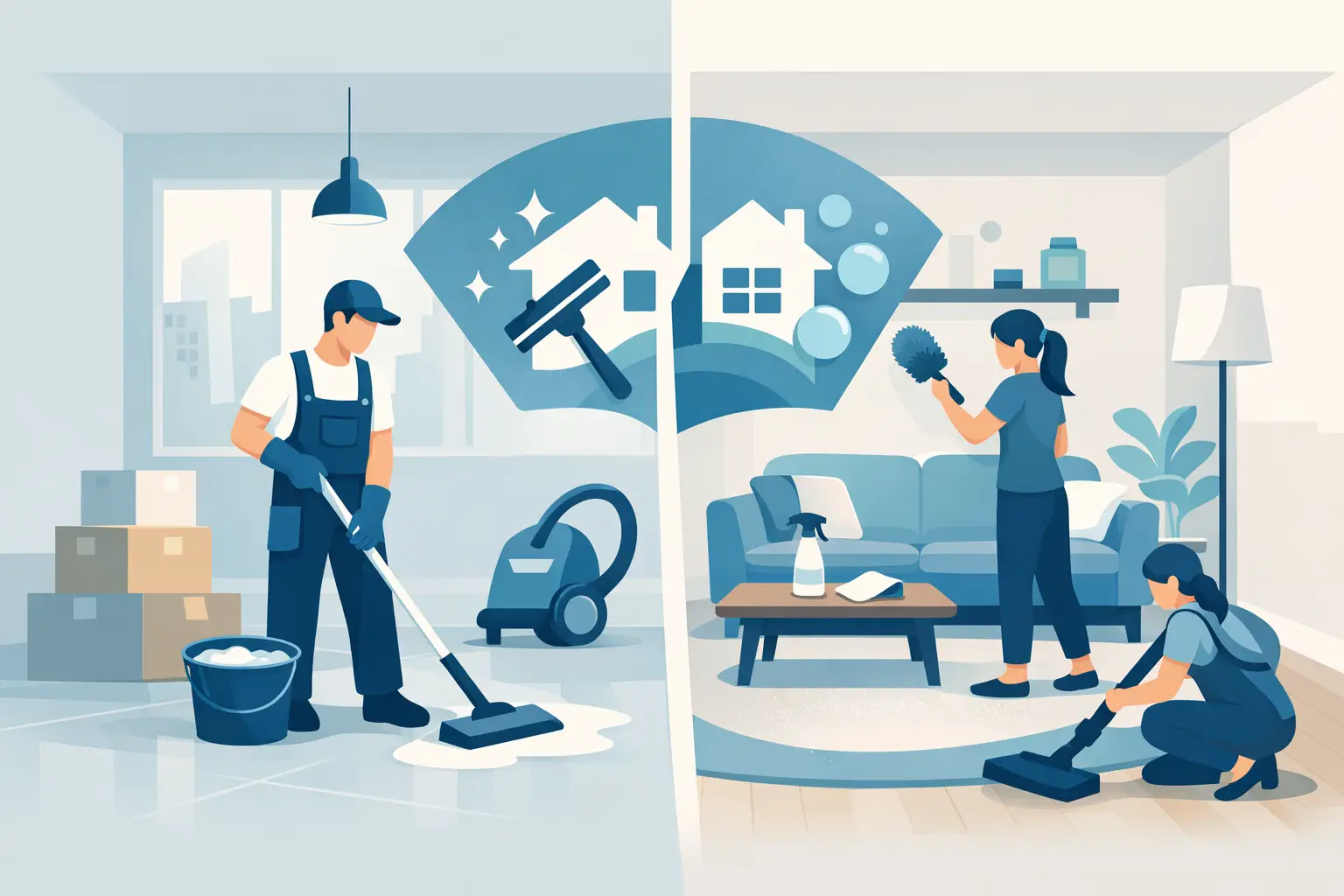
A clean kitchen on Monday morning feels very different when it did not cost you half of Sunday to get there. Learning how to schedule recurring cleaning is less about filling a calendar slot and more about setting up dependable support that suits your household, budget and routine.
Whether you live in a busy family home, a compact apartment or a rental property, the right recurring arrangement removes the pressure of waiting until the mess becomes overwhelming. Here is how to create a cleaning schedule that feels practical from the first visit onwards.
Start with the cleaning frequency that fits your life
Most homes benefit from either weekly or fortnightly cleaning. The best choice depends on how quickly your home gets used, how much cleaning you want to manage yourself, and which rooms need the most regular attention.
Weekly cleaning often works well for families with children, pet owners, people who work from home, and households that entertain regularly. Kitchens, bathrooms and floors receive frequent use, so a weekly visit keeps dirt, dust and clutter from building up. It can also make the home easier to maintain between appointments, as there is less to catch up on.
Fortnightly cleaning is a popular option for couples, smaller households and busy professionals who can manage light tasks between visits. It provides a reliable reset without the cost of a weekly service. You may still wipe benches, do the dishes or run a quick vacuum when needed, but the deeper routine is handled for you.
There is no rule that says you must commit to one frequency forever. A household may need weekly visits during school terms, after a new baby arrives or while work is particularly demanding, then move to fortnightly cleaning later. A flexible service arrangement gives you room to make those changes.
How to schedule recurring cleaning around your routine
The most useful appointment time is one you will not need to keep moving. Before booking, look at the rhythm of a normal week rather than an ideal one. Consider school drop-offs, work meetings, sport, delivery windows, visitors and the times your household is usually out.
Many customers choose a weekday while they are at work or away from home. Returning to a freshly cleaned space can make the service feel even more valuable, and it reduces interruptions during the visit. Others prefer a day when someone is home, especially for the first appointment or where access arrangements are not yet established.
Try to schedule your cleaning before the point in the week when the house usually feels hardest to manage. For example, a Thursday or Friday visit can prepare the home for a busy weekend, while a Monday clean can reset the house after family activities and entertaining. Neither option is better in every case. The right day is the one that prevents cleaning from becoming another weekend job.
Once you have selected a time, treat it as a standing appointment. Consistency makes it easier for the cleaning team to plan and helps your home receive regular care at the right interval.
Plan access before the first visit
Reliable access is what keeps a recurring schedule running smoothly. If you will not be home, decide how the cleaner will enter and leave securely. This may involve a key safe, building concierge, lockbox or another agreed arrangement.
For apartments, check parking availability, lift access and visitor requirements in advance. For homes with pets, let the team know whether animals will be indoors, in the yard or need particular care around doors and gates. Clear instructions at the beginning prevent small problems from disrupting future appointments.
Set the scope before making it recurring
A recurring clean works best when everyone understands what is included. Your first visit may take longer than later appointments, particularly if the home has not been professionally cleaned recently. Think of it as establishing a clean baseline. After that, regular visits can focus on maintaining the areas that matter most.
For many homes, the regular scope includes bathrooms, kitchen surfaces, dusting, vacuuming, mopping and general tidy-up of accessible areas. You may also want attention given to high-touch points such as handles and switches, particularly in a busy household or workplace.
Be clear about the tasks that need extra time or are not required every visit. Interior oven cleaning, inside cupboards, windows, carpet cleaning, curtains and post-renovation work are often better planned separately. Adding every possible task to a weekly appointment can increase the cost and make the visit longer than necessary. A better approach is to keep the recurring service focused, then book occasional extras when they genuinely add value.
Make a short list of priorities
You do not need a detailed room-by-room manual, but a few practical notes are helpful. Let your cleaner know if one bathroom gets the most use, if a particular room is off limits, or if you would rather have floors prioritised over dusting in a specific area.
This is especially useful in homes where the weekly needs change. During winter, muddy floors may need more attention. Before guests arrive, you may want living areas and bathrooms prioritised. A caring cleaning team can work more effectively when they understand what makes the biggest difference to you.
Prepare the home without doing the cleaner’s job
You should not have to clean before your cleaner arrives. However, a quick reset helps them spend their time on cleaning rather than moving piles of belongings. Put away laundry, paperwork, toys and personal items from the surfaces or floors you want cleaned.
This is not about presenting a perfect home. It is about making your paid time count. If you would like beds made, leave fresh linen out. If there are fragile objects, medications or confidential documents, store them safely before the appointment.
For office cleaning, the same principle applies. Staff should clear desks where possible, secure sensitive information and flag any areas that need special attention. Small preparations help deliver a more consistent result each visit.
Choose consistency over constantly changing providers
Recurring cleaning is built on familiarity. When the same cleaner returns, they learn your preferences, understand the layout of the property and know where to focus. That can mean less explaining, fewer missed details and a service that feels more personal over time.
Trust matters just as much. You are giving someone access to your home or workplace, so look for a provider that uses trained, vetted and background-checked cleaners. Straightforward online booking and payment also make recurring service easier to manage, particularly when life is already busy.
At House Cleaner, repeat customers can request the same cleaner for ongoing visits, helping create the continuity many households want. It is a simple detail, but it can make a major difference to confidence and service quality.
Build in a simple communication routine
Even the best regular schedule benefits from the occasional check-in. Let your cleaning provider know early if you need to skip, reschedule or add time for a special occasion. Advance notice gives you the best chance of keeping a preferred day and cleaner.
You may also want to reassess the arrangement after the first few visits. Is the frequency right? Are the priorities working? Has your household changed? A new pet, changed work hours, house guests or a move can all affect what you need from your cleaning service.
If something is not quite right, raise it promptly and clearly. Good providers welcome feedback because it helps them tailor the service to your needs. The goal is not a rigid checklist. It is a dependable arrangement that keeps your space comfortable without adding another task to your week.
Keep the schedule realistic for the long term
The cheapest option is not always the best value if it leaves you doing regular catch-up cleaning. Equally, paying for weekly visits when fortnightly service would comfortably meet your needs may not make sense. Consider the time you regain, the level of cleanliness you want to maintain and how much stress the arrangement removes.
A recurring clean should feel like practical support, not another commitment to manage. Choose a frequency you can sustain, a time that suits your routine and a provider you feel comfortable contacting. Once those pieces are in place, the house stays under control and your weekends can belong to you again.
A cleaner home or workplace should not require a string of phone calls during your lunch break. Digital booking for cleaning services gives busy households, tenants and business owners a practical way to arrange help when it suits them, with the details recorded clearly from the beginning.
For many people, the real benefit is not simply booking online. It is knowing what has been requested, when the cleaner is due to arrive, what the service includes and how an ongoing schedule will work. That clarity matters when you are handing over the care of your home, rental property or office to someone else.
Why digital booking for cleaning services matters
Cleaning needs are often time-sensitive. A tenant may need an end-of-lease clean before keys are returned. A family may need regular help after a change in work hours. A property manager may be preparing an apartment for new occupants, while an office manager needs cleaning arranged outside business hours.
An online booking process gives customers the freedom to make arrangements outside standard office hours. You can review service options, nominate preferred times and provide useful information without trying to remember every detail on a call. It also reduces the risk of misunderstandings about the property, the required clean or the frequency of visits.
For recurring clients, digital booking can be especially useful. Weekly or fortnightly cleaning is easier to manage when the agreed schedule, service requirements and contact details are all kept in one organised process. Rather than restarting the conversation every time, customers can build a dependable routine around their household or workplace.
That said, online convenience should not replace genuine support. Some jobs need a discussion before they can be priced or scheduled properly. After-renovation cleaning, large commercial premises and heavily soiled carpets can require more detail than a standard booking form can capture. A good cleaning provider makes digital booking straightforward while still being available to clarify the work.
Start with the right type of clean
The fastest booking is not always the best booking if the service does not match the job. Before choosing a date, consider why you need cleaning and what condition the space is in.
A general house clean is often suitable for ongoing care of kitchens, bathrooms, living areas and bedrooms. It works well for busy professionals, families and apartment residents who want the home kept at a comfortable standard. A deeper clean may be more appropriate if regular cleaning has been missed, guests are arriving or the property needs extra attention in neglected areas.
Move-in and move-out cleaning is different again. Renters and landlords usually need a more detailed service focused on preparing the property for its next stage. Window cleaning, carpet cleaning and curtain cleaning may also need to be added depending on the condition of the home and the expectations of the lease or property manager.
For workplaces, booking needs are often shaped by access, staff numbers and operating hours. A small office may need regular cleaning of bathrooms, kitchens, desks and common areas. A larger commercial space may require a tailored scope, a specific cleaning window and clearer site instructions. Providing this information early helps the cleaning team arrive prepared.
What to include when booking online
A useful digital booking system should ask for enough information to support a reliable service, without making the process feel like paperwork. The details you provide help the cleaning team plan the right amount of time, bring appropriate equipment and allocate trained staff.
Be clear about the size and type of property. The number of bedrooms, bathrooms, workstations or common areas makes a real difference to the time required. Include the areas that matter most to you, such as shower screens, kitchen appliances, internal windows, carpeted rooms or high-traffic entryways.
Access instructions are equally important. Let the provider know whether someone will be home, whether keys need to be collected, if there is building access or parking information, and whether there are any pets on site. In Melbourne apartment buildings and busy commercial locations, these practical details can prevent avoidable delays.
It also helps to flag anything unusual. This could include renovation dust, mould concerns, heavy build-up in a bathroom, fragile surfaces or rooms that should not be entered. Being upfront does not make the job harder to book. It allows the cleaner to arrive with realistic expectations and the right approach.
Trust should be built into the process
Booking online is convenient, but customers should never feel they are booking into the unknown. Cleaning is a personal service. Cleaners may be working in private homes, around family routines, or in offices containing equipment and documents. Trust needs to be visible in the way a company operates.
Look for clear information about trained, vetted and background-checked cleaners. A professional provider should also explain how payment is handled, what happens if you need to change an appointment and how concerns are managed. These details are not small print when someone is entering your property. They are part of the service promise.
Consistency matters most with recurring cleaning. Many customers prefer the same cleaner for repeat visits because that person becomes familiar with the home, priorities and preferred finish. It saves time, creates confidence and means you do not need to explain the same requests at every appointment.
At House Cleaner, that ongoing relationship is treated as part of reliable service, not an afterthought. The aim is to provide a caring cleaning team that understands your needs and helps make regular cleaning feel less like another task to manage.
Digital payment brings clarity too
Online payment is another practical benefit when it is handled clearly. Customers can confirm how the service will be paid for, avoid searching for cash on the day and keep a record of the booking. For business clients and property managers, this can also make administration simpler when several properties or regular appointments are involved.
The key is transparency. Before confirming, you should understand what the quoted service covers, whether specialist work has been included and how changes may affect the price. Carpet cleaning or external window cleaning, for example, may be priced differently from a standard house clean. A clear booking process makes these distinctions easier to see before the appointment is locked in.
Make recurring cleaning work around real life
A recurring clean should fit your routine, not create another obligation. Weekly cleaning can be a sensible choice for busy family homes, shared households, high-use offices or properties with pets. Fortnightly visits may suit smaller homes, couples who are often away, or customers who maintain the home between appointments.
There is no single right frequency. It depends on the number of people using the space, how much time you have, the type of cleaning required and the standard you want to maintain. Starting fortnightly and adjusting after a few visits is often a sensible approach.
When booking regular cleaning, set priorities from the outset. You may want bathrooms and floors completed every visit, while internal windows, oven cleaning or skirting boards are addressed less often. A dependable cleaning team can work with those preferences so the service stays useful rather than becoming a rigid checklist.
A better booking experience starts with clear expectations
Digital booking works best when both sides have a shared understanding of the job. Customers should be able to choose a suitable service, enter accurate details, arrange a time and feel confident about who will be coming to their property. In return, the cleaning provider should communicate clearly, respect access arrangements and deliver the standard that was promised.
Whether you are preparing for a move, trying to keep on top of a busy household or organising regular office cleaning, a well-planned booking is the first step towards less stress. Take a moment to describe what you need properly, then let a trusted cleaning team take the work off your hands.
The best office cleaning schedule is usually the one no one notices. Rubbish is removed before it overflows, bathrooms are fresh at the start of the day, and desks, floors and shared spaces stay presentable without interrupting your team. Knowing how to schedule office cleaning means balancing hygiene, budget, building access and the way your workplace actually operates.
For a small office, a regular evening clean may be all that is needed. A busy workplace with client traffic, shared kitchens and multiple bathrooms may need several visits a week, plus occasional deeper cleaning. The right plan should support your staff and visitors, not force your business to work around the cleaner.
Start with the way your office is used
Before choosing days or times, look at the reality of your workplace. Count more than desks. Consider how many people are in the office on a normal day, whether employees hot-desk, how often clients visit, and which areas receive the heaviest use.
The kitchen, bathrooms, reception, meeting rooms and entry areas normally set the cleaning standard for the whole office. A modest team can create a high volume of dishes, bins and spills if staff regularly eat lunch onsite. Likewise, a reception area may need more attention than a large back-office space if it is the first thing visitors see.
It also helps to identify your busiest periods. If Monday mornings involve client meetings or Friday afternoons are quiet, those patterns should influence the cleaning timetable. A schedule based only on square metres can miss what makes an office feel clean and well cared for.
Separate daily needs from periodic work
Some tasks need regular attention because they affect hygiene, odour or appearance straight away. Others can be scheduled fortnightly, monthly or as required. Separating these jobs prevents overpaying for unnecessary work while making sure essential areas are never overlooked.
Your recurring office clean may include:
Emptying rubbish and recycling bins
Vacuuming or mopping floors in high-traffic areas
Cleaning and sanitising bathrooms
Wiping kitchen benches, sinks and shared surfaces
Tidying reception and meeting spaces
Periodic work can include detailed dusting, internal window cleaning, carpet cleaning, curtain cleaning or a more thorough kitchen clean. These services are valuable, but they do not always need to be part of every visit.
How to schedule office cleaning at the right frequency
There is no single frequency that suits every workplace. A good starting point is to match cleaning visits to foot traffic and shared facilities, then adjust once you see how the office performs between cleans.
A small office with a few staff members and limited visitor traffic may be comfortable with weekly cleaning. This is often enough when staff keep their own desks tidy and the kitchen is lightly used. For many professional offices, two or three cleans a week provide a better balance, particularly where bathrooms, kitchens and client-facing areas need to remain consistently fresh.
Daily cleaning is generally suited to high-traffic offices, medical or customer-facing environments, larger teams, or workplaces where presentation is central to the customer experience. It can also make sense during busy seasons, after a major event, or when more staff are attending the office than usual.
Fortnightly service can work for low-occupancy spaces, but it requires everyone onsite to take more responsibility for bins, dishes and spills in between. If the office begins to look tired several days before the next visit, increase the frequency rather than asking cleaners to complete an unrealistic amount of work in one session.
Choose a time that protects productivity
After-hours cleaning is popular because it allows cleaners to work efficiently without moving around active meetings, phone calls or focused work. A morning clean before staff arrive can also work well, especially if you want bathrooms and reception areas freshly prepared for the day.
However, after-hours access is not always practical. Some offices have security restrictions, shared building rules or alarms that require a staff member to be present. In those cases, daytime cleaning can be effective if it is planned around quieter periods and the scope focuses on low-disruption tasks.
For example, a cleaner may service bathrooms, empty bins and tidy common areas during a mid-afternoon lull, while noisy vacuuming or detailed floor care is reserved for after hours. Be clear about which activities cannot happen during meetings or customer appointments. A reliable cleaning provider will build those preferences into the service plan.
Confirm access and security before the first visit
Cleaning schedules often fail for simple operational reasons: no one has arranged a key, an alarm code has changed, parking is unavailable, or building management limits lift access after a certain time. Confirm these details before the first service, then keep them current whenever your office arrangements change.
Decide who will be the primary contact and who can be called if there is an access issue. If cleaners are attending outside business hours, provide clear instructions for entry, alarm procedures, restricted areas and how the premises should be secured on departure. This protects your office, your team and the cleaning staff.
Set a clear scope, not just a cleaning day
A recurring booking becomes dependable when everyone understands what is included. Rather than simply asking for the office to be cleaned, outline the rooms, priorities and any areas that require special care. This is especially useful in workplaces with boardrooms, storage areas, staff-only spaces or expensive equipment.
Be specific about consumables as well. Some businesses supply bin liners, hand soap, paper towel and toilet paper, while others ask the cleaning team to manage these items. Neither approach is wrong, but it should be agreed upfront so bathrooms and kitchens do not run short unexpectedly.
It is also wise to discuss desks and personal belongings. Many offices prefer cleaners not to move papers, laptops or private files. A practical policy is to clean shared desks only when they are clear, while staff remain responsible for putting confidential material away before each visit. This keeps cleaning thorough without compromising privacy or creating frustration.
Build flexibility into your recurring booking
Your office will not look the same every week. Team events, visitor days, seasonal workloads, renovations and staff changes can all affect what your space needs. A fixed cleaning day is helpful, but the service should be easy to adjust when circumstances change.
Let your cleaner know ahead of time about functions, extra guests or periods when parts of the office will be closed. You may need an additional visit after an event, a deeper clean following renovation work, or carpet cleaning before an important client presentation. Planning these jobs early gives you better choice of times and avoids last-minute pressure.
For Melbourne offices, consider practical access issues as well. CBD parking, building loading zones and lift bookings can affect the most efficient service window. A professional provider can help organise a realistic arrival time rather than making promises that do not suit the building.
Review the schedule after the first few visits
A cleaning plan should improve through use. After the first two or three visits, walk through the office before staff arrive or at the end of the day. Check the areas that matter most: bathrooms, kitchen surfaces, floors, bins, entry points and meeting rooms.
If one area is consistently needing attention between visits, explain what you are seeing. The solution may be a small change to the checklist, a different cleaning day or a more suitable frequency. Equally, if an area is barely used, the service can be adjusted to focus your budget where it has the most impact.
Consistent cleaners make this process easier. When the same trusted team becomes familiar with your workplace, they understand your priorities, notice changes and can maintain a reliable standard without repeated instructions. House Cleaner provides trained, vetted cleaners and recurring service options designed to make that consistency straightforward.
A well-planned office cleaning schedule gives your team one less thing to manage. Choose a frequency that reflects real use, make access simple, and keep communication open. The result is a workplace that feels ready for staff, clients and whatever the week brings.
The state of your office is noticed before the first meeting begins. A marked kitchen bench, overflowing rubbish bin or dusty reception desk can make a small business feel less organised than it really is. Reliable office cleaning for small businesses protects the professional environment you have worked hard to create, while giving your team one less job to worry about.
For a smaller workplace, cleaning is not simply about appearance. It affects staff comfort, customer confidence, hygiene and the time your people spend dealing with chores instead of their actual work. The right arrangement should be dependable, tailored to how your office operates and simple to manage.
Why office cleaning for small businesses deserves a plan
Small businesses often try to handle cleaning informally. Someone empties the bins when they are full, another person gives the kitchenette a wipe, and the floors get attention when a visitor is due. This may work briefly, but standards can slip quickly when everyone is busy or assumes somebody else has handled it.
A planned cleaning service creates consistency. High-use areas are cleaned before they become unpleasant, rubbish is removed on schedule and shared spaces stay ready for staff, clients and suppliers. That consistency matters even more in compact offices, where a cluttered desk area or a dirty bathroom can affect the entire workplace.
There is also a practical health consideration. Desks, door handles, kitchen appliances and bathroom fixtures are touched repeatedly throughout the week. Regular cleaning helps reduce the build-up of dirt and germs in the areas your team shares most. It will not prevent every illness, but it supports a cleaner, more comfortable place to work.
For client-facing businesses, first impressions are equally important. Whether you run a consultancy, studio, clinic, real estate office or local trade business, visitors should see an environment that reflects care and professionalism. A clean office signals that details matter.
Choose a schedule that suits your workplace
There is no single cleaning frequency that suits every small business. The right schedule depends on foot traffic, the number of staff, the type of work you do and whether clients visit your premises. A quiet office with four people may be well served by a fortnightly clean and regular staff tidying. A busy office with a shared kitchen, customer meetings and 10 team members may need weekly service or more frequent attention to bathrooms and common areas.
Start by considering what becomes untidy first. In many workplaces, it is the kitchen, toilets, floors near entrances and rubbish areas. These spaces usually deserve priority because they affect hygiene and appearance across the office.
Weekly cleaning
Weekly cleaning is a sensible choice for most small offices with regular staff attendance. It keeps shared areas under control without asking employees to take on a cleaning roster. A weekly service can cover vacuuming and mopping floors, cleaning bathrooms, wiping kitchen surfaces, removing rubbish and dusting accessible surfaces.
This frequency is particularly useful if staff eat at the office, clients come through regularly or your premises are located near busy Melbourne streets where dust and moisture can be tracked inside.
Fortnightly cleaning
Fortnightly cleaning can work well for lower-traffic offices, hybrid teams or businesses where staff work mostly off-site. It is often a cost-conscious option, provided the team can manage basic daily habits such as washing dishes, wiping spills and placing rubbish in bins.
The trade-off is that shared spaces can look tired sooner, especially after a busy week. If you choose a fortnightly schedule, consider whether the cleaner should focus on deeper tasks while your staff maintain the basics between visits.
Additional cleaning when it is needed
Some jobs do not belong in a standard weekly routine. Carpet cleaning, internal window cleaning, detailed kitchen cleans and post-renovation cleaning may be required less often, but they can make a noticeable difference. Scheduling these services when the office is quieter helps maintain standards without disrupting the working day.
Build a scope around the spaces people actually use
A good cleaning plan is not a generic checklist copied from a larger office. It should reflect your workplace and the areas that need the most care. Be clear about the rooms included, the level of cleaning expected and anything that needs special attention.
For most small offices, the core scope includes four key areas:
Reception and workspaces, including vacuuming, dusting accessible surfaces and keeping entry areas presentable.
Kitchens and break areas, including benches, sinks, appliance exteriors, tables and rubbish removal.
Bathrooms, including toilets, basins, mirrors, floors and replenishing agreed consumables where required.
Floors and touchpoints, including mopping hard floors and cleaning commonly touched surfaces such as handles and switches.
It also helps to discuss what is not included. Cleaners should not be expected to move heavy furniture, sort confidential papers or clean specialised equipment unless this has been agreed in advance. Clear expectations protect both your business and the cleaning team.
If your office has particular requirements, mention them early. This might include secure access procedures, allergy-sensitive products, a preference for cleaning after hours or areas that must not be disturbed. A professional provider can work around these needs, but only when they understand them.
Look beyond the lowest quote
Price matters to a small business, but the cheapest quote is not always the best value. A very low price may reflect a rushed clean, unclear scope or inconsistent staffing. When cleaning is skipped or done poorly, the cost often returns in staff frustration, complaints or the need to arrange a corrective clean.
Instead, look for a service that explains what is included and provides a realistic schedule for the size of your office. Ask how the company handles quality concerns, missed tasks and changes to your requirements. You should know who to contact and feel confident that issues will be addressed promptly.
Trust is another essential part of the decision. Office cleaners may work outside your business hours and have access to shared spaces, equipment and occasionally sensitive information. Choosing trained, vetted and background-checked cleaners gives business owners greater peace of mind. Consistency also matters. Having the same cleaner or regular team where possible means they become familiar with your office layout, priorities and preferred standards.
Make cleaning easier between visits
Professional cleaning works best when the office supports it with simple daily habits. This does not mean asking staff to scrub bathrooms or vacuum after work. It means making it easy for everyone to keep shared spaces reasonable until the next service.
Encourage staff to clear food from the fridge before it goes off, wash dishes after use and report spills quickly. Keep rubbish and recycling bins easy to access, and avoid using shared surfaces as long-term storage. These small actions allow cleaners to spend their scheduled time on genuine cleaning rather than clearing avoidable clutter.
It is also useful to nominate one person to communicate with the cleaning provider. They do not need to supervise every visit. Their role is simply to pass on changes, report concerns and confirm any extra work required. A single contact avoids mixed messages and makes the service easier to manage.
Know when your current arrangement is no longer enough
A cleaning routine may need to change as your business grows. If staff are regularly cleaning before client visits, bathrooms are running out of supplies, bins overflow or complaints are becoming common, it is time to review the schedule and scope.
Growth can change cleaning needs quickly. Adding a few team members, opening the office more days each week or introducing regular client meetings may justify moving from fortnightly to weekly cleaning. On the other hand, a shift to hybrid work may mean you can reduce frequency while retaining a thorough service.
The best arrangement is not the most frequent one on paper. It is the one that keeps your office consistently clean, fits your budget and removes the cleaning burden from your team. House Cleaner can provide dependable commercial cleaning support built around your office hours, priorities and recurring needs, so your workplace stays ready for the people who rely on it.
A cleaning quote should take the guesswork out of getting help at home or work, not create more questions. Online cleaning quotes are useful because they let you describe the job, compare service options and arrange a suitable time without spending your day on the phone. The key is knowing what the price actually covers before a cleaner arrives at your door.
For a busy family, tenant, property manager or business owner, the cheapest figure is not always the best value. A clear quote from a dependable cleaning company helps you plan your budget, protect your time and set the right expectations for the result.
Why online cleaning quotes are worth using
Online quoting makes booking easier when life is already full. You can request a quote after work, while managing a move, or between meetings, then choose services that suit the property rather than accepting a one-size-fits-all package.
It also encourages clearer communication from the start. A useful quoting form will ask about the size of the property, the number of bedrooms or bathrooms, the type of clean required and any areas needing extra attention. That information gives the cleaning team a realistic picture of the work involved.
For recurring weekly or fortnightly services, an online quote is particularly helpful. You can establish the expected scope early, arrange a regular time and avoid having to repeat the same details before every visit. Consistency matters when you want a cleaner who understands how your household or workplace runs.
What a good cleaning quote should tell you
A quote is more than a total dollar amount. It should explain the service well enough for you to understand what will happen on the day. If the wording is vague, ask for clarification before booking. This is especially important for move-out, after-renovation and commercial cleaning, where the workload can vary significantly.
The type of clean
General house cleaning, deep cleaning, end-of-lease cleaning and after-renovation cleaning are not interchangeable. A regular clean may focus on maintaining kitchens, bathrooms, floors, dusting and tidying key living areas. A one-off deep clean often takes more time because it addresses built-up grime, neglected surfaces or detailed areas that are not included in every regular visit.
Move-in and move-out cleaning can involve cupboards, skirting boards, inside appliances and other areas required to present a property properly. After-renovation work may include fine dust removal, cleaning inside newly fitted cupboards and extra attention to floors and windows. The quote should identify the service category so there is no confusion later.
The included areas and tasks
Look for a practical description of rooms and tasks. For example, does the kitchen clean include bench tops, splashbacks, the cooktop and the exterior of appliances? Are bathrooms being cleaned in full, including showers, toilets, basins and mirrors? Will bedrooms be dusted and vacuumed, or are linen changes also requested?
You do not need a long technical checklist for every job, but you do need enough detail to know what is included. If you need carpet cleaning, window cleaning, curtain cleaning or oven cleaning, check whether it is part of the quoted service or an additional item.
The conditions affecting access
Access can affect both timing and cost. Apartments may have limited visitor parking, a long walk from the car park, lift restrictions or building management rules. Commercial sites may require cleaning outside business hours, security sign-in procedures or particular safety requirements.
Let the company know about stairs, pets, gates, parking and any access instructions when requesting your quote. Providing these details early helps the team arrive prepared and reduces the risk of delays on the day.
Any extra charges or exclusions
A trustworthy quote should make additional costs easy to understand. Depending on the job, these may relate to heavy build-up, internal windows, large balconies, high-access areas, specialised equipment, parking fees or extensive rubbish removal.
This does not mean every cleaning job will attract extras. It means the company should be upfront about circumstances that may change the price or require more time. If a quote seems unusually low, it is sensible to ask what has been excluded rather than assume every task is covered.
Whether GST is included
For home and business cleaning in Australia, it is useful to confirm whether the displayed price includes GST. This is a straightforward question, but it prevents surprises when you are approving a budget or reconciling an invoice for a business property.
The details that make a quote more accurate
The more honest and specific your request is, the more useful the quote will be. A two-bedroom apartment that is regularly maintained is very different from a two-bedroom apartment being prepared for handover after several years. Neither situation is a problem, but each needs a different amount of time and attention.
When completing an online form, include the property type, number of rooms, bathrooms and occupants where relevant. Mention whether you need a one-off clean or ongoing service. If there are priorities, such as a bathroom needing extra work, a carpet stain, pet hair or a tight inspection deadline, say so clearly.
Photos can be useful where a provider offers that option, particularly for after-renovation work, large commercial spaces or jobs with visible build-up. They help the cleaning team assess the scope without making assumptions. For a standard recurring house clean, a clear written description is often enough.
It is also wise to separate your must-have tasks from nice-to-have requests. If your main goal is a spotless kitchen and bathrooms before guests arrive, tell the cleaner. If you would like inside cupboards cleaned only if time permits, make that clear too. Good priorities help the team use the booked time where it matters most to you.
Comparing online cleaning quotes fairly
Comparing prices only works when you are comparing like for like. One quote may allow for a quick maintenance clean, while another includes deeper detailing, cleaning supplies, trained staff and additional time for the same rooms. The total figures can look far apart even though the services are not equivalent.
Before deciding, compare these parts of each offer:
the cleaning scope and any optional extras;
the estimated duration or team size;
whether supplies and equipment are provided;
the provider’s approach to staff training, vetting and insurance; and
cancellation terms, payment arrangements and any conditions that may alter the price.
Reliability has value, especially when you are handing over a rental, preparing an office for clients or arranging regular help around family commitments. A company with trained, background-checked cleaners and a clear process may cost more than an informal arrangement, but it can offer greater peace of mind and accountability.
For ongoing cleaning, ask whether the same cleaner can be scheduled for repeat visits. A familiar cleaner learns your preferences, understands the layout of the property and can maintain a more consistent standard over time. House Cleaner places particular focus on this continuity because a recurring service should feel easier with every visit, not like starting again each fortnight.
When an instant quote may need confirmation
Instant pricing is convenient for standard jobs, but some properties need a final review before the quote can be confirmed. This is normal, not a warning sign. Very large homes, heavily soiled spaces, post-build clean-ups, high windows, commercial premises and end-of-lease jobs with extensive extras can be difficult to assess from room numbers alone.
A professional provider may ask follow-up questions or recommend a site inspection for complex work. That protects both sides. You get a more realistic price, and the cleaning team can allow the right people, equipment and time to complete the job properly.
Be cautious if a company promises a fixed outcome without asking anything about condition, access or the requested tasks. Cleaning is practical work, and practical details matter. A fair provider will be confident about its service while being transparent about what needs to be confirmed.
Before you accept the quote
Take a minute to check the booking date, arrival window, property address and contact details. Confirm how the cleaner will gain access and whether you need to be present. If you have pets, fragile items or rooms that should not be entered, include clear instructions before the visit.
For a move-out clean, keep your property manager’s requirements handy and advise the cleaner if there is a specific checklist to follow. For office cleaning, identify the areas that must be ready first, such as reception, meeting rooms, kitchens or bathrooms. Small details shared early can prevent last-minute stress.
The best quote is the one that gives you confidence as well as a price. Choose a service that listens carefully, explains the scope plainly and treats your home or workplace with the care it deserves. Then you can book knowing your cleaning plan is built around your needs, not guesswork.
A weekly clean can keep a home pleasant, but it is not designed to satisfy an end-of-lease condition report. That is the central difference in bond cleaning vs regular cleaning. One service maintains your home around day-to-day life; the other is a detailed, property-focused clean completed when every room will be inspected.
For renters, choosing the right service can affect how confidently you hand back the keys. For homeowners, it can prevent paying for an intensive move-out clean when recurring support is all that is needed. The answer is not that one type of cleaning is better. It depends on the condition of the property, the purpose of the clean and the standard you need to meet.
What is regular cleaning?
Regular cleaning is the practical service that helps a home stay clean, comfortable and manageable between busy weeks. It is commonly booked weekly or fortnightly and focuses on the areas that gather everyday dust, crumbs, fingerprints and clutter.
A typical regular clean includes vacuuming and mopping floors, dusting accessible surfaces, cleaning bathrooms and kitchens, emptying rubbish bins, and tidying the presentation of key rooms. It is designed around normal household use. Someone may still be cooking, working from home, raising children or welcoming guests while the service continues in the background.
The value is consistency. With a familiar cleaning routine and, where possible, the same cleaner for repeat visits, you do not have to spend each weekend catching up on bathrooms, floors and kitchen mess. Regular cleaning also makes larger cleaning jobs less overwhelming because grime is not being allowed to build up for months.
That said, regular cleaning does have limits. It will not usually include inside ovens, detailed window tracks, wall spot cleaning throughout the property, deep rangehood degreasing, carpet stain treatment or cleaning behind large furniture and appliances. These tasks take more time, more equipment and a different level of attention.
What is bond cleaning?
Bond cleaning, often called end-of-lease cleaning or vacate cleaning, is a detailed clean carried out when a tenant is moving out of a rental property. Its purpose is to return the home to a clean condition that meets the expectations set out in the entry condition report, lease agreement and property manager’s final inspection requirements.
Unlike a maintenance clean, bond cleaning addresses the places that are easy to overlook while living in a home. Think accumulated grease inside the oven, soap residue on shower screens, dust in skirting boards, marks on walls, grime in cupboard interiors and debris caught in tracks, vents and corners.
In Australia, the exact standard can vary by state, lease terms and the property’s condition when you moved in. A tenant is generally expected to leave the premises reasonably clean and in a comparable condition to the start of the tenancy, allowing for fair wear and tear. Cleaning cannot reverse age-related wear, damaged surfaces or issues that were already recorded on the entry report. It can, however, ensure that dirt, neglect and overlooked areas do not complicate the handover.
Bond cleaning vs regular cleaning: the key differences
The clearest difference is the objective. Regular cleaning supports a clean home while you live or work in it. Bond cleaning prepares an empty or nearly empty property for inspection after a tenancy ends.
The scope is also much broader with a bond clean. A regular cleaner may wipe the outside of kitchen cabinetry and clean visible benchtops. A bond clean usually involves cleaning cupboard shelves and drawers, tackling built-up grease, addressing splashbacks in detail and cleaning the oven according to the service agreement. Bathrooms receive more than a surface refresh, with close attention given to grout, fittings, screens, basins, toilets and exhaust areas.
Time matters too. A recurring clean is planned to fit within a scheduled visit and prioritises the rooms that make the greatest difference to everyday comfort. Bond cleaning can take substantially longer because each room needs to be assessed from an inspector’s perspective. The size of the property, the number of bathrooms, pets, smokers, the length of the tenancy and the level of build-up will all affect the work required.
Finally, the property itself is usually prepared differently. Regular cleaning often happens around furniture, appliances and household belongings. Bond cleaning is most effective when rooms are emptied, cupboards are cleared and access is available to all surfaces. Trying to complete a full vacate clean around boxes, beds and packed wardrobes can leave important areas inaccessible.
What a thorough end-of-lease clean may cover
A proper bond-cleaning scope should be clear before the booking, rather than assumed. In most homes, the focus includes detailed kitchen cleaning, bathrooms, bedrooms, living areas, floors, internal cupboards, doors, skirting boards, accessible light fittings and internal windows where included.
Some services are separate because they require specialised equipment, additional time or a different trade. Carpet steam cleaning, external window cleaning, blind or curtain cleaning, pest treatment, high-pressure washing and mould remediation may not automatically be included in a standard bond-cleaning quote. Your property manager may also request invoices for particular services, especially carpet cleaning where it is permitted under your lease and relevant tenancy rules.
Ask for the scope in writing and compare it with your entry condition report. This is more useful than choosing based on price alone. A lower quote can become frustrating if it excludes the oven, windows, garage, balcony or another part of the property that your agent expects to be cleaned.
When regular cleaning is the smarter choice
If you are staying in the property and want more time back in your week, regular cleaning is usually the better fit. It is ideal for busy families, professionals, older households, apartment residents and anyone who would rather come home to clean floors and bathrooms without doing the work themselves.
It also works well before hosting visitors, after a hectic period at work or as a reset after school holidays. However, be upfront about heavier tasks. If the oven has not been cleaned in a year or the shower has stubborn soap scum, a deep-cleaning add-on may be more realistic than expecting a standard fortnightly visit to cover it all.
For commercial spaces, the same principle applies. Ongoing office cleaning maintains a professional environment, while a vacate or post-renovation clean is designed for a more intensive handover or reset.
How to prepare for bond cleaning
Good preparation protects your time and helps cleaners focus on actual cleaning instead of sorting through belongings. Remove all personal items from cupboards, drawers, wardrobes, the fridge and storage areas. Take rubbish away, defrost the freezer if needed and ensure water and electricity remain connected for the appointment.
Before the clean, photograph the property and review your entry report. Make a note of pre-existing damage, fair wear and tear, and any areas your property manager has specifically raised. If repairs are required, arrange them separately. Cleaning teams can remove dirt and residue, but they cannot repair chipped tiles, damaged blinds, broken fittings or worn carpet.
It is also wise to confirm access arrangements. Let the cleaner know about parking, lifts, keys, gates, pets and any site restrictions. Clear communication at this stage reduces stress on moving day, when schedules can change quickly.
Choosing a cleaning service with confidence
Whether you need a fortnightly clean or a full end-of-lease service, look for a provider that explains what is included, listens to the condition of your property and gives you a clear process. Trained, vetted cleaners and straightforward booking help make a demanding task feel more manageable.
At House Cleaner, the focus is on dependable service that fits the job at hand, from recurring household cleaning to detailed move-in and move-out support. Sharing your property size, timing and specific concerns upfront makes it easier to arrange the right level of care.
A clean handover starts well before inspection day. Keep your entry report close, clear the property properly and book the service that matches the result you need. That small amount of planning can make the final walk-through feel far less stressful.
The office kitchen tells the story by Wednesday afternoon. Mugs gather beside the sink, bins fill faster than expected, and the meeting room that looked sharp on Monday starts to feel less welcoming. Searching for commercial office cleaning services near me is not simply about finding someone to empty bins. It is about choosing a reliable team that keeps your workplace clean, presentable and ready for staff, clients and visitors.
For busy business operators, cleaning needs to happen without adding another job to an already crowded week. The right commercial cleaner brings a clear plan, trusted staff and a service schedule that suits the way your office actually operates.
Why local commercial office cleaning matters
A clean office affects more than appearances. It helps employees feel comfortable at their desks, gives visitors confidence in your business and reduces the everyday distractions that build up in shared spaces. Dusty surfaces, overflowing rubbish bins and untidy bathrooms can make even a well-run workplace feel neglected.
A local cleaning provider also has practical advantages. They can schedule visits around your opening hours, respond more easily when your needs change and build familiarity with your site. That consistency matters when you need cleaners to understand which areas receive the most traffic, where supplies are stored and what needs extra attention before an important client visit.
Local does not always mean the business closest to your office door. It should mean a provider that can reliably service your area, arrive when promised and offer clear communication if a booking needs to be adjusted. Reliability is usually more valuable than a slightly cheaper quote from a team that cannot maintain the schedule.
What should office cleaning include?
Every workplace has different requirements, but a standard office clean should focus on the spaces people use every day. This commonly includes vacuuming and mopping floors, wiping desks and shared surfaces, removing rubbish, cleaning bathrooms and tidying kitchen or break areas.
The details make the difference. High-touch points such as door handles, light switches, kitchen benches and shared equipment deserve regular attention. Bathroom cleaning should include toilets, basins, mirrors and floor areas, while kitchen cleaning should deal with crumbs, spills and food waste before odours become a problem.
It is worth being clear about desks. Some businesses prefer cleaners to wipe all desk surfaces, while others ask staff to clear their own workstations or restrict cleaning around confidential documents and equipment. A good provider will respect those boundaries rather than make assumptions.
Some services are better booked periodically than included in every visit. Carpet cleaning, internal window cleaning, curtain cleaning and detailed post-renovation cleaning can refresh an office when routine work is not enough. These jobs may be useful after a fit-out, before a lease inspection or ahead of a major event, but they do not necessarily need to be part of a weekly service.
How often does your office need cleaning?
There is no single right answer. A small professional office with a handful of staff may be well served by a weekly clean. A larger workplace with busy bathrooms, a shared kitchen and regular client traffic may need cleaning several times a week, or even daily.
Think about foot traffic, not just floor size. An office with twenty employees who bring lunch, use meeting rooms and welcome visitors will need more attention than a larger but lightly occupied space. Hybrid work can also change the pattern. Your busiest days may be Tuesday to Thursday, making a clean before or after those periods more useful than a fixed schedule based on old office habits.
Recurring cleaning is often the most practical choice because it prevents small issues from becoming a larger reset job. It also gives your cleaning team time to learn your workplace standards. If your business has quieter weeks or seasonal peaks, ask whether the schedule can be adjusted rather than paying for a service that no longer fits.
Choosing commercial office cleaning services near me
The first quote you receive should not be the only factor in your decision. Low pricing can look appealing, but it may reflect a rushed service, unclear inclusions or a provider that regularly sends different cleaners. Your office deserves a service that is dependable as well as affordable.
Start by asking what the quoted service includes, how long the clean is expected to take and whether cleaning supplies and equipment are provided. Clear answers help you compare like with like. A quote that covers bathrooms, kitchen areas, floors, bins and common touchpoints is more useful than a single price with no scope behind it.
Trust is equally important. Cleaners work in offices outside business hours and may have access to workspaces, equipment and sensitive areas. Look for a business that uses trained, vetted and background-checked staff, with appropriate systems for access and communication. Knowing who will be in your workplace provides genuine peace of mind.
Consistency should be part of the conversation too. Having the same cleaner or regular team where possible means less time explaining your requirements again and again. They will notice when consumables are running low, understand your preferred layout and recognise which areas need closer care.
Questions worth asking before you book
Before confirming a cleaner, ask how they manage quality checks, what happens if a scheduled cleaner is unavailable and how quickly they respond to service feedback. You should also ask whether they can provide additional services when needed, such as carpet, window or after-renovation cleaning.
These questions are not about making the process difficult. They help set expectations early. A professional cleaning company will welcome a clear discussion about your office, your priorities and the outcome you expect from each visit.
Make your cleaning plan work harder
The best cleaning arrangement is a shared effort. Your cleaners should handle the agreed cleaning tasks, while staff can make the work more effective by keeping personal items organised, reporting spills promptly and following basic kitchen etiquette. A cleaner cannot properly wipe a bench buried under paperwork, lunch containers and charging cables.
Assign one contact person in your office to manage access, report changes and raise feedback. This avoids mixed messages and makes it easier to update the cleaning checklist when your business grows, moves floors or changes its operating hours.
It also helps to separate regular cleaning from occasional deep cleaning. Routine visits keep the office functional and fresh. A deeper service can target neglected corners, stained carpet, internal glass, blinds or areas affected by building works. Knowing the difference protects your budget while ensuring the workplace does not slowly lose its polish.
For businesses that need flexible, recurring support, House Cleaner provides commercial cleaning with trained teams and a customer-focused approach. The goal is straightforward: give your staff a cleaner workplace without creating more work for your business.
Signs it is time to change cleaning providers
A missed detail once in a while can happen, particularly during a busy period. The key is how the provider responds. If feedback is acknowledged, the issue is corrected and the service returns to standard, the relationship may still be working well.
Repeated problems are different. Consistently dirty bathrooms, bins left behind, cleaners arriving outside agreed times or unclear communication can affect your staff and your reputation. So can frequent changes in cleaners without explanation. If you find yourself checking every room after each visit, your cleaning service is not delivering the convenience you are paying for.
A reliable provider should make cleaning feel managed. You should know what will be done, when it will happen and who to contact if something changes. That level of certainty gives business owners and office managers one less operational detail to worry about.
A clean office will never replace good service, skilled staff or a strong business plan. But it quietly supports all of them. Choose a cleaning partner that understands your routine, respects your workplace and turns a weekly chore into one less thing on your team’s list.
The state of your workplace is noticed before a meeting starts, before a customer is welcomed and often before the first coffee is made. Reliable commercial and office cleaning services do more than make a space look presentable. They help create a workplace where staff can focus, visitors feel confident and everyday operations run with fewer distractions.
For busy business owners, office managers and property managers, cleaning should not become another task to chase. The right cleaning partner works to an agreed schedule, understands the areas that matter most and delivers consistent results without interrupting the workday.
Why a clean office supports better business
A clean workplace sets a practical standard. Dusty desks, overflowing rubbish bins, marked glass and untidy bathrooms can quickly affect how clients view your business. They can also make staff feel that their comfort has been overlooked.
Regular cleaning helps keep shared spaces pleasant and usable. Kitchens are easier to use when benches, sinks and appliances are properly cleaned. Bathrooms remain more comfortable when consumables are monitored and high-touch areas receive proper attention. Reception areas, meeting rooms and entry points stay ready for unexpected visitors rather than needing a rushed clean before an appointment.
There is also a wellbeing benefit. Offices have many shared touchpoints, including door handles, lift buttons, taps, keyboards and kitchen surfaces. A professional cleaner can focus on these areas as part of a sensible routine, helping maintain a more hygienic environment for the people who use the space every day.
What commercial and office cleaning services should include
There is no single office cleaning checklist that suits every workplace. A compact professional office may need a fortnightly clean focused on desks, bathrooms and the kitchen. A busy shared workplace, medical reception area or customer-facing showroom may need cleaning several times a week.
The best starting point is a clear scope based on your premises, foot traffic and business hours. For most offices, regular service covers vacuuming and mopping floors, emptying rubbish and recycling, cleaning bathrooms, wiping kitchen surfaces, dusting accessible areas and cleaning entry glass or other high-visibility surfaces.
A more detailed schedule may include internal glass cleaning, carpet cleaning, window cleaning, upholstery care or a periodic deep clean. These services are useful when routine cleaning alone cannot keep pace with the way a workplace is used. After a fit-out, renovation or office move, a one-off post-construction or move-in clean can also make the handover far less stressful.
The important point is clarity. You should know what is cleaned at each visit, what is completed less often and whether supplies such as bin liners, soap and paper products are included or managed separately.
Regular cleaning versus periodic deep cleaning
Regular cleaning keeps the workplace under control. It handles the visible mess and everyday hygiene tasks that build up through normal use. For many offices, this is the foundation of a dependable cleaning arrangement.
Periodic deep cleaning goes further into areas that are not practical to tackle during every visit. It may address detailed skirting boards, stubborn marks, internal windows, carpet spots, high dusting or neglected storage areas. It is especially worthwhile before an important event, after a busy season or when a new tenant is taking over a space.
One does not replace the other. A deep clean can reset the standard, but regular visits are what maintain it.
Choosing a cleaning schedule that suits your workplace
Frequency should reflect use, not simply the size of the office. A small office with ten people sharing a kitchen and bathroom five days a week may require more attention than a larger space that is only occupied occasionally.
Weekly cleaning is often a good fit for smaller offices with moderate activity. Two or more visits per week can suit larger teams, client-facing premises and workplaces with busy amenities. Fortnightly cleaning may be enough for low-traffic offices, particularly where staff work remotely for part of the week.
Timing matters too. Some businesses prefer early morning or evening cleaning so staff arrive to a fresh workplace. Others need daytime service, especially where rubbish, bathrooms or common areas need attention during operating hours. Neither option is automatically better. The right choice depends on access, security requirements, noise considerations and how much disruption the business can reasonably accommodate.
Trust matters when cleaners have access to your office
Handing over keys, alarm details or access codes requires confidence in the people entering your premises. Price is important, but it should not be the only deciding factor. A low quote can become costly if visits are missed, the standard varies or you spend time repeatedly following up problems.
Look for a professional cleaning provider that uses trained, vetted and background-checked cleaners. Clear communication is equally important. You need a straightforward way to raise a request, update access arrangements or report an issue, with the confidence that it will be handled promptly.
Consistency also makes a real difference. When possible, having the same cleaner or regular team means they become familiar with your layout, priorities and preferred routine. They know where supplies are kept, which meeting room needs extra attention and which surfaces require particular care. That familiarity helps deliver a more dependable result from visit to visit.
House Cleaner provides this type of practical support with a caring cleaning team, simple online booking and payment, and service plans designed around the needs of each workplace.
How to set up a cleaning service without the guesswork
Before requesting a quote, take a few minutes to consider how the office works on a normal week. This leads to a more accurate scope and reduces surprises once service begins.
Start with the basics: the number of bathrooms, kitchens and workstations; the floor types; the usual number of staff on site; and whether clients visit the premises. Then identify the points that cause the most frustration. It might be a kitchen that is constantly left untidy, carpet near the entrance that marks easily, or bathroom supplies that run out at inconvenient times.
Be upfront about any special requirements. Some sites need secure access procedures, cleaning outside business hours, particular products or a careful approach around sensitive equipment. If the office includes a warehouse, showroom, clinic or strata common area, the cleaning scope may need to account for different surfaces and traffic levels within the same property.
Once the service begins, review it after the first few visits. Small adjustments are normal. Perhaps the kitchen needs more frequent attention while the boardroom only needs a detailed clean once a week. A good provider should be able to refine the plan as your needs become clearer.
Signs your current office cleaning arrangement needs attention
Most cleaning concerns start small. A missed bin, streaky glass or a bathroom that does not feel fresh may seem minor, but repeated issues usually point to a weak process rather than a one-off oversight.
Pay attention if staff regularly need to clean before visitors arrive, if you do not know when cleaners are scheduled to attend, or if the same issue is reported more than once without improvement. These are signs that the scope, communication or quality checks need to change.
It is also worth reviewing your arrangement when your team grows, you change offices or introduce more flexible working patterns. A schedule that worked a year ago may no longer match how the premises is being used.
A cleaner workplace starts with a clear plan
The most useful cleaning service is not necessarily the one with the longest checklist. It is the one that understands your workplace, attends when promised and keeps the areas your people rely on clean, comfortable and ready to use. With a clear scope and a dependable team, cleaning becomes one less operational concern on your list.