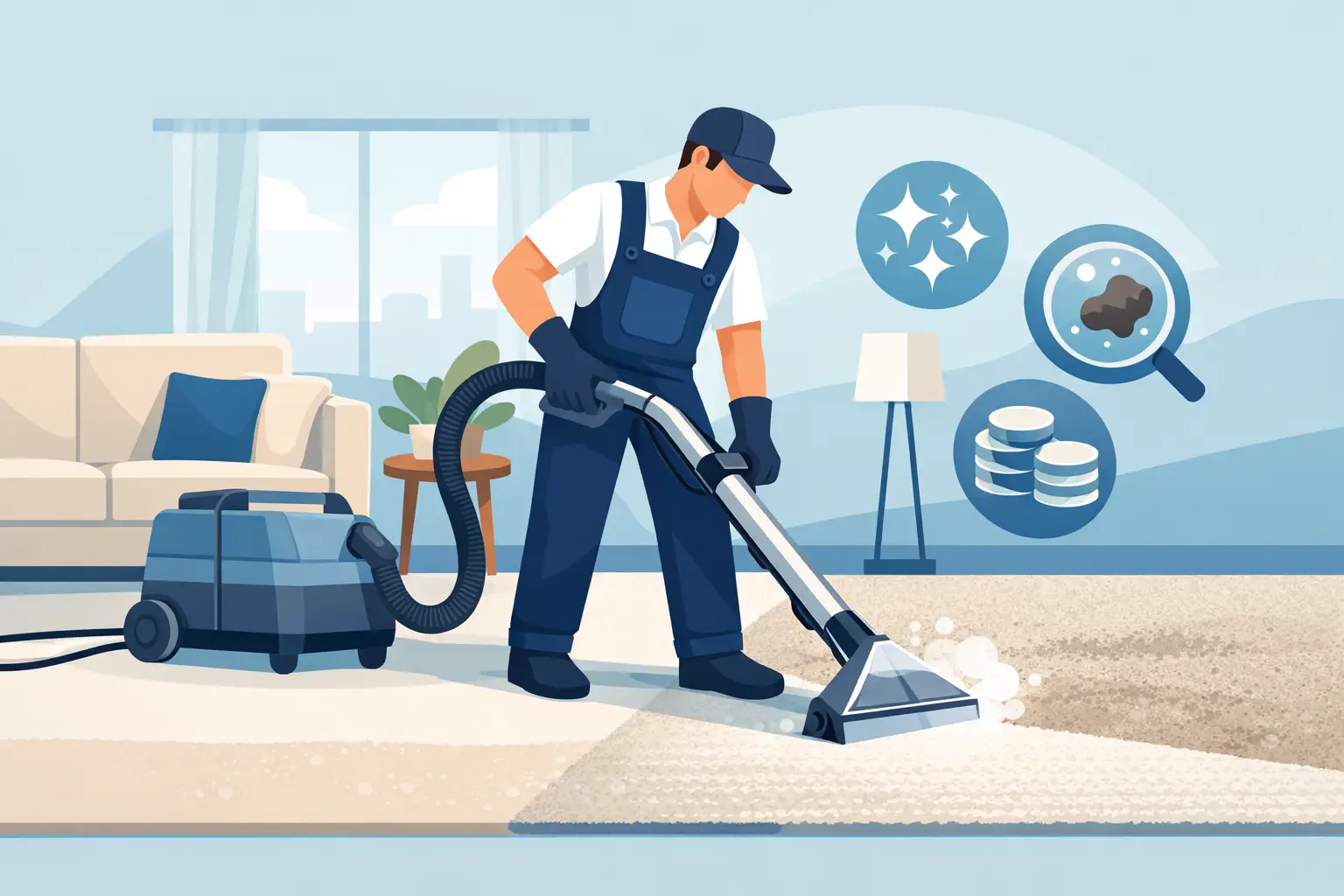
The state of your office is noticed before the first meeting begins. A marked kitchen bench, overflowing rubbish bin or dusty reception desk can make a small business feel less organised than it really is. Reliable office cleaning for small businesses protects the professional environment you have worked hard to create, while giving your team one less job to worry about.
For a smaller workplace, cleaning is not simply about appearance. It affects staff comfort, customer confidence, hygiene and the time your people spend dealing with chores instead of their actual work. The right arrangement should be dependable, tailored to how your office operates and simple to manage.
Why office cleaning for small businesses deserves a plan
Small businesses often try to handle cleaning informally. Someone empties the bins when they are full, another person gives the kitchenette a wipe, and the floors get attention when a visitor is due. This may work briefly, but standards can slip quickly when everyone is busy or assumes somebody else has handled it.
A planned cleaning service creates consistency. High-use areas are cleaned before they become unpleasant, rubbish is removed on schedule and shared spaces stay ready for staff, clients and suppliers. That consistency matters even more in compact offices, where a cluttered desk area or a dirty bathroom can affect the entire workplace.
There is also a practical health consideration. Desks, door handles, kitchen appliances and bathroom fixtures are touched repeatedly throughout the week. Regular cleaning helps reduce the build-up of dirt and germs in the areas your team shares most. It will not prevent every illness, but it supports a cleaner, more comfortable place to work.
For client-facing businesses, first impressions are equally important. Whether you run a consultancy, studio, clinic, real estate office or local trade business, visitors should see an environment that reflects care and professionalism. A clean office signals that details matter.
Choose a schedule that suits your workplace
There is no single cleaning frequency that suits every small business. The right schedule depends on foot traffic, the number of staff, the type of work you do and whether clients visit your premises. A quiet office with four people may be well served by a fortnightly clean and regular staff tidying. A busy office with a shared kitchen, customer meetings and 10 team members may need weekly service or more frequent attention to bathrooms and common areas.
Start by considering what becomes untidy first. In many workplaces, it is the kitchen, toilets, floors near entrances and rubbish areas. These spaces usually deserve priority because they affect hygiene and appearance across the office.
Weekly cleaning
Weekly cleaning is a sensible choice for most small offices with regular staff attendance. It keeps shared areas under control without asking employees to take on a cleaning roster. A weekly service can cover vacuuming and mopping floors, cleaning bathrooms, wiping kitchen surfaces, removing rubbish and dusting accessible surfaces.
This frequency is particularly useful if staff eat at the office, clients come through regularly or your premises are located near busy Melbourne streets where dust and moisture can be tracked inside.
Fortnightly cleaning
Fortnightly cleaning can work well for lower-traffic offices, hybrid teams or businesses where staff work mostly off-site. It is often a cost-conscious option, provided the team can manage basic daily habits such as washing dishes, wiping spills and placing rubbish in bins.
The trade-off is that shared spaces can look tired sooner, especially after a busy week. If you choose a fortnightly schedule, consider whether the cleaner should focus on deeper tasks while your staff maintain the basics between visits.
Additional cleaning when it is needed
Some jobs do not belong in a standard weekly routine. Carpet cleaning, internal window cleaning, detailed kitchen cleans and post-renovation cleaning may be required less often, but they can make a noticeable difference. Scheduling these services when the office is quieter helps maintain standards without disrupting the working day.
Build a scope around the spaces people actually use
A good cleaning plan is not a generic checklist copied from a larger office. It should reflect your workplace and the areas that need the most care. Be clear about the rooms included, the level of cleaning expected and anything that needs special attention.
For most small offices, the core scope includes four key areas:
Reception and workspaces, including vacuuming, dusting accessible surfaces and keeping entry areas presentable.
Kitchens and break areas, including benches, sinks, appliance exteriors, tables and rubbish removal.
Bathrooms, including toilets, basins, mirrors, floors and replenishing agreed consumables where required.
Floors and touchpoints, including mopping hard floors and cleaning commonly touched surfaces such as handles and switches.
It also helps to discuss what is not included. Cleaners should not be expected to move heavy furniture, sort confidential papers or clean specialised equipment unless this has been agreed in advance. Clear expectations protect both your business and the cleaning team.
If your office has particular requirements, mention them early. This might include secure access procedures, allergy-sensitive products, a preference for cleaning after hours or areas that must not be disturbed. A professional provider can work around these needs, but only when they understand them.
Look beyond the lowest quote
Price matters to a small business, but the cheapest quote is not always the best value. A very low price may reflect a rushed clean, unclear scope or inconsistent staffing. When cleaning is skipped or done poorly, the cost often returns in staff frustration, complaints or the need to arrange a corrective clean.
Instead, look for a service that explains what is included and provides a realistic schedule for the size of your office. Ask how the company handles quality concerns, missed tasks and changes to your requirements. You should know who to contact and feel confident that issues will be addressed promptly.
Trust is another essential part of the decision. Office cleaners may work outside your business hours and have access to shared spaces, equipment and occasionally sensitive information. Choosing trained, vetted and background-checked cleaners gives business owners greater peace of mind. Consistency also matters. Having the same cleaner or regular team where possible means they become familiar with your office layout, priorities and preferred standards.
Make cleaning easier between visits
Professional cleaning works best when the office supports it with simple daily habits. This does not mean asking staff to scrub bathrooms or vacuum after work. It means making it easy for everyone to keep shared spaces reasonable until the next service.
Encourage staff to clear food from the fridge before it goes off, wash dishes after use and report spills quickly. Keep rubbish and recycling bins easy to access, and avoid using shared surfaces as long-term storage. These small actions allow cleaners to spend their scheduled time on genuine cleaning rather than clearing avoidable clutter.
It is also useful to nominate one person to communicate with the cleaning provider. They do not need to supervise every visit. Their role is simply to pass on changes, report concerns and confirm any extra work required. A single contact avoids mixed messages and makes the service easier to manage.
Know when your current arrangement is no longer enough
A cleaning routine may need to change as your business grows. If staff are regularly cleaning before client visits, bathrooms are running out of supplies, bins overflow or complaints are becoming common, it is time to review the schedule and scope.
Growth can change cleaning needs quickly. Adding a few team members, opening the office more days each week or introducing regular client meetings may justify moving from fortnightly to weekly cleaning. On the other hand, a shift to hybrid work may mean you can reduce frequency while retaining a thorough service.
The best arrangement is not the most frequent one on paper. It is the one that keeps your office consistently clean, fits your budget and removes the cleaning burden from your team. House Cleaner can provide dependable commercial cleaning support built around your office hours, priorities and recurring needs, so your workplace stays ready for the people who rely on it.
A final inspection can feel like the last hurdle between you and your bond. Australian rental cleaning standards are often discussed as though they require a spotless, brand-new property, but that is not the test. The real expectation is that a tenant returns the property in a reasonably clean condition, taking account of its condition at the start of the tenancy and allowing for fair wear and tear.
That distinction matters. It helps renters avoid paying for unnecessary work, gives property managers a clearer basis for inspection, and keeps end-of-lease cleaning focused on the jobs that genuinely affect the handover.
What Australian rental cleaning standards actually mean
There is no single national rulebook that lists every cupboard, tile and window a tenant must clean. Rental laws and tenancy agreements are administered by each state and territory, and the wording can differ. In practice, however, the same principle applies across Australia: leave the home as clean as it was when the tenancy began, except for reasonable wear caused by ordinary living.
The entry condition report is the starting point. It records the property’s state when the keys were handed over, ideally with dated photos. If a blind was dusty, a wall had marks, or carpet carried an existing stain at the beginning of the lease, a tenant is not usually responsible for making that item better than it was.
A useful way to think about the standard is simple: remove the dirt, grease, dust, rubbish and build-up created during your tenancy. Do not confuse cleaning with repairing age-related deterioration or damage that was already there.
Cleanliness is different from fair wear and tear
Fair wear and tear is gradual deterioration from normal use. Faded curtains from sunlight, worn carpet in a busy hallway and small scuffs from everyday furniture use may fall into this category, depending on the circumstances and condition report.
Cleaning issues are different. Grease left inside an oven, soap residue on shower screens, food crumbs in drawers, dust on skirting boards and litter left in the garden are generally matters a tenant should address. Damage is different again. A broken fitting, burn mark, pet damage or a large stain may require repair or compensation, rather than a cleaning service alone.
This is why a rushed clean can become costly. A property may look tidy at first glance while still failing an inspection because the detailed areas that collect grime have been missed.
The condition report should guide the clean
Before buying products or booking a cleaner, read the entry condition report alongside the latest inspection report, if one is available. Walk through each room with your mobile and take current photos. This gives you a practical scope of work and evidence of the property’s final condition.
Pay close attention to any special terms in the lease. Some agreements include requirements around professional carpet cleaning, flea treatment where pets have lived at the property, or cleaning particular inclusions such as blinds. A special term does not remove the need for it to be reasonable and lawful, but it should never be ignored. If you are unsure about a requirement, ask the property manager to clarify it in writing before the final week.
For Melbourne renters, this preparation can be especially useful during busy moving periods, when removalists, cleaners and final inspections are all competing for limited time. A clear checklist prevents last-minute surprises.
The areas inspectors commonly notice
A good end-of-lease clean is detailed, not just surface-level. Kitchens and bathrooms usually receive the closest attention because grease, scale and moisture build-up are obvious and can take time to remove.
Kitchen
The oven, cooktop and rangehood deserve dedicated attention. Remove loose crumbs first, then treat built-up grease safely according to the appliance manufacturer’s instructions. Clean the oven door, racks, trays, splashback, bench edges, sink, taps and the exterior of appliances included with the property.
Empty every cupboard and drawer, wipe inside and out, and check the top of cabinets where dust and cooking residue can settle unnoticed. Do not leave food, cleaning products or rubbish behind unless the property manager has expressly agreed to keep an item.
Bathroom and laundry
Limescale, soap scum and mould are frequent inspection issues. Clean the shower screen, tiles, grout, bath, vanity, toilet, mirrors and taps. Clear hair and residue from drains where safe to do so, and wipe exhaust fan covers and laundry surfaces.
Mould needs care. Light surface mould may be cleaned with an appropriate product and ventilation, but widespread or recurring mould can be linked to a maintenance issue, leak or poor ventilation. Photograph it and raise it with the property manager rather than simply covering it up. Your cleaning responsibility depends on the cause.
Living spaces and bedrooms
Vacuum carpets thoroughly, including along edges and under furniture that remains. Hard floors should be vacuumed or swept and then mopped with a suitable product. Wipe skirting boards, light switches, door handles, window sills, wardrobes and visible marks on walls where they can be removed without damaging the paint.
Dust ceiling fans, vents, blinds and accessible light fittings. Be cautious with high areas, delicate blinds and painted surfaces. A cleaning result is not worth an injury or accidental damage charge.
Windows, outdoor areas and rubbish
Clean internal window glass and tracks where they are reasonably accessible. Exterior window cleaning may depend on access, safety and what is stated in the lease. Never attempt upper-level external windows without appropriate equipment.
Balconies, courtyards and gardens should be left neat. Remove personal belongings, sweep hard surfaces, clear rubbish and deal with pet waste. Garden care requirements vary, particularly where a home has established landscaping, so compare the outdoor area with the entry report rather than guessing.
Do you need professional end-of-lease cleaning?
Not every rental requires a professional cleaner. If you have time, suitable equipment and the property is modest in size or well maintained, a careful DIY clean may meet the required standard. The key is being realistic about the labour involved, particularly after packing and moving.
Professional help can be worthwhile when the property has heavily used kitchens or bathrooms, carpets that need specialised treatment, large windows, built-up grime, limited time or a strict handover date. A trained cleaning team can also manage the detailed jobs people commonly overlook, such as rangehood filters, tracks, grout, blinds and skirting boards.
The trade-off is cost versus time and confidence. A cleaner cannot fix pre-existing defects or tenant damage, and no honest service can promise a bond outcome that depends on a property manager, the condition report and the tenancy circumstances. What a professional clean can do is bring the property to a clear, inspection-ready standard and provide a record of the work completed.
If you engage a service, be specific about the property type, number of rooms, carpets, windows and any problem areas. Book early, especially if cleaning needs to happen after removalists leave but before keys are returned. House Cleaner can assist with move-in and move-out cleaning, carpet cleaning, window cleaning and post-renovation work when a property needs more than a quick surface clean.
Avoid the mistakes that lead to repeat cleaning
The most common error is cleaning before the home is empty. Furniture hides dust, boxes create clutter and removalists can leave marks or debris behind. Whenever possible, schedule the detailed clean after possessions have been removed.
Another mistake is relying on an informal checklist without checking the entry report. A property manager may reasonably ask for a missed cleaning item to be addressed, but they should not expect a tenant to improve pre-existing wear or undertake work outside their responsibility.
Finally, do not hand back keys without doing your own final walk-through. Open cupboards, turn on lights, check the oven, look behind doors and inspect the bathroom in daylight. Take clear photos after cleaning, including wide shots and close-ups of key areas. Keep receipts and written communications until the bond has been finalised.
A calm, well-planned handover starts with the condition report and ends with a home that is clean, empty and ready for the next resident. Give yourself enough time to inspect the details, or arrange dependable help before moving day turns into a deadline.
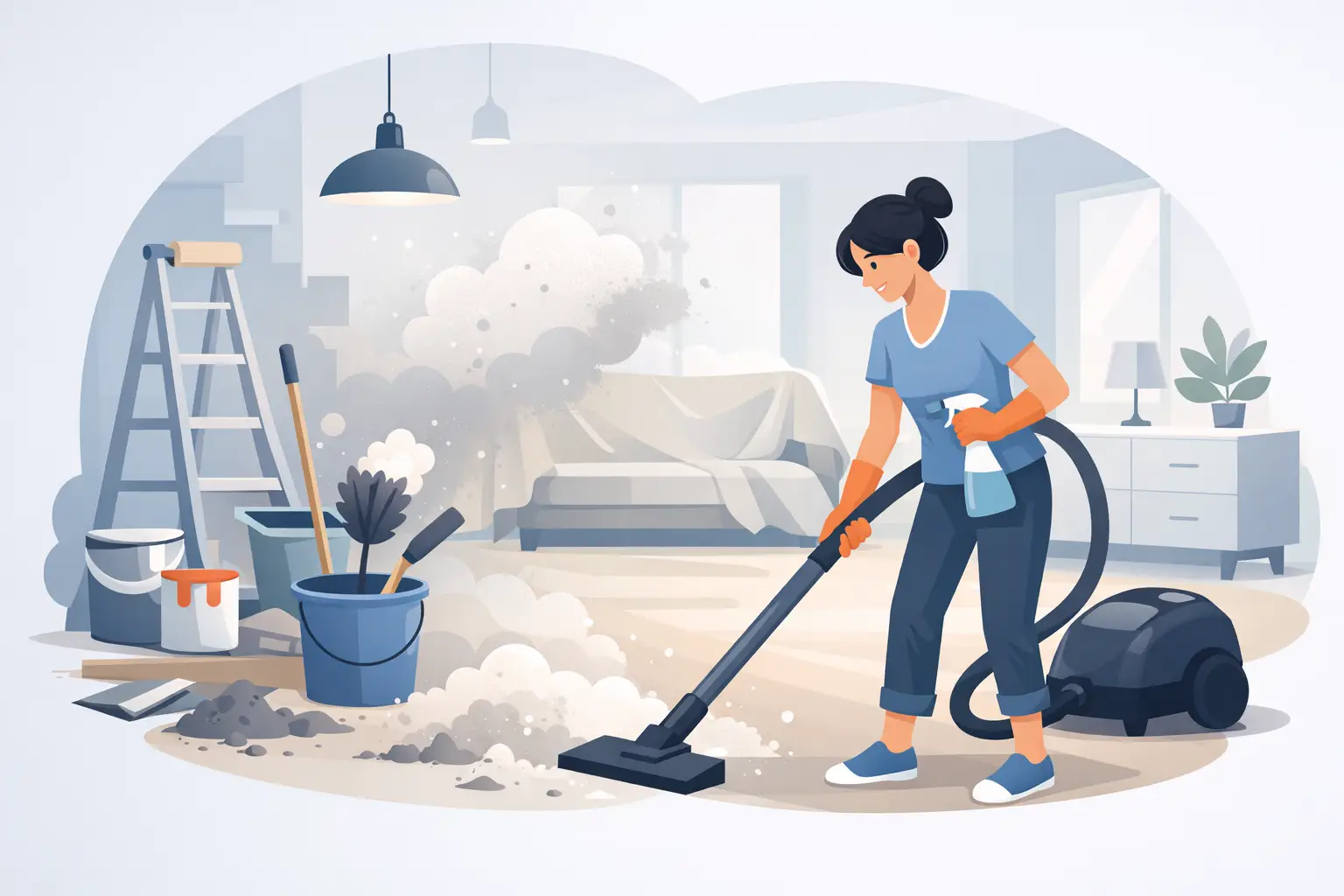
Fresh paint and new finishes can make a renovated home look nearly complete, but renovation dust has a way of settling everywhere: inside cupboards, along skirting boards, on window tracks and through soft furnishings. Knowing how to clean after renovation means working in the right order, using the right products and allowing enough time for fine dust to be removed properly rather than simply moved around.
Post-renovation cleaning is more detailed than a standard house clean. Plaster dust, sawdust, grout haze, silicone marks and paint splatters each need a different approach. A careful plan protects your new surfaces while making the space safe, comfortable and ready to use.
Start only when the work is truly finished
Before cleaning begins, confirm that trades have removed their tools, offcuts and building materials. Ask whether any paint, grout, adhesive or sealant still needs curing. Cleaning too early can leave fingerprints in fresh paint, damage new sealant or create more work once another trade returns.
Open windows where practical and safe, then switch off air conditioning while you tackle loose dust. This reduces the chance of dust being drawn into vents and recirculated through the room. If you have sensitive airways, wear a well-fitted mask and gloves, especially when cleaning fine plaster or timber dust.
Walk through each room first. Look for defects such as chipped tiles, scratched glass, paint drips or damaged fittings, and photograph anything that needs to be raised with your builder before cleaning it. Once a mark has been scrubbed, it can be difficult to show what was there originally.
How to clean after renovation in the right order
The biggest mistake is mopping floors first. Dust falls downward, so clean from the highest point in the room to the lowest, and from the back of the room towards the exit. This prevents recontaminating areas you have already finished.
Start with ceilings, cornices, light fittings, air vents and the tops of cabinetry. A vacuum with a clean brush attachment works well for loose dust, provided the filter is suitable for fine particles. Follow with a dry microfibre cloth or duster. Avoid soaking dusty surfaces at this stage, as plaster dust can turn into a stubborn paste.
Next, clean walls, doors, frames, cupboards and benchtops. Use a lightly damp microfibre cloth and a mild, surface-appropriate cleaner. Test any product in an inconspicuous spot first, particularly on natural stone, timber, painted cabinetry and matte finishes. New materials often look durable but can be surprisingly easy to mark.
Glass, mirrors and windows should come after surrounding frames and tracks have been vacuumed. Otherwise, grit can scratch the surface as you wipe. Use a clean glass cloth rather than paper towel, which can leave lint behind.
Floors come last. Vacuum slowly, including edges, corners and underneath newly installed cabinetry where accessible. Then mop using the cleaner recommended for the floor type. Timber, laminate, polished concrete and natural stone all have different care requirements, and too much water can cause damage.
Give kitchens and bathrooms extra attention
Kitchens and bathrooms collect the most construction residue because they contain multiple finishes in a small space. They also need to be hygienic before everyday use.
In the kitchen, clean inside and outside every cupboard, drawer and pantry. Fine dust often settles behind drawer runners and along shelf joins. Wipe splashbacks, benchtops, taps, handles and appliances, then polish stainless steel in the direction of the grain. Check the rangehood filters and remove dust from the exterior before cooking begins.
For bathrooms, remove dust from exhaust fans, vanity drawers, shower frames, taps, tiles and toilet bases. Grout haze on new tiles needs care. A harsh acidic product may damage natural stone, coloured grout or some finishes, so always identify the tile material first. For light residue on ceramic or porcelain tile, a mild cleaner and non-scratch pad may be enough.
Check silicone lines around sinks, showers and baths. If sealant is newly applied, follow the installer’s curing advice and do not scrub it prematurely. Once cured, a gentle wipe is generally all that is needed.
Remove common renovation marks without damaging finishes
Not every spot needs stronger chemicals. In fact, aggressive scrubbing can dull new paint, scratch chrome or strip protective coatings. Begin with the mildest suitable option and increase only if necessary.
For paint splatters on glass or tiles, soften the spot with warm water and carefully lift it with a plastic scraper. Keep the scraper flat to reduce the risk of scratching. On painted walls, use a damp cloth and gentle pressure rather than solvent.
Adhesive residue can sometimes be lifted with a small amount of suitable adhesive remover, but test first and keep it away from porous stone, timber and freshly painted surfaces. Silicone smears are best addressed carefully with a plastic tool once the silicone has cured. If you are unsure what the residue is, ask the relevant trade before applying a product.
Construction dust inside window tracks, sliding door channels and tight corners is best vacuumed with a crevice tool before wiping. Repeated passes are normal. Fine dust is persistent, and one quick clean rarely removes it all.
Do not forget the areas dust travels to
Renovation dust does not stay in the renovated room. It moves through hallways, settles in bedrooms and clings to fabric. Even if doors were closed during the work, plan to clean adjoining spaces as well.
Wash or vacuum curtains according to their care labels, and vacuum upholstered furniture using an upholstery attachment. Launder removable cushion covers and bedding if the work created significant dust. Rugs and carpets may need a slow, thorough vacuum on more than one occasion. A professional carpet clean can be worthwhile after larger projects or sanding work, particularly if dust has been walked through the home.
Replace or clean air-conditioning filters once work is complete. Wipe vents and consider having the system checked if there was extensive plaster, timber or concrete dust. This small step can make a noticeable difference to indoor air quality after you move back into the space.
Outside, sweep entryways, balconies and footpaths where permitted, then wipe external window frames and tracks. Avoid hosing construction debris into drains. Collect it and dispose of it responsibly instead.
When professional after-renovation cleaning is the better choice
A small bathroom refresh may be manageable over a weekend. A full kitchen renovation, extension, office fit-out or multi-room project is different. It can take many hours of detailed cleaning, specialised equipment and repeat dust removal to reach a genuinely finished result.
Professional help is particularly useful when you are preparing to move in, handing a rental back to an agent, reopening a business or trying to meet a builder’s handover deadline. Trained cleaners know where residue hides and can work through the property methodically, from high surfaces to floors, without overlooking the practical details that make a home feel ready.
For Melbourne households and businesses, House Cleaner provides after-renovation cleaning support designed to take this demanding final task off your list. It is a practical option when your time is already tied up with trades, furniture deliveries and the rest of the move back in.
A renovation should end with the satisfaction of using a clean, finished space, not another exhausting weekend of dusting. Take the work one room at a time, treat new finishes gently and give fine dust the extra attention it demands. When the job is larger than your available time, reliable cleaning support can help the final reveal feel like the fresh start it should be.
The kitchen bench can be spotless by Monday and somehow covered in crumbs, post and water marks by Wednesday. That is the reality of apartment living: smaller spaces are quick to tidy, but they show mess faster. This apartment cleaning guide is designed to make the work manageable, whether you are maintaining a busy household, sharing a rental or preparing for a property inspection.
A clean apartment is not about chasing perfection every day. It is about having a routine that protects the areas you use most, keeps clutter from taking over and gives you the confidence to welcome visitors without a last-minute cleaning rush.
Start with the cleaning standard you need
Before reaching for a spray bottle, decide what kind of clean is needed. A regular clean keeps your apartment comfortable and hygienic. A deep clean tackles the jobs that get missed in weekly life, such as skirting boards, oven grime and bathroom mould. A move-out clean is more detailed again, with attention to cupboards, walls, appliances and areas that may be checked during a final inspection.
These standards should not be treated as interchangeable. If you are renting, your property condition report is a useful reference point for the condition you need to restore. Fair wear and tear is different from built-up dirt, stains or neglected grease. If there is uncertainty about your lease requirements, check with your property manager before booking or starting a major clean.
For most homes, a weekly clean supported by a more thorough clean every few months is a realistic balance. Apartments with pets, young children, indoor drying or several occupants may need more frequent attention, particularly in bathrooms and kitchens.
An apartment cleaning guide that works room by room
The easiest way to lose momentum is to move randomly from one job to another. Work from dry tasks to wet tasks, and from higher surfaces down to the floor. This means dust settles before you vacuum, and crumbs are removed before you mop.
Begin with a quick reset
Put away laundry, shoes, dishes, paperwork and anything that belongs in another room. In an apartment, visual clutter has an outsized effect because storage is often limited. Do not spend half an hour organising a drawer when the aim is to clean. Place loose items in a basket or return them to their proper place, then continue.
Open windows where practical and safe. Fresh air helps bathrooms and kitchens dry properly after cleaning, though Melbourne weather may call for a shorter airing time on cold or wet days.
Give the kitchen priority
The kitchen is usually the hardest-working area in an apartment. Start by clearing and wiping benches, then clean the sink, tapware and cooktop. A soft cloth and suitable surface cleaner will handle everyday marks, while a degreaser may be needed around the rangehood, splashback and stove controls.
Do not overlook the microwave, fridge handles, cupboard fronts and bin area. These are high-touch surfaces that quickly make an otherwise clean kitchen feel neglected. Sweep or vacuum crumbs from corners before mopping the floor.
The oven needs a separate plan. Light spills can be managed as part of a regular routine, but baked-on grease often requires a dedicated deep clean. Always follow the appliance manufacturer’s guidance, especially for self-cleaning ovens and delicate cooktop surfaces.
Clean bathrooms with enough contact time
Spray the shower, basin, toilet and tiles first, then let the product sit as directed on the label. This gives it time to break down soap scum and grime while you complete another nearby task. Scrubbing immediately can mean more effort for a poorer result.
Use separate cloths for the toilet and for other bathroom surfaces. Pay attention to taps, shower screens, drain edges and the floor around the toilet. These small details matter in daily comfort and during inspections. If mould returns quickly, ventilation may be part of the issue. Run the exhaust fan, leave the door open after showers where possible and dry damp areas rather than simply covering them with stronger chemicals.
Make bedrooms easier to maintain
Fresh sheets and clear bedside tables make a bedroom feel clean even before the rest of the room is finished. Dust accessible furniture, wipe marks from mirrors and vacuum beneath the bed if you can reach it safely. In compact bedrooms, avoid storing piles of items on the floor. They collect dust and turn a simple vacuuming job into a bigger task.
Wardrobes do not need to be fully reorganised each week. For a deeper clean, remove a section at a time, vacuum the base and wipe shelves before returning belongings. This approach avoids creating more mess than you can finish.
Finish with living areas and floors
Dust entertainment units, shelves, window sills and reachable light switches. Use a microfibre cloth that is clean and only lightly damp where required. Too much water can leave streaks on glossy furniture and may damage some timber finishes.
Vacuum upholstery, rugs and floor edges before cleaning hard floors. A good vacuum pass around skirting boards, under the sofa and near balcony doors makes a noticeable difference. Then mop only once the floor is clear of grit. Excess water is rarely helpful in apartments, particularly on laminate flooring or where ventilation is limited.
Build a routine around your real week
The best cleaning schedule is the one you can keep. For many busy residents, a 10-minute daily reset prevents the weekend clean from becoming overwhelming. Wash dishes or load the dishwasher, wipe the kitchen bench, put away obvious clutter and give the bathroom basin a quick wipe.
Set aside a little longer once a week for vacuuming, mopping, bathroom cleaning, dusting and changing sheets. Then rotate deeper jobs across the month rather than attempting them all at once. One week might include the oven, the next the inside of the fridge, then windows, balcony doors or cupboard fronts.
If you share an apartment, agree on clear ownership rather than relying on vague promises to “help out”. One person can manage bins and kitchen surfaces while another takes care of floors and bathrooms. The arrangement matters less than consistency.
Avoid common apartment cleaning mistakes
Apartment surfaces are often close together, which makes product choice and technique more important. Mixing cleaning chemicals is never safe. In particular, avoid combining bleach with other products, as harmful fumes can result. Read labels, use products as directed and keep the space ventilated.
Another common mistake is using abrasive tools on glass cooktops, stone benches, shower screens or polished tapware. A stubborn mark can be frustrating, but harsh scouring can leave permanent scratches. Test an unfamiliar product in a discreet spot first.
It is also tempting to ignore balconies, tracks and vents because they are less visible. Yet dust, leaves and moisture build up in these areas and can find their way indoors. A quick sweep of the balcony and vacuum of sliding-door tracks can improve both cleanliness and airflow.
There are times when doing it yourself is practical, and times when expert help saves far more than it costs. A professional clean can be particularly useful before moving out, after renovations, ahead of guests, following a busy period at work or when recurring cleaning has slipped beyond what a weekend can fix.
Regular weekly or fortnightly support also suits residents who value a consistently clean home but do not want cleaning to consume their limited free time. The right service should be clear about what is included, arrive reliably and use trained, vetted cleaners you can feel comfortable having in your home. For repeat visits, having the same cleaner where possible can make the experience more consistent and personal.
House Cleaner supports Melbourne apartment residents with one-off and recurring cleaning options designed around everyday routines, not unrealistic standards. A clear conversation about your priorities, such as bathrooms, pet hair, floors or inspection preparation, helps ensure the service fits your home.
A clean apartment should give you room to rest, work and enjoy the people who matter to you. Start with the next visible job, keep the routine simple, and ask for dependable support when your time is better spent elsewhere.
A clean home can feel manageable on Sunday evening and completely out of reach by Thursday. That is why the choice between one-off versus recurring cleaning is not simply about how often someone vacuums or wipes a bench. It is about the kind of support that best fits your schedule, household, workplace and peace of mind.
A one-off clean can restore order when life has become busy or a particular event demands extra attention. Recurring cleaning provides reliable help before mess, dust and cleaning jobs begin to pile up. Both have a place. The right choice depends on what you need now and what would make everyday life easier over time.
What is one-off cleaning?
One-off cleaning is booked for a single occasion, usually with a clear purpose in mind. It might be a thorough clean before guests arrive, a post-renovation clean to remove building dust, an end-of-lease clean, or a reset after a demanding few months at work.
The scope can be tailored to the property and the reason for the visit. A family may need bathrooms, kitchen surfaces, floors and high-touch areas brought back under control. A tenant moving out may need detailed attention to cupboards, skirting boards, appliances and other areas expected in a final inspection. Businesses may arrange a one-off service after an event, a fit-out or a period of reduced cleaning.
The main advantage is flexibility. You book help when a specific need arises without committing to an ongoing schedule. It is also a sensible starting point for people who have not used a professional cleaner before and want to see what level of support makes a difference.
There is a trade-off. Because the cleaner is often tackling accumulated work, a one-off clean can take more time than a routine visit. Once the property is back to a good standard, maintaining it remains your responsibility until you book again.
What is recurring cleaning?
Recurring cleaning is a planned service delivered weekly or fortnightly. Instead of waiting until the house feels overwhelming, cleaning becomes part of the household routine. The same principle applies to offices, where regular attention helps keep shared spaces presentable for staff and visitors.
A recurring service generally focuses on the tasks that make the biggest day-to-day difference: vacuuming and mopping floors, cleaning bathrooms and kitchens, dusting accessible surfaces, emptying rubbish and tidying the areas agreed in your service plan. The exact priorities can be adjusted around your home, pets, children, work arrangements or business hours.
For many customers, consistency is the real value. When a trained, vetted cleaner understands the property and your preferences, there is less explaining, less last-minute organising and less uncertainty about whether the cleaning will get done. Keeping the same cleaner for repeat visits, where available, can make the experience feel especially familiar and dependable.
One-off versus recurring cleaning: the practical differences
The best option is rarely about which service is universally better. It is about matching the service to the rhythm of your life.
Cost and value over time
A one-off clean is usually priced around the time and work required for that individual visit. It can represent excellent value when you need a targeted result, such as preparing for a move, recovering after renovation work or getting ready to host family. However, it may cost more per visit than routine cleaning because the cleaner is addressing a greater build-up.
Recurring cleaning can be easier to budget for because it follows a regular schedule. More importantly, it prevents routine tasks from becoming a major catch-up job. A fortnightly clean will not eliminate every household chore, especially in a busy family home, but it can significantly reduce the cleaning load between visits.
Ask for a clear quote based on your property, required tasks and frequency. The cheapest option is not always the best value if it leaves key areas untouched or creates more work for you afterwards.
Time, effort and mental load
A one-off booking gives you relief at a particular pressure point. This can be invaluable before a property inspection, after a busy school term or when work deadlines have taken over. Yet it does not change the ongoing cycle of cleaning, planning and catching up.
Recurring cleaning is designed to give back time regularly. Rather than spending a weekend cleaning bathrooms and floors, you can use that time for family, rest, errands or simply enjoying a home that feels looked after. For busy professionals and parents, the reduction in mental load can matter as much as the visible result.
Consistency and trust
With a one-off clean, the focus is on achieving a strong result that day. The team needs a clear brief, particularly if there are priority rooms, delicate surfaces, access requirements or areas that need extra attention.
With recurring service, preferences can become part of the routine. Perhaps you want the kitchen given extra attention, a home office cleaned carefully around equipment, or cleaning completed while you are at work. A professional service with background-checked staff, straightforward booking and reliable communication makes it easier to feel comfortable handing over those responsibilities.
Flexibility when circumstances change
One-off cleaning works well for changing or occasional needs. Renters may only require professional help at the start or end of a tenancy. Homeowners may book before selling, after building work or before an important celebration. A commercial client may need extra support after a function or seasonal rush.
Recurring cleaning is flexible in a different way. You can choose a weekly schedule when the household is particularly busy, then move to fortnightly visits when circumstances settle. If you are travelling, renovating or preparing to move, your regular service may need to be paused or supplemented with a more detailed clean. The right provider should make those conversations simple.
When a one-off clean makes the most sense
Choose a one-off clean when there is a defined job with a clear finish line. Move-in and move-out cleaning are obvious examples, as are after-renovation cleaning, carpet cleaning, window cleaning and curtain cleaning. These services are often needed occasionally rather than every fortnight.
It is also a good fit if you usually manage your own cleaning but need support during an unusually busy period. A new baby, recovery from illness, a demanding work project or visitors staying over can all change what is realistic at home.
For Melbourne property managers and tenants, a one-off professional clean can be particularly helpful around lease transitions. The aim is not merely to make a place look tidy. It is to ensure the property receives the detailed attention expected when keys are being handed over.
When recurring cleaning is the better choice
Recurring cleaning suits homes and workplaces where the work never really stops. Families with children, pet owners, shared households and people working long hours often benefit most because regular visits stop cleaning from becoming a recurring source of stress.
It can also be a practical choice for older residents or anyone whose mobility, health or schedule makes ongoing cleaning difficult. Regular professional support can help maintain a comfortable environment without relying on a major clean only when conditions become hard to manage.
For offices and commercial spaces, consistency affects more than appearance. Clean kitchens, bathrooms, entry areas and workspaces help create a more welcoming setting for staff and clients. A planned schedule also means cleaning is not left to employees or handled only after standards have already slipped.
Start with the standard your property needs
If you are unsure, begin by looking honestly at the current condition of the space. A home that has not had a detailed clean for some time may benefit from a one-off reset first. Once the property is at a standard you are happy with, recurring weekly or fortnightly cleaning is much easier to maintain.
During booking, be clear about your priorities. Mention pets, parking and access arrangements, any rooms that are off limits, surface sensitivities, preferred cleaning times and the jobs that matter most. Good communication helps a caring cleaning team plan properly and deliver a result that suits your property rather than a generic checklist.
House Cleaner supports both one-off and regular cleaning needs, so you do not have to force your situation into a service that does not fit. Whether you need help for a single demanding day or a dependable routine, the goal is the same: a clean, comfortable space and less to carry on your own.
The most helpful cleaning plan is the one that leaves you with more time and fewer jobs hanging over the weekend. Choose the service that fits your life now, then adjust it as your needs change.
Same cleaner every visit benefits start showing up well before the house looks freshly cleaned. It is the relief of not needing to explain where the spare linen lives, which products you prefer, or why the home office must be left untouched. For busy families, professionals and renters, a familiar cleaner turns recurring cleaning from another job to manage into a dependable part of the week.
A regular service is about more than having someone arrive on time with the right equipment. When the same trained cleaner returns, they build knowledge of your home, your priorities and the level of care you expect. That familiarity can make weekly or fortnightly cleaning feel simpler, more personal and more consistent.
Same cleaner every visit benefits begin with familiarity
Every home has its own rhythm. One household may need extra attention around a busy kitchen and family bathroom, while another may want pet hair managed, mirrors polished or dust kept under control in a home workspace. A cleaner who visits regularly learns these details through experience instead of relying only on a checklist.
This means less time spent giving instructions at the door or sending follow-up messages. Your cleaner knows which rooms need priority, where supplies are stored if you provide them, and the small preferences that make a real difference. Perhaps you like cushions arranged a certain way, prefer doors closed after cleaning, or need a particular room cleaned quietly while someone is working from home.
Familiarity also helps the cleaner spot changes. They may notice that the shower screen needs a little more attention than usual, that fingerprints are building up around light switches, or that a high-traffic floor would benefit from a more thorough clean. Regular care is more effective when it is informed by what the home looked like last visit.
More consistent cleaning results over time
A first clean often involves learning the layout, assessing the condition of each room and understanding your expectations. It can take time to establish an efficient routine. By the second or third visit, a regular cleaner can work with greater confidence because they know where to focus and how the household functions.
That consistency matters most in the areas people use every day. Bathrooms stay easier to maintain when they are cleaned regularly. Kitchen benches, sinks and floors receive reliable attention before grime becomes a bigger task. Dust is less likely to build up in the places that are easy to overlook, such as skirting boards, shelves and window ledges.
Consistency does not mean every clean will look identical. A home changes from week to week. School holidays, visitors, pets, rainy weather and a particularly busy work period can all affect what needs doing. The advantage of a familiar cleaner is that they can adjust their effort without losing sight of the usual standard.
For commercial clients, the same principle applies. A regular office cleaner becomes familiar with shared kitchens, meeting rooms, entry areas and bins. They can maintain the presentation staff and visitors expect while working around the way the workplace operates.
Trust grows through a familiar face
Letting someone into your home or workplace requires confidence. For many customers, this is the most meaningful reason to request the same cleaner for recurring visits. Seeing a familiar, vetted professional reduces the uncertainty that can come with a different person arriving each time.
Trust is not only about security. It is also about knowing your cleaner understands the boundaries of your space. They know which rooms are private, how to treat delicate surfaces, where pets may be resting and whether anyone will be working or studying at home during the appointment.
A consistent relationship makes communication easier too. If you want to change the order of rooms, add a small task or mention a product sensitivity, you are speaking with someone who already understands the context. There is less chance of details being lost between visits.
At House Cleaner, trained and background-checked staff are central to providing that reassurance. A regular cleaner adds another layer of comfort by pairing professional standards with genuine familiarity.
You spend less time managing the clean
Outsourcing cleaning should give you time back, not create a new list of instructions every fortnight. With the same cleaner, many of the practical decisions have already been made. They know the access arrangements, the preferred cleaning routine and where they can work efficiently.
This is particularly helpful for households balancing work, children, caring responsibilities or travel. You may be able to leave for the day, return to a clean home and get straight on with your evening. It is also useful for property managers and business operators who need cleaning completed reliably without regular supervision.
A familiar cleaner is often better placed to flag anything that needs your attention, such as a supply running low or an area that may need a deeper clean. Rather than creating more work, this keeps communication focused and useful.
When a different cleaner may be necessary
Having the same cleaner is a valuable preference, but it is not always possible on every occasion. Annual leave, illness, changes to availability or a larger-than-usual cleaning job can mean another trained team member is needed. A dependable cleaning company should be upfront about this and have clear systems in place to protect your service standard.
For one-off work, such as an after-renovation clean, move-out clean or urgent booking, consistency may matter less than having the right number of cleaners and the right equipment for the job. In these cases, a coordinated team can be the better option.
The key is knowing what you value most. If continuity is important for your weekly or fortnightly service, mention it when booking and ask how the provider handles cover arrangements. Good cleaning teams keep service notes so that, if a replacement is required, they can arrive with a clear understanding of your home and priorities.
How to get the most from a regular cleaner
A little clarity at the beginning helps build a successful recurring service. Before the first visit, explain which areas matter most, whether there are surfaces that need special care and any access or security requirements. If you have pets, children sleeping during the day, or a home office with confidential material, let the cleaning team know.
It also helps to separate regular expectations from occasional requests. Your regular clean might cover bathrooms, kitchen surfaces, vacuuming, mopping and dusting, while tasks such as inside cupboards, oven cleaning, windows or carpet cleaning can be arranged when needed. This gives your cleaner a realistic routine and helps you choose the right service duration.
Keep communication open as your needs change. A cleaner cannot know that you have guests arriving, that a room is no longer in use, or that you would like extra attention in one area unless you mention it. The best recurring arrangements are straightforward partnerships: you share what matters, and your cleaner delivers dependable care visit after visit.
A clean home should feel like one less thing to carry. Choosing a familiar cleaner gives your service the consistency, trust and personal attention that make that feeling last.
The difference clean glass makes is easy to underestimate until sunlight comes through without the haze. Professional window cleaning removes the film of dust, salt, rain marks and everyday grime that builds up gradually, giving your home or workplace a fresher, better-kept feel without taking up your weekend.
For busy households, tenants, property managers and business owners, it is one of those tasks that is simple in theory but time-consuming in practice. Reaching high panes safely, avoiding streaks and dealing with stubborn marks all require more than a quick wipe with paper towel. A reliable cleaning team takes care of the details so you can enjoy clearer views and spend your time elsewhere.
Why Regular Window Cleaning Is Worth It
Windows face a surprising amount of wear. Dust, pollen, insect marks, fingerprints, moisture and air pollution can settle on glass and frames. In many Australian locations, coastal salt and hard water can leave particularly noticeable residue. Over time, this build-up can make rooms look dimmer, even when the rest of the property is clean.
Regular cleaning improves more than appearance. It allows more natural light into living areas, offices and shared spaces, which can make a room feel more open and welcoming. For commercial properties, clean windows help present a professional first impression to customers, visitors and staff before they walk through the door.
There is also a maintenance benefit. Leaving dirt, mineral deposits and salt residue on glass for long periods can make them harder to remove later. Cleaning frames and tracks at the same time helps prevent debris from collecting where it can affect drainage and the smooth operation of windows.
How often your windows need attention depends on the property. A family home near a busy road, construction site or coastline may benefit from more frequent visits. A quieter apartment with sheltered windows may need less. For many customers, booking window cleaning alongside a regular weekly or fortnightly home clean is the easiest way to keep the task from becoming another job on the to-do list.
What a Professional Window Clean Should Cover
A quality service is about more than cleaning the centre of the glass. The best result comes from careful attention to the visible areas that collect dirt and make windows look unfinished when missed.
Glass, frames and sills
The glass is the main focus, but frames, sills and ledges matter too. Dust and cobwebs around the edges can stand out even when the pane is streak-free. Cleaning these areas creates a neater overall finish and helps remove the debris that naturally gathers in corners.
For internal windows, this may include fingerprints, pet nose marks and splashes from nearby kitchens or bathrooms. External panes often need more work due to weather exposure, dust and mineral marks. A trained cleaner will use the right approach for the condition of the glass rather than treating every surface the same way.
Tracks and screens where required
Window tracks can hold a mix of dust, leaves, insects and moisture. They are easy to overlook, but cleaning them makes a meaningful difference to how a window looks and functions. Flyscreens also collect fine dust and pollen, which can quickly transfer back onto freshly cleaned glass if they are not addressed.
Not every visit needs to include an intensive track or screen clean. If your windows are maintained regularly, a lighter service may be enough. For a seasonal refresh, move-out clean or post-renovation service, a more detailed clean is often the better choice.
Streak-free finishing
Streaks usually come down to technique, products and the condition of the glass. Too much product, dirty cloths or cleaning in direct hot sun can leave smears behind. Professional cleaners work methodically to remove water and residue evenly, checking the glass from different angles before finishing.
Some marks are not simply surface dirt. Etching, scratches, damaged coatings and long-standing mineral staining may not disappear completely with standard cleaning. A trustworthy service will set clear expectations rather than promising a result the glass cannot deliver.
When DIY Cleaning Makes Sense – and When It Does Not
There is nothing wrong with wiping down an easily reached internal pane between professional visits. A small amount of gentle cleaner and a clean microfibre cloth can deal with a quick fingerprint or splash. For ground-level windows in good condition, homeowners may also choose to do a light clean themselves.
The trade-off is time, safety and finish quality. Exterior upper-level windows, large glass panels, awkward bathroom windows and panes above stairwells are not worth the risk of balancing on ladders or stretching from a ledge. Using the wrong tools can also push dirty water into tracks, scratch glass or leave a patchy result that needs to be redone.
Professional help is particularly useful before an inspection, open home, family gathering or business event. It is also a practical addition after renovation work, when fine construction dust can settle across glass, frames and ledges. In these situations, a thorough clean brings the property back to a presentable standard faster than trying to tackle every surface yourself.
Choosing a Window Cleaning Service You Can Trust
Letting someone work around your home or business calls for confidence in both their skills and their standards. Look for a cleaning provider with trained, vetted staff, clear communication and a process that fits around your schedule. Online booking and straightforward payment can make a real difference when you are already managing work, family or a property portfolio.
Consistency matters just as much as a good first clean. If you need ongoing support, a service that can schedule regular visits and, where possible, keep the same cleaner helps build familiarity and trust. Your cleaner learns the layout of the property, the areas that need extra care and the standard you expect each time.
It is useful to discuss access before the appointment. Let the team know about locked gates, pets, parking arrangements, fragile items near windows or any areas that are difficult to reach. If you are arranging cleaning for a tenancy or commercial premises, confirm whether the service is internal, external or both, and whether screens and tracks are included.
At House Cleaner, window cleaning can be arranged as part of a broader home or commercial cleaning plan. This is especially convenient for customers who want one caring cleaning team to manage the regular tasks that keep a property looking its best.
Getting the Best Result Between Visits
A few small habits can help your clean windows stay presentable for longer. Wipe fresh fingerprints from interior glass promptly, especially around sliding doors and low windows. Keep sprinklers directed away from glass where possible, as repeated water spray can leave mineral spots. After heavy rain or wind, remove leaves and loose debris from external sills before they become damp and compacted.
Avoid abrasive pads, harsh scouring powders and blades unless you know the glass is suitable for them. Modern glass, tinted panes and treated surfaces can be more sensitive than they appear. When in doubt, use a soft cloth and mild solution, or leave difficult marks for an experienced cleaner to assess.
Clean windows are not a luxury finishing touch reserved for special occasions. They are part of a comfortable, well-maintained home or workplace – a simple way to bring more light, clarity and care into the spaces where life and work happen every day.
A carpet can look acceptable from the doorway while holding far more than everyday life suggests. Fine dust settles below the surface, shoes bring in grit, pets leave hair and odours, and spills can linger long after the visible mark has faded. Professional carpet cleaning gives busy homes, rental properties and workplaces a proper reset without adding another demanding job to your week.
For many households, it is not about making carpet look new every month. It is about keeping rooms fresher, protecting a significant investment in flooring, and dealing with the spots and smells that regular vacuuming cannot reach.
What regular vacuuming cannot remove
Vacuuming matters. It lifts loose dirt, crumbs, hair and surface dust before they are walked deeper into the pile. In high-traffic areas such as hallways, living rooms and office entryways, vacuuming several times a week can make a noticeable difference.
But vacuuming does not remove everything. Small abrasive particles settle around carpet fibres and can gradually make the pile appear dull or flattened. Oils from feet, cooking residue, pet accidents and drink spills can also cling to fibres. A carpet may not look heavily stained, yet still feel less fresh or show darker pathways where people walk most often.
Deep cleaning is designed to address that build-up. The right approach depends on the carpet material, its age, how soiled it is and whether there are specific issues such as stains, pet odours or a move-out inspection ahead. This is why a one-size-fits-all treatment is rarely the best answer.
Signs carpet cleaning should move up your to-do list
A clear stain is an obvious reason to arrange a clean, but it is not the only one. If a room has an ongoing musty or pet-related smell, if the carpet looks darker along walkways, or if it does not feel fresh after vacuuming, professional attention is often worthwhile.
It can also help after a busy period at home. School holidays, visitors, wet weather, indoor entertaining and renovation work all bring extra dirt through the door. For commercial spaces, a carpet clean can support a more professional first impression for staff, clients and tenants, particularly in reception areas and meeting rooms.
Renters should consider timing carefully. Leaving carpet cleaning until the final days before handover can create unnecessary pressure, especially if stains need additional treatment or drying time. Booking it as part of an organised move-out clean gives you more breathing room before the property inspection.
Families with young children or pets may choose more frequent cleaning for practical reasons. So might allergy-conscious households, although carpet cleaning is only one part of a clean indoor environment. Regular vacuuming, ventilation and prompt attention to spills still play a role.
How often should carpets be professionally cleaned?
There is no single schedule that suits every property. A quiet household with no pets may only need professional cleaning every 12 to 18 months. A family home with children, pets or several high-use rooms may benefit from a clean every 6 to 12 months.
Commercial carpet cleaning is usually driven by foot traffic. An office with a small team may need periodic cleaning to maintain appearance, while customer-facing premises may require more frequent attention in entryways and shared areas. Property managers may also set requirements for end-of-lease cleaning, so it is sensible to check the tenancy agreement rather than assume.
The most useful question is not, “How dirty does the carpet look?” It is, “How much use is it getting?” Dirt accumulates gradually, and waiting until a carpet appears heavily soiled can make restoration more difficult.
Choosing the right carpet cleaning method
Professional cleaners may use hot water extraction, low-moisture cleaning or targeted spot treatment. Each method has a purpose, and the best option depends on the job.
Hot water extraction is commonly chosen for a thorough clean because it helps lift embedded soil from deep within the carpet. It can be especially useful for heavily used rooms and general refreshes. However, the carpet needs time to dry, and drying can take longer in humid weather, poorly ventilated rooms or thick carpet.
Low-moisture methods can be a practical choice where fast turnaround is important, such as workplaces that need rooms ready for use promptly. They may not be the best solution for every heavily soiled carpet, so an honest assessment before work begins matters.
Stain treatment requires its own judgement. Different stains respond differently. Coffee, red wine, ink, grease and pet accidents should not be treated with the same product or technique. Applying a supermarket cleaner without checking its suitability can sometimes set a stain, leave residue or affect carpet colour. When in doubt, blot the spill gently with a clean cloth, avoid vigorous scrubbing, and arrange professional advice.
Preparing your home or workplace for a better result
A little preparation helps the appointment run smoothly and allows the cleaning team to focus on the carpet itself. Clear small items, toys, cables and fragile belongings from the floor. If possible, move lightweight furniture from the areas being cleaned, or confirm beforehand what the service includes for furniture movement.
It is also helpful to point out stains, pet areas and places where drinks or food have been spilled. A mark that has been there for months may still improve, but expectations should be realistic. Some stains permanently alter dye or damage fibres, and no responsible cleaner should promise complete removal before inspecting the carpet.
After cleaning, allow adequate drying time before returning furniture or walking heavily on the carpet. Open windows where conditions allow, use fans if available, and keep children and pets off damp areas. Avoid placing heavy furniture back too soon, as this can leave impressions or slow drying.
Why trained cleaners make a difference
Carpet care involves more than operating a machine. A trained cleaner needs to identify carpet fibres, assess soil levels, choose suitable products and avoid over-wetting. Too much moisture can extend drying time and create avoidable problems, while insufficient rinsing may leave residue that attracts dirt again.
Trust matters just as much in homes and offices. When you book a professional service, you are inviting people into spaces that matter to you. A reliable provider should offer clear communication, trained and vetted staff, straightforward booking and an approach that respects your schedule and property.
For recurring household or commercial cleaning, consistency is especially valuable. A team that understands your space can spot changing needs early, whether that means arranging a carpet refresh before a function, addressing a spill quickly, or coordinating cleaning around office hours. House Cleaner takes this practical, customer-focused approach across its cleaning services, with the aim of making dependable care easier to arrange.
Keeping carpets fresher between appointments
Professional cleaning works best alongside simple regular habits. Vacuum high-traffic zones more often than rooms that are rarely used, and deal with spills as soon as possible. Place mats at external doors to reduce grit from shoes, particularly during wet weather, and ask visitors to remove shoes where that suits your household.
Be cautious with DIY spot products. Test any product in a hidden area first, use only a small amount, and do not soak the carpet. Blot from the outside of a spill towards the centre to reduce spreading. If the stain is large, oily, coloured or caused by a pet accident, attempting several treatments can make professional removal harder.
For offices, encourage staff to report spills rather than covering them with a chair or waiting until the next general clean. Prompt action protects the carpet and prevents minor incidents becoming permanent-looking marks.
A clean carpet changes how a room feels underfoot and how confidently you welcome people through the door. When your flooring is carrying the marks of everyday life, arranging expert care is a practical way to restore freshness and make the space easier to enjoy.
A rental inspection can feel stressful when you are juggling removalists, keys, paperwork and the next place to live. The most effective rental inspection cleaning tips are not about making a home look brand new. They are about returning it in a clean, well-cared-for condition that aligns with your entry condition report and gives the property manager no reason to question avoidable mess.
Start early, work methodically and put most of your energy into the areas inspectors notice first. A clean property also makes it easier to identify genuine maintenance issues, such as a leaking tap or damaged blind, that should be reported rather than hidden.
Start with the condition report, not the mop
Before reaching for cleaning products, find your original entry condition report and photos. They are the best guide to the standard you need to meet. Compare each room with the condition recorded when you moved in, taking account of fair wear and tear.
A faded curtain from years of sun, worn carpet in a high-traffic hallway or minor scuffs from everyday living may not be a cleaning issue. On the other hand, greasy rangehood filters, soap build-up on shower glass and dusty ceiling fans are usually maintenance items that tenants are expected to address.
If something is damaged, do not rely on a deep clean to disguise it. Tell the property manager promptly and keep written records. Being upfront is generally less stressful than having a concern raised at the final inspection.
Make a realistic rental inspection cleaning plan
A rushed clean often misses the small details that affect the overall result: the top of a door frame, the inside of a cupboard, fingerprints around light switches and grime behind the toilet. Give yourself at least a day for a small, well-maintained apartment and longer for a family home, pets, outdoor areas or neglected tasks.
Clean after your belongings are removed wherever possible. Furniture can hide dust, marks and carpet indentations, and an empty room is much easier to inspect properly. If you must clean before moving day, save floors, benchtops, bathrooms and the kitchen for a final pass once the property is vacant.
Work from high to low in every room. Remove cobwebs and dust from ceiling corners, fans, vents and ledges first, then wipe surfaces and finish with the floor. This simple order prevents dust from landing on an area you have already cleaned.
Keep a small kit with microfibre cloths, a vacuum with attachments, a mop, a non-abrasive bathroom cleaner, degreaser, glass cleaner, gloves and a soft brush. Test any stronger product on an inconspicuous spot first. Harsh chemicals can damage stone, painted surfaces, timber finishes and delicate fixtures, leaving a bigger problem than the stain you were trying to remove.
Rental inspection cleaning tips for the kitchen
Kitchens are often examined closely because grease travels further than most people expect. Begin with the oven while it has time to soak. Remove racks and trays, clean the interior according to the appliance instructions, then wipe the door glass, seals, control knobs and surrounding cabinetry. Avoid abrasive scourers on glass or enamel surfaces.
The rangehood needs equal attention. Clean the exterior, underside and filters, following the manufacturer guidance for removable filters. Wipe splashbacks, especially around the cooktop, and check the wall behind small appliances where cooking residue can collect.
Empty every cupboard and drawer. Vacuum crumbs from corners, wipe internal shelves and dry them fully before closing. Finish the kitchen by cleaning the sink, tapware, drain area, benchtops and the fronts of all appliances. Pull the fridge away only if it is safe to do so, then vacuum and mop underneath and behind it.
Do not forget the dishwasher. Remove food particles from the filter, wipe the door seal and run an appropriate cleaning cycle if needed. A dishwasher that smells stale can create the impression that the whole kitchen has been overlooked.
Get bathrooms clean without damaging surfaces
In bathrooms, soap scum and mineral deposits are the usual trouble spots. Apply cleaner to the shower screen, tiles, bath and vanity, then allow it to work for the recommended time before wiping. A soft brush is useful for grout lines, tap bases and the narrow edges of shower tracks.
Pay close attention to the shower screen. Clean both sides, dry it with a lint-free cloth and check from different angles for streaks. Wipe the exhaust fan cover, mirrors, towel rails, toilet exterior and the floor behind the toilet, where dust and hair gather easily.
Mould needs care. Light surface mould may respond to the right cleaning product and ventilation, but recurring or extensive mould can point to a building, plumbing or ventilation issue. Photograph it and notify the property manager, particularly if it was recorded at the start of the tenancy. Never paint over mould or use a product that could bleach or damage the surface without checking first.
Do not let bedrooms and living areas look unfinished
Empty wardrobes, drawers and shelves, then wipe them inside and out. Dust skirting boards, window sills, tracks, blinds and light fittings. Window tracks deserve particular attention because they collect dead insects, dirt and moisture that can be obvious when a window is opened.
Walls should be spot-cleaned carefully. Use a soft cloth and mild solution first, as vigorous scrubbing can leave shiny patches or remove paint. If marks remain, take photos and ask the property manager how they would like the issue handled rather than making an expensive repair attempt without approval.
Vacuum carpets slowly, including edges, under built-in furniture and inside wardrobes. Carpet cleaning requirements vary. Your lease agreement may require professional cleaning in certain circumstances, particularly where pets have been kept, but it should not be assumed in every tenancy. Check the agreement and discuss any uncertainty before booking a service.
For hard floors, vacuum first and use only the appropriate amount of water and cleaner. Oversaturating timber, laminate or vinyl can cause damage. A clean, dry finish is better than a floor that looks streaky or feels sticky underfoot.
Finish windows, outdoor areas and final details
Clean windows on the inside, including frames, tracks and flyscreens where accessible. External window cleaning can depend on safety, building access and strata rules, so do not attempt risky work from a ladder or balcony. If an outside area is your responsibility, sweep the balcony, courtyard, garage or carport, remove rubbish and clear leaves from drains where safe.
Before handing back the keys, complete one final walk-through in daylight. Stand at the doorway of each room and look at it as an inspector would. Open cupboards, turn on lights, check mirrors for streaks and make sure bins are empty. The following details are worth checking because they are commonly missed:
light switches, power points and door handles
skirting boards, door frames and air vents
window tracks, flyscreens and blinds
laundry sinks, lint filters and appliance spaces
rubbish bins, letterboxes and outdoor storage areas
Take clear, date-stamped photos after cleaning, including the oven, bathrooms, floors, cupboards and outdoor spaces. Keep copies of invoices if you used professional services. This documentation can be useful if there is a question later about the property’s condition.
When professional help makes sense
A professional move-out clean can be a practical choice when time is short, the property is large, or jobs such as oven, carpet, window or curtain cleaning need more attention. It can also reduce the pressure of coordinating cleaning around a busy move. The right service depends on the property and your lease requirements, so ask what is included before booking.
House Cleaner provides trained, vetted cleaning teams for move-in and move-out cleaning, along with carpet, window and curtain cleaning where extra support is needed. A clear scope of work helps ensure the areas that matter most to your inspection are not left until the last minute.
The goal is not perfection beyond reasonable expectations. It is a home that is clean, empty, cared for and ready for the next tenant. Give yourself enough time for a final check, keep your records, and you can hand over the keys with far more confidence.
A clean home should not depend on finding a spare Saturday or sacrificing family time to catch up on chores. The best recurring cleaning service gives you more than a tidy kitchen and vacuumed floors. It gives you a reliable routine, a team you are comfortable welcoming in, and one less responsibility competing for your attention.
For busy households, apartment residents and workplaces, recurring cleaning is often the practical answer to a problem that keeps returning. But not every provider delivers the same level of care or consistency. Choosing well means looking beyond the advertised price and asking how the service will work in your real life.
What makes the best recurring cleaning service?
A recurring service is built around regular visits, usually weekly or fortnightly, rather than a single deep clean. Its real value is consistency. When the same standards are followed on every visit, your home or workplace stays manageable instead of reaching the point where cleaning feels overwhelming.
The best fit will depend on the size of your space, how many people use it, whether you have children or pets, and the level of cleaning you need between visits. A fortnightly clean may suit a couple in a small apartment, while a busy family household or client-facing office may benefit from weekly support.
A dependable provider should make the arrangement feel straightforward. You should know what is included, when the cleaner will arrive, how changes are handled, and who to contact if you have a request. Clarity is not an extra. It is what allows a recurring service to reduce stress rather than create more of it.
Start with the right cleaning frequency
There is no universal schedule that suits every property. Choosing too few visits can mean the home feels untidy again within days. Booking more often than you need can stretch the budget without delivering much additional benefit.
Weekly cleaning works well for larger homes, families with active schedules, pet owners, shared households and offices with regular visitors. It keeps high-use areas such as kitchens, bathrooms, entryways and desks under control before dirt and clutter build up.
Fortnightly cleaning is a popular choice for households that maintain the basics but want professional help with the tasks that take the most time. It can be particularly useful for professionals, retirees, apartment residents and families who want a dependable reset every two weeks.
If you are unsure, begin by considering what happens in the days before you normally clean. Are bathrooms already due for attention? Is dust collecting quickly? Does the kitchen become difficult to keep on top of? Your honest answer will point to the frequency that provides genuine relief.
Look for trust, training and accountability
Recurring cleaning means allowing someone into your home or business on an ongoing basis. Trust should be one of the first things you assess, not an afterthought once you have booked.
Ask whether cleaners are vetted and background-checked, and whether they receive training in the company’s standards. Professional cleaning is not simply about knowing how to mop a floor. It involves working carefully around personal belongings, using suitable products on different surfaces, following agreed instructions and respecting the property at all times.
It is also worth finding out who takes responsibility if something is missed or you need to raise a concern. A professional company should have a clear process for feedback and service adjustments. The aim is not to expect perfection without communication. It is to know that concerns will be handled promptly and respectfully.
Consistency matters here too. Having the same cleaner or regular cleaning team wherever possible helps them learn your preferences. They become familiar with access arrangements, priority areas, pets, delicate surfaces and the way you like each room finished. That familiarity can make a noticeable difference to both quality and peace of mind.
Compare the scope of each visit, not only the price
A low hourly rate can look appealing until you discover that essential tasks are excluded, the cleaner is rushed, or the visit does not cover the rooms that matter most to you. Value comes from the result you receive within a realistic timeframe.
Before committing, make sure you understand the standard recurring clean. In most homes, this should cover the regular maintenance work that keeps rooms hygienic and presentable, including bathrooms, kitchens, dusting, vacuuming and mopping. But exact inclusions vary, so it is sensible to discuss your priorities before the first visit.
Some needs sit outside a standard maintenance clean. Carpet cleaning, window cleaning, curtain cleaning, oven cleaning and after-renovation cleaning often require extra time, specialised equipment or a separate booking. A full-service provider can be especially convenient because you have one trusted point of contact when those jobs arise.
Consider whether the provider can also adapt as your circumstances change. You may need an extra clean before visitors arrive, support during a busy work period, or a more detailed service when moving in or out of a rental. Flexibility is valuable, provided it is supported by clear notice periods and transparent pricing.
Questions worth asking before you book
A short conversation before booking can prevent frustration later. You do not need a complicated contract to feel confident, but you do need clear expectations. Ask these practical questions:
Are cleaners trained, vetted and background-checked?
Can I have the same cleaner or regular team for repeat visits?
What tasks are included in a weekly or fortnightly clean?
How are additional requests, skipped visits and schedule changes managed?
Do I need to provide cleaning products or equipment?
What happens if I am not satisfied with part of a clean?
Pay attention to how the provider responds. Clear, direct answers are a good sign. Vague promises, unexplained fees or reluctance to discuss service standards can make a recurring arrangement harder than it needs to be.
Make the first clean work harder for you
The first appointment sets the foundation for every visit that follows. It is your chance to explain what a clean home means to you, which areas matter most and any details that might not be obvious at a glance.
A family may want the kitchen bench, bathrooms and floors treated as non-negotiable priorities. Someone working from home may value a clean desk area and dust-free surfaces. A property manager may need common areas and presentation standards maintained reliably. There is no wrong preference, but your cleaner needs to know it.
It can help to arrange a slightly more thorough first clean if the property has fallen behind. Recurring cleaning is designed to maintain a good standard, not always to tackle months of build-up in one routine visit. Starting from a clean baseline makes later visits more efficient and helps produce consistent results.
You can also make access simple. Confirm whether you will be home, leave clear entry instructions, secure pets where needed and put away fragile or highly personal items. These small preparations allow the cleaner to spend their time where it adds the most value.
Choose convenience that still feels personal
Online booking and payment can make recurring cleaning easier to manage, particularly when your week is already full. The best systems let you request a quote, organise appointments and update details without unnecessary back-and-forth.
However, convenience should not come at the cost of communication. You should still be able to speak with a real person when you need to adjust a request, explain a concern or ask about an additional service. Good recurring cleaning combines organised systems with a caring cleaning team that understands the relationship is ongoing.
For Australian homes and businesses, reliability also means respecting agreed arrival windows and communicating early if circumstances change. A cleaner who arrives consistently, completes the agreed work and leaves the space properly cared for becomes part of a routine you can rely on.
A service that earns its place in your routine
The right recurring cleaner should create breathing room in your week. Instead of using your downtime to scrub bathrooms or chase dust through the house, you can come back to a space that feels looked after.
House Cleaner focuses on the practical elements that make ongoing cleaning easier: trained, vetted cleaners, simple online arrangements and consistent support for weekly or fortnightly visits. Whether you need help maintaining a family home, apartment or workplace, the most useful service is one that listens to your priorities and keeps delivering on them.
Give a new provider enough information to succeed, then judge the service by the calm and consistency it brings after each visit. A well-chosen cleaning routine should feel less like another task to manage and more like dependable support you are glad to have.