The difference clean glass makes is easy to underestimate until sunlight comes through without the haze. Professional window cleaning removes the film of dust, salt, rain marks and everyday grime that builds up gradually, giving your home or workplace a fresher, better-kept feel without taking up your weekend.
For busy households, tenants, property managers and business owners, it is one of those tasks that is simple in theory but time-consuming in practice. Reaching high panes safely, avoiding streaks and dealing with stubborn marks all require more than a quick wipe with paper towel. A reliable cleaning team takes care of the details so you can enjoy clearer views and spend your time elsewhere.
Why Regular Window Cleaning Is Worth It
Windows face a surprising amount of wear. Dust, pollen, insect marks, fingerprints, moisture and air pollution can settle on glass and frames. In many Australian locations, coastal salt and hard water can leave particularly noticeable residue. Over time, this build-up can make rooms look dimmer, even when the rest of the property is clean.
Regular cleaning improves more than appearance. It allows more natural light into living areas, offices and shared spaces, which can make a room feel more open and welcoming. For commercial properties, clean windows help present a professional first impression to customers, visitors and staff before they walk through the door.
There is also a maintenance benefit. Leaving dirt, mineral deposits and salt residue on glass for long periods can make them harder to remove later. Cleaning frames and tracks at the same time helps prevent debris from collecting where it can affect drainage and the smooth operation of windows.
How often your windows need attention depends on the property. A family home near a busy road, construction site or coastline may benefit from more frequent visits. A quieter apartment with sheltered windows may need less. For many customers, booking window cleaning alongside a regular weekly or fortnightly home clean is the easiest way to keep the task from becoming another job on the to-do list.
What a Professional Window Clean Should Cover
A quality service is about more than cleaning the centre of the glass. The best result comes from careful attention to the visible areas that collect dirt and make windows look unfinished when missed.
Glass, frames and sills
The glass is the main focus, but frames, sills and ledges matter too. Dust and cobwebs around the edges can stand out even when the pane is streak-free. Cleaning these areas creates a neater overall finish and helps remove the debris that naturally gathers in corners.
For internal windows, this may include fingerprints, pet nose marks and splashes from nearby kitchens or bathrooms. External panes often need more work due to weather exposure, dust and mineral marks. A trained cleaner will use the right approach for the condition of the glass rather than treating every surface the same way.
Tracks and screens where required
Window tracks can hold a mix of dust, leaves, insects and moisture. They are easy to overlook, but cleaning them makes a meaningful difference to how a window looks and functions. Flyscreens also collect fine dust and pollen, which can quickly transfer back onto freshly cleaned glass if they are not addressed.
Not every visit needs to include an intensive track or screen clean. If your windows are maintained regularly, a lighter service may be enough. For a seasonal refresh, move-out clean or post-renovation service, a more detailed clean is often the better choice.
Streak-free finishing
Streaks usually come down to technique, products and the condition of the glass. Too much product, dirty cloths or cleaning in direct hot sun can leave smears behind. Professional cleaners work methodically to remove water and residue evenly, checking the glass from different angles before finishing.
Some marks are not simply surface dirt. Etching, scratches, damaged coatings and long-standing mineral staining may not disappear completely with standard cleaning. A trustworthy service will set clear expectations rather than promising a result the glass cannot deliver.
When DIY Cleaning Makes Sense – and When It Does Not
There is nothing wrong with wiping down an easily reached internal pane between professional visits. A small amount of gentle cleaner and a clean microfibre cloth can deal with a quick fingerprint or splash. For ground-level windows in good condition, homeowners may also choose to do a light clean themselves.
The trade-off is time, safety and finish quality. Exterior upper-level windows, large glass panels, awkward bathroom windows and panes above stairwells are not worth the risk of balancing on ladders or stretching from a ledge. Using the wrong tools can also push dirty water into tracks, scratch glass or leave a patchy result that needs to be redone.
Professional help is particularly useful before an inspection, open home, family gathering or business event. It is also a practical addition after renovation work, when fine construction dust can settle across glass, frames and ledges. In these situations, a thorough clean brings the property back to a presentable standard faster than trying to tackle every surface yourself.
Choosing a Window Cleaning Service You Can Trust
Letting someone work around your home or business calls for confidence in both their skills and their standards. Look for a cleaning provider with trained, vetted staff, clear communication and a process that fits around your schedule. Online booking and straightforward payment can make a real difference when you are already managing work, family or a property portfolio.
Consistency matters just as much as a good first clean. If you need ongoing support, a service that can schedule regular visits and, where possible, keep the same cleaner helps build familiarity and trust. Your cleaner learns the layout of the property, the areas that need extra care and the standard you expect each time.
It is useful to discuss access before the appointment. Let the team know about locked gates, pets, parking arrangements, fragile items near windows or any areas that are difficult to reach. If you are arranging cleaning for a tenancy or commercial premises, confirm whether the service is internal, external or both, and whether screens and tracks are included.
At House Cleaner, window cleaning can be arranged as part of a broader home or commercial cleaning plan. This is especially convenient for customers who want one caring cleaning team to manage the regular tasks that keep a property looking its best.
Getting the Best Result Between Visits
A few small habits can help your clean windows stay presentable for longer. Wipe fresh fingerprints from interior glass promptly, especially around sliding doors and low windows. Keep sprinklers directed away from glass where possible, as repeated water spray can leave mineral spots. After heavy rain or wind, remove leaves and loose debris from external sills before they become damp and compacted.
Avoid abrasive pads, harsh scouring powders and blades unless you know the glass is suitable for them. Modern glass, tinted panes and treated surfaces can be more sensitive than they appear. When in doubt, use a soft cloth and mild solution, or leave difficult marks for an experienced cleaner to assess.
Clean windows are not a luxury finishing touch reserved for special occasions. They are part of a comfortable, well-maintained home or workplace – a simple way to bring more light, clarity and care into the spaces where life and work happen every day.
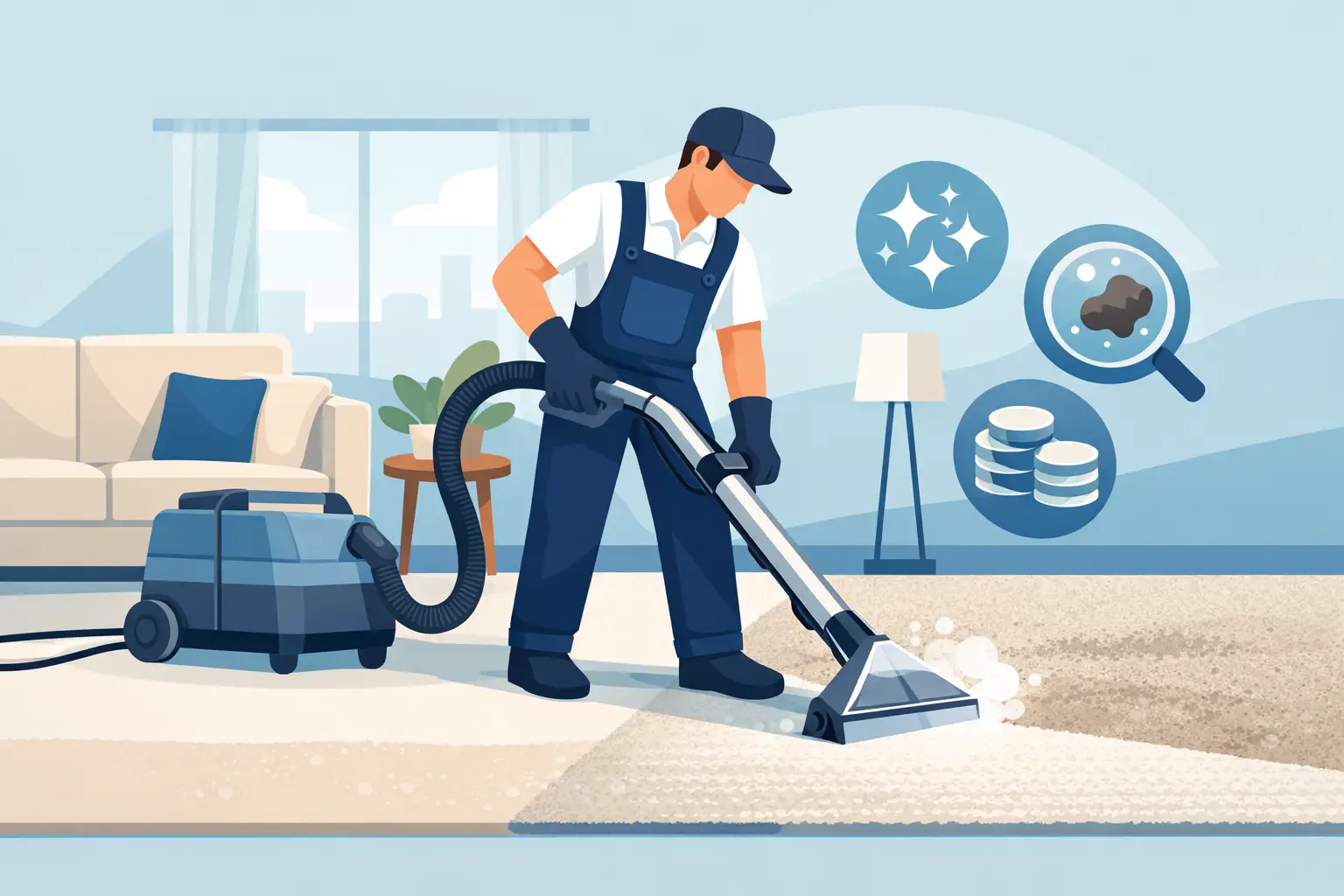
A carpet can look acceptable from the doorway while holding far more than everyday life suggests. Fine dust settles below the surface, shoes bring in grit, pets leave hair and odours, and spills can linger long after the visible mark has faded. Professional carpet cleaning gives busy homes, rental properties and workplaces a proper reset without adding another demanding job to your week.
For many households, it is not about making carpet look new every month. It is about keeping rooms fresher, protecting a significant investment in flooring, and dealing with the spots and smells that regular vacuuming cannot reach.
What regular vacuuming cannot remove
Vacuuming matters. It lifts loose dirt, crumbs, hair and surface dust before they are walked deeper into the pile. In high-traffic areas such as hallways, living rooms and office entryways, vacuuming several times a week can make a noticeable difference.
But vacuuming does not remove everything. Small abrasive particles settle around carpet fibres and can gradually make the pile appear dull or flattened. Oils from feet, cooking residue, pet accidents and drink spills can also cling to fibres. A carpet may not look heavily stained, yet still feel less fresh or show darker pathways where people walk most often.
Deep cleaning is designed to address that build-up. The right approach depends on the carpet material, its age, how soiled it is and whether there are specific issues such as stains, pet odours or a move-out inspection ahead. This is why a one-size-fits-all treatment is rarely the best answer.
Signs carpet cleaning should move up your to-do list
A clear stain is an obvious reason to arrange a clean, but it is not the only one. If a room has an ongoing musty or pet-related smell, if the carpet looks darker along walkways, or if it does not feel fresh after vacuuming, professional attention is often worthwhile.
It can also help after a busy period at home. School holidays, visitors, wet weather, indoor entertaining and renovation work all bring extra dirt through the door. For commercial spaces, a carpet clean can support a more professional first impression for staff, clients and tenants, particularly in reception areas and meeting rooms.
Renters should consider timing carefully. Leaving carpet cleaning until the final days before handover can create unnecessary pressure, especially if stains need additional treatment or drying time. Booking it as part of an organised move-out clean gives you more breathing room before the property inspection.
Families with young children or pets may choose more frequent cleaning for practical reasons. So might allergy-conscious households, although carpet cleaning is only one part of a clean indoor environment. Regular vacuuming, ventilation and prompt attention to spills still play a role.
How often should carpets be professionally cleaned?
There is no single schedule that suits every property. A quiet household with no pets may only need professional cleaning every 12 to 18 months. A family home with children, pets or several high-use rooms may benefit from a clean every 6 to 12 months.
Commercial carpet cleaning is usually driven by foot traffic. An office with a small team may need periodic cleaning to maintain appearance, while customer-facing premises may require more frequent attention in entryways and shared areas. Property managers may also set requirements for end-of-lease cleaning, so it is sensible to check the tenancy agreement rather than assume.
The most useful question is not, “How dirty does the carpet look?” It is, “How much use is it getting?” Dirt accumulates gradually, and waiting until a carpet appears heavily soiled can make restoration more difficult.
Choosing the right carpet cleaning method
Professional cleaners may use hot water extraction, low-moisture cleaning or targeted spot treatment. Each method has a purpose, and the best option depends on the job.
Hot water extraction is commonly chosen for a thorough clean because it helps lift embedded soil from deep within the carpet. It can be especially useful for heavily used rooms and general refreshes. However, the carpet needs time to dry, and drying can take longer in humid weather, poorly ventilated rooms or thick carpet.
Low-moisture methods can be a practical choice where fast turnaround is important, such as workplaces that need rooms ready for use promptly. They may not be the best solution for every heavily soiled carpet, so an honest assessment before work begins matters.
Stain treatment requires its own judgement. Different stains respond differently. Coffee, red wine, ink, grease and pet accidents should not be treated with the same product or technique. Applying a supermarket cleaner without checking its suitability can sometimes set a stain, leave residue or affect carpet colour. When in doubt, blot the spill gently with a clean cloth, avoid vigorous scrubbing, and arrange professional advice.
Preparing your home or workplace for a better result
A little preparation helps the appointment run smoothly and allows the cleaning team to focus on the carpet itself. Clear small items, toys, cables and fragile belongings from the floor. If possible, move lightweight furniture from the areas being cleaned, or confirm beforehand what the service includes for furniture movement.
It is also helpful to point out stains, pet areas and places where drinks or food have been spilled. A mark that has been there for months may still improve, but expectations should be realistic. Some stains permanently alter dye or damage fibres, and no responsible cleaner should promise complete removal before inspecting the carpet.
After cleaning, allow adequate drying time before returning furniture or walking heavily on the carpet. Open windows where conditions allow, use fans if available, and keep children and pets off damp areas. Avoid placing heavy furniture back too soon, as this can leave impressions or slow drying.
Why trained cleaners make a difference
Carpet care involves more than operating a machine. A trained cleaner needs to identify carpet fibres, assess soil levels, choose suitable products and avoid over-wetting. Too much moisture can extend drying time and create avoidable problems, while insufficient rinsing may leave residue that attracts dirt again.
Trust matters just as much in homes and offices. When you book a professional service, you are inviting people into spaces that matter to you. A reliable provider should offer clear communication, trained and vetted staff, straightforward booking and an approach that respects your schedule and property.
For recurring household or commercial cleaning, consistency is especially valuable. A team that understands your space can spot changing needs early, whether that means arranging a carpet refresh before a function, addressing a spill quickly, or coordinating cleaning around office hours. House Cleaner takes this practical, customer-focused approach across its cleaning services, with the aim of making dependable care easier to arrange.
Keeping carpets fresher between appointments
Professional cleaning works best alongside simple regular habits. Vacuum high-traffic zones more often than rooms that are rarely used, and deal with spills as soon as possible. Place mats at external doors to reduce grit from shoes, particularly during wet weather, and ask visitors to remove shoes where that suits your household.
Be cautious with DIY spot products. Test any product in a hidden area first, use only a small amount, and do not soak the carpet. Blot from the outside of a spill towards the centre to reduce spreading. If the stain is large, oily, coloured or caused by a pet accident, attempting several treatments can make professional removal harder.
For offices, encourage staff to report spills rather than covering them with a chair or waiting until the next general clean. Prompt action protects the carpet and prevents minor incidents becoming permanent-looking marks.
A clean carpet changes how a room feels underfoot and how confidently you welcome people through the door. When your flooring is carrying the marks of everyday life, arranging expert care is a practical way to restore freshness and make the space easier to enjoy.
A cleaning quote should take the guesswork out of getting help at home or work, not create more questions. Online cleaning quotes are useful because they let you describe the job, compare service options and arrange a suitable time without spending your day on the phone. The key is knowing what the price actually covers before a cleaner arrives at your door.
For a busy family, tenant, property manager or business owner, the cheapest figure is not always the best value. A clear quote from a dependable cleaning company helps you plan your budget, protect your time and set the right expectations for the result.
Why online cleaning quotes are worth using
Online quoting makes booking easier when life is already full. You can request a quote after work, while managing a move, or between meetings, then choose services that suit the property rather than accepting a one-size-fits-all package.
It also encourages clearer communication from the start. A useful quoting form will ask about the size of the property, the number of bedrooms or bathrooms, the type of clean required and any areas needing extra attention. That information gives the cleaning team a realistic picture of the work involved.
For recurring weekly or fortnightly services, an online quote is particularly helpful. You can establish the expected scope early, arrange a regular time and avoid having to repeat the same details before every visit. Consistency matters when you want a cleaner who understands how your household or workplace runs.
What a good cleaning quote should tell you
A quote is more than a total dollar amount. It should explain the service well enough for you to understand what will happen on the day. If the wording is vague, ask for clarification before booking. This is especially important for move-out, after-renovation and commercial cleaning, where the workload can vary significantly.
The type of clean
General house cleaning, deep cleaning, end-of-lease cleaning and after-renovation cleaning are not interchangeable. A regular clean may focus on maintaining kitchens, bathrooms, floors, dusting and tidying key living areas. A one-off deep clean often takes more time because it addresses built-up grime, neglected surfaces or detailed areas that are not included in every regular visit.
Move-in and move-out cleaning can involve cupboards, skirting boards, inside appliances and other areas required to present a property properly. After-renovation work may include fine dust removal, cleaning inside newly fitted cupboards and extra attention to floors and windows. The quote should identify the service category so there is no confusion later.
The included areas and tasks
Look for a practical description of rooms and tasks. For example, does the kitchen clean include bench tops, splashbacks, the cooktop and the exterior of appliances? Are bathrooms being cleaned in full, including showers, toilets, basins and mirrors? Will bedrooms be dusted and vacuumed, or are linen changes also requested?
You do not need a long technical checklist for every job, but you do need enough detail to know what is included. If you need carpet cleaning, window cleaning, curtain cleaning or oven cleaning, check whether it is part of the quoted service or an additional item.
The conditions affecting access
Access can affect both timing and cost. Apartments may have limited visitor parking, a long walk from the car park, lift restrictions or building management rules. Commercial sites may require cleaning outside business hours, security sign-in procedures or particular safety requirements.
Let the company know about stairs, pets, gates, parking and any access instructions when requesting your quote. Providing these details early helps the team arrive prepared and reduces the risk of delays on the day.
Any extra charges or exclusions
A trustworthy quote should make additional costs easy to understand. Depending on the job, these may relate to heavy build-up, internal windows, large balconies, high-access areas, specialised equipment, parking fees or extensive rubbish removal.
This does not mean every cleaning job will attract extras. It means the company should be upfront about circumstances that may change the price or require more time. If a quote seems unusually low, it is sensible to ask what has been excluded rather than assume every task is covered.
Whether GST is included
For home and business cleaning in Australia, it is useful to confirm whether the displayed price includes GST. This is a straightforward question, but it prevents surprises when you are approving a budget or reconciling an invoice for a business property.
The details that make a quote more accurate
The more honest and specific your request is, the more useful the quote will be. A two-bedroom apartment that is regularly maintained is very different from a two-bedroom apartment being prepared for handover after several years. Neither situation is a problem, but each needs a different amount of time and attention.
When completing an online form, include the property type, number of rooms, bathrooms and occupants where relevant. Mention whether you need a one-off clean or ongoing service. If there are priorities, such as a bathroom needing extra work, a carpet stain, pet hair or a tight inspection deadline, say so clearly.
Photos can be useful where a provider offers that option, particularly for after-renovation work, large commercial spaces or jobs with visible build-up. They help the cleaning team assess the scope without making assumptions. For a standard recurring house clean, a clear written description is often enough.
It is also wise to separate your must-have tasks from nice-to-have requests. If your main goal is a spotless kitchen and bathrooms before guests arrive, tell the cleaner. If you would like inside cupboards cleaned only if time permits, make that clear too. Good priorities help the team use the booked time where it matters most to you.
Comparing online cleaning quotes fairly
Comparing prices only works when you are comparing like for like. One quote may allow for a quick maintenance clean, while another includes deeper detailing, cleaning supplies, trained staff and additional time for the same rooms. The total figures can look far apart even though the services are not equivalent.
Before deciding, compare these parts of each offer:
the cleaning scope and any optional extras;
the estimated duration or team size;
whether supplies and equipment are provided;
the provider’s approach to staff training, vetting and insurance; and
cancellation terms, payment arrangements and any conditions that may alter the price.
Reliability has value, especially when you are handing over a rental, preparing an office for clients or arranging regular help around family commitments. A company with trained, background-checked cleaners and a clear process may cost more than an informal arrangement, but it can offer greater peace of mind and accountability.
For ongoing cleaning, ask whether the same cleaner can be scheduled for repeat visits. A familiar cleaner learns your preferences, understands the layout of the property and can maintain a more consistent standard over time. House Cleaner places particular focus on this continuity because a recurring service should feel easier with every visit, not like starting again each fortnight.
When an instant quote may need confirmation
Instant pricing is convenient for standard jobs, but some properties need a final review before the quote can be confirmed. This is normal, not a warning sign. Very large homes, heavily soiled spaces, post-build clean-ups, high windows, commercial premises and end-of-lease jobs with extensive extras can be difficult to assess from room numbers alone.
A professional provider may ask follow-up questions or recommend a site inspection for complex work. That protects both sides. You get a more realistic price, and the cleaning team can allow the right people, equipment and time to complete the job properly.
Be cautious if a company promises a fixed outcome without asking anything about condition, access or the requested tasks. Cleaning is practical work, and practical details matter. A fair provider will be confident about its service while being transparent about what needs to be confirmed.
Before you accept the quote
Take a minute to check the booking date, arrival window, property address and contact details. Confirm how the cleaner will gain access and whether you need to be present. If you have pets, fragile items or rooms that should not be entered, include clear instructions before the visit.
For a move-out clean, keep your property manager’s requirements handy and advise the cleaner if there is a specific checklist to follow. For office cleaning, identify the areas that must be ready first, such as reception, meeting rooms, kitchens or bathrooms. Small details shared early can prevent last-minute stress.
The best quote is the one that gives you confidence as well as a price. Choose a service that listens carefully, explains the scope plainly and treats your home or workplace with the care it deserves. Then you can book knowing your cleaning plan is built around your needs, not guesswork.
A cleaner should make your week easier, not leave you wondering who will arrive, what will be cleaned, or whether the result will be worth the cost. Knowing how to choose house cleaners starts with looking beyond the lowest quote. The right service gives you back time, respects your home and delivers the same dependable standard each visit.
For busy families, professionals, renters and property managers, a good cleaner becomes part of a smoother routine. Whether you need a one-off deep clean before guests arrive or fortnightly help to keep on top of everyday mess, the decision comes down to trust, fit and clear expectations.
Start with the clean you actually need
Before comparing cleaning companies, be clear about the outcome you want. A regular house clean is designed to maintain kitchens, bathrooms, floors and living spaces. It is different from a detailed spring clean, an end-of-lease clean or an after-renovation service, where more intensive work is usually needed.
Think about your home, lifestyle and pressure points. A family with young children may need regular attention to bathrooms, floors and high-touch areas. A household with pets may prioritise hair removal and vacuuming. If you are moving, your property manager may require a more detailed scope, including inside cupboards, ovens or windows.
Be specific when requesting a quote. Tell the provider the number of bedrooms and bathrooms, whether there are stairs, the condition of the home and any areas needing extra attention. This helps the company allow the right amount of time and prevents surprises on cleaning day.
Match the frequency to your routine
Weekly cleaning works well for busy households, shared homes and spaces that see heavy use. Fortnightly cleaning is often enough for smaller households that stay reasonably tidy between visits. A one-off service can be ideal before a celebration, after a renovation or when life has simply become too busy.
There is no benefit in booking a frequency that does not suit your budget or routine. A reliable provider should help you choose a practical schedule, rather than pushing a service you do not need.
Check who will be in your home
Inviting a cleaner into your home requires confidence. Price matters, but vetting and training matter more. Ask whether cleaners are background checked, trained and covered by appropriate insurance. These are practical protections, not optional extras.
A professional cleaning company should be able to explain how it recruits its team, manages quality and handles concerns if something does not go to plan. You should also know whether the service uses employees, contractors or a mix of both. The arrangement itself is not necessarily a problem, but clear accountability is essential.
For regular cleaning, ask if the company can send the same cleaner or consistent team. Familiarity makes a genuine difference. Your cleaner learns how your household works, where you keep supplies and which details matter most to you. It also avoids the inconvenience of explaining your preferences from the beginning every visit.
Ask about insurance and breakages
Accidents are uncommon, but they can happen in any home. A reputable provider will have a straightforward process for reporting damage or concerns. Ask what insurance cover is in place and how claims are handled before booking, especially if you have delicate furniture, valuable items or special finishes.
Put away jewellery, cash, important documents and irreplaceable items before any service. This is sensible preparation, not a reflection on the cleaner. It gives everyone greater peace of mind.
Look for clear inclusions, not vague promises
“General cleaning” can mean different things to different companies. A detailed checklist protects both you and the cleaning team. It should set out the rooms included, the standard tasks performed and the extras that cost more.
For example, a regular clean may include wiping benches, cleaning sinks and toilets, dusting accessible surfaces, vacuuming and mopping. Oven cleaning, internal windows, wall washing, carpet steam cleaning and inside-cupboard cleaning are often separate services because they require more time, equipment or specialised products.
Ask whether cleaning products and equipment are supplied. This can be a major convenience, particularly if you prefer not to keep a cupboard full of products. If you have allergies, pets, babies or a preference for certain products, raise this before the first visit. A caring cleaning team will take reasonable instructions seriously.
Compare quotes fairly
The cheapest price is not always the best value. A very low quote can mean rushed work, limited inclusions, inexperienced staff or unexpected add-ons later. Instead of comparing only the hourly rate or final figure, compare what each provider has allowed for.
A useful quote should make clear whether it is fixed-price or hourly, how long the clean is expected to take, what is included and whether there are minimum booking periods. Also ask about cancellation terms, public holiday pricing and fees for last-minute changes.
A fixed quote can provide certainty when the scope is well defined, such as a move-out clean. Hourly pricing may suit an ongoing arrangement where you want the cleaner to focus on priorities within an agreed time. Neither option is automatically better. It depends on how predictable the work is and how much flexibility you want.
Pay attention to booking and communication
Cleaning is easier to maintain when the administration is simple. Online booking and payment can save time, but the real test is how easy it is to get answers, update instructions or reschedule when your plans change.
Notice how a company communicates before you book. Are they prompt, polite and clear? Do they ask useful questions about your home? Can you contact a real person if you need help? These early interactions often reflect the service you will receive later.
Clear arrival windows are equally valuable. You may not need a cleaner to arrive at the exact minute, but you should know when to expect them and be notified if there is a delay. Reliability is not just about sparkling floors. It is about a service that fits around work, school runs, appointments and everyday life.
Read reviews with a practical eye
Reviews can reveal patterns that a polished service page cannot. Look for comments about punctuality, consistency, respectful staff, communication and how the company resolved an issue. One unhappy review does not tell the full story, particularly if the business responded professionally and tried to make things right.
Give more weight to detailed reviews than broad statements. A customer who explains that their cleaner was on time, followed instructions and maintained the same standard over several months provides more useful insight than a simple five-star rating.
If you are arranging cleaning for a rental property, office or multiple properties, ask whether the provider has experience with those requirements. Commercial cleaning and end-of-lease work involve different expectations from a regular home clean.
Set expectations before the first visit
The first clean is your opportunity to establish a working relationship. Share your priorities clearly. Perhaps you want extra care around a home office, prefer products without strong fragrances or need the cleaner to avoid a room while someone works from home. Simple notes can prevent confusion.
Make access arrangements clear too. Decide whether you will be home, leave a key in a secure location or provide building access instructions. If you have pets, let the company know their temperament and whether they should be kept in a separate room. A little preparation helps the clean run smoothly and safely.
It is also reasonable to give feedback after the first visit. If something was missed, raise it promptly and specifically. A dependable provider will welcome the chance to understand your expectations and improve the next service.
Choose a partner, not just an available time slot
The best cleaning service is one you can book with confidence again and again. It combines trained, vetted cleaners with a clear scope, fair pricing and communication that respects your time. For recurring support, consistency is often worth more than saving a few dollars on a single visit.
House Cleaner understands that a clean home is not simply about appearances. It is about coming back to a space that feels manageable, comfortable and cared for. Choose a provider that listens from the first enquiry, and your cleaning routine can become one less thing to carry each week.
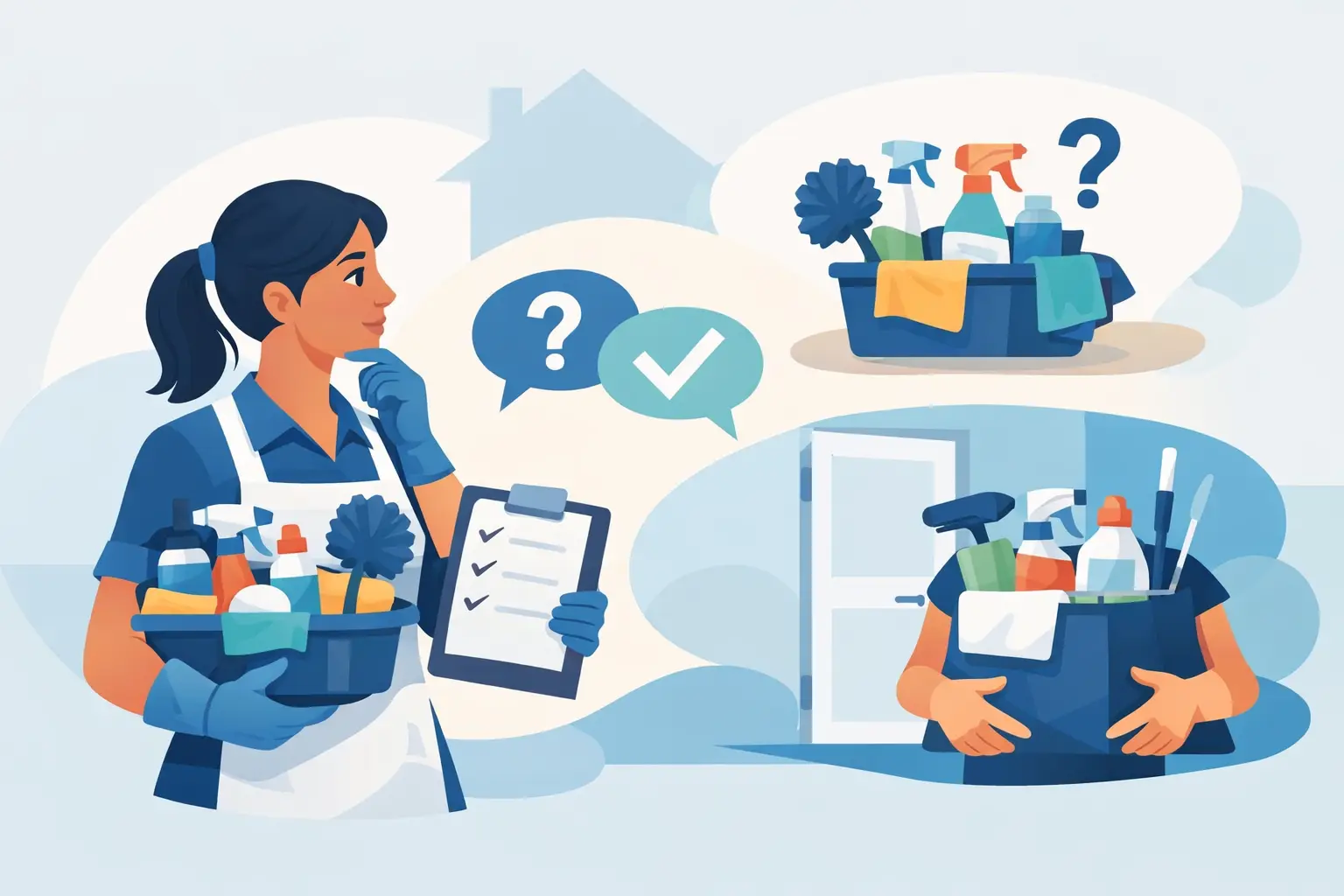
You have booked a cleaner, cleared the kitchen bench and put the washing away. Then one practical question comes to mind: do cleaners bring their own supplies? In most cases, professional cleaners bring the equipment and everyday products needed to complete the agreed service. But the exact answer depends on the cleaning company, the type of clean and any special requests you have.
Knowing what is included before the visit removes awkward last-minute shopping trips and helps your cleaner spend their time where it matters – making your home or workplace feel properly clean.
Do cleaners bring their own supplies for a standard clean?
For a standard residential or commercial clean, a professional cleaning team will usually arrive with the core supplies required for routine work. This commonly includes cloths, sponges, gloves, a mop and bucket or flat mop system, vacuum cleaner, dusting tools and general-purpose cleaning products.
They may also carry products for bathrooms, kitchens, glass and floors. These supplies are selected for regular use across many properties, so trained cleaners understand how to use them safely and efficiently on common household surfaces.
That said, “supplies included” does not always mean every possible product or piece of equipment is included. A regular clean is designed around ongoing maintenance: dusting, vacuuming, mopping, wiping surfaces, cleaning bathrooms and tidying kitchen areas. It is not automatically the same as a detailed carpet treatment, oven clean, exterior window clean or after-renovation service.
The best approach is simple: check what is included when you request your quote or book online. A dependable cleaning provider should be clear about what their team brings and whether your particular job needs anything extra.
What a cleaner will usually bring
A caring cleaning team needs practical tools that are hygienic, reliable and suited to the job. For most appointments, cleaners bring the everyday items that allow them to start work straight away rather than relying on what happens to be under your sink.
This is particularly helpful for busy households, renters preparing for an inspection and office managers who need cleaning handled without extra administration. You should not have to remember to buy cloths, replace a worn mop head or find a half-empty bottle of bathroom spray before every visit.
Professional-grade supplies can also support more consistent results. Cleaners use familiar equipment and products, which helps them work methodically from room to room. For recurring weekly or fortnightly services, this consistency matters. Your home receives the same standard of care each visit, rather than a different result based on whichever products are available that day.
When you may need to provide products or equipment
There are a few situations where your cleaner may ask you to provide something specific. This is not a sign of poor service. Often, it is the safest way to protect surfaces, respect your preferences or meet the requirements of a specialised task.
Sensitive surfaces and preferred products
Natural stone, unsealed timber, delicate tapware and certain engineered surfaces can be damaged by the wrong cleaner. If your benchtop or flooring manufacturer recommends a particular product, let the cleaning company know before the appointment. You may prefer to supply the approved product, or the company may be able to confirm whether its products are suitable.
The same applies if someone in the household has allergies, asthma, fragrance sensitivities or a strong preference for eco-conscious cleaning products. Tell the team in advance, rather than waiting until they arrive. A good provider can discuss the available options and avoid unsuitable products where possible.
Specialist cleaning services
Some jobs call for specialist machinery or treatments rather than standard cleaning supplies. Carpet cleaning may require extraction equipment and appropriate solutions. Window cleaning can involve water-fed poles or access equipment. Curtain cleaning, mould treatment and after-renovation cleaning each have their own requirements.
These services are usually quoted separately because the time, equipment and level of expertise differ from a routine clean. If you need one of these tasks completed, be specific when booking so the right team and supplies can be arranged.
Equipment already in your home or office
Some companies may ask to use your vacuum cleaner or mop for regular visits, particularly where there are concerns about cross-contamination, pet hair or allergies. Others bring their own equipment as standard. There is no single rule that applies to every service.
For commercial cleaning, the arrangement can depend on the size of the premises and storage access. A small office may prefer the cleaning team to bring everything, while a larger workplace may keep consumables or equipment on site. The key is agreeing on responsibilities before the first service.
What you should tell your cleaner before they arrive
Clear information leads to a better clean. When booking, mention any delicate materials, persistent stains, pets, access restrictions or areas that need extra attention. A cleaner can plan for a coffee spill on the carpet, built-up soap scum in the shower or pet hair on the lounge far better when they know about it beforehand.
It is also helpful to flag any products you do not want used. For example, you may not want bleach in the bathroom, strongly scented sprays in bedrooms or particular products near a baby’s play area. Professional cleaners are there to make life easier, not to make assumptions about your home.
If you are booking a move-in, move-out or end-of-lease clean, ask whether the service includes cleaning inside cupboards, the oven, internal windows, skirting boards and wall marks. These tasks are often available, but inclusions can vary according to the package and condition of the property.
A quick way to prepare for cleaning day
Your cleaner can clean more thoroughly when surfaces and floors are accessible. You do not need to clean before the cleaner arrives, but putting away loose items, important paperwork and valuables gives the team room to work efficiently.
Make sure they can access the property and any areas included in the booking. If you will not be home, confirm the key, lockbox or building-entry arrangement in advance. For apartment residents, this may include parking instructions, lift access or concierge requirements.
If you are providing a preferred product, place it somewhere obvious and label it clearly. A brief note is useful when there are several products in the cupboard. This avoids confusion and makes sure the cleaner uses the correct item on the correct surface.
Why supply arrangements matter for recurring cleans
A recurring cleaning service works best when expectations are settled early. Once your cleaner knows your home, your priorities and your product preferences, each visit becomes more efficient. You are not explaining the same details every fortnight, and the cleaner can maintain the areas that matter most to you.
Keeping the same cleaner where possible also builds trust. They become familiar with your preferred cleaning approach, whether that means extra care around a pet’s bedding, a fragrance-free bathroom routine or more attention to high-touch surfaces in a busy family home.
At House Cleaner, trained and vetted cleaners are supported by clear service planning so customers know what to expect before the work begins. That clarity is especially valuable when cleaning becomes part of your regular routine rather than another task to manage.
Questions worth asking before you book
You do not need a long checklist. A few direct questions will usually give you the answer you need. Ask whether cleaning products and equipment are included, whether the team brings a vacuum and mop, and whether there is an additional charge for specialised work.
It is also sensible to ask how the company handles allergies, delicate surfaces and customer-supplied products. If you want the same cleaner for regular appointments, ask whether that can be arranged. These details help you choose a service that fits your household or workplace, not just the lowest advertised price.
Can I ask cleaners to use my own products?
Usually, yes. Many customers supply preferred products for health, scent or surface-care reasons. Let the company know in advance and ensure the products are clearly labelled and safe to use.
Do I need to provide rubbish bags and toilet paper?
This varies by provider and service type. General cleaning supplies may be included, while ongoing consumables such as bin liners, hand soap and toilet paper are commonly supplied by the household or business. Confirm this before the first visit.
What if I need a task that is not part of the standard clean?
Tell the cleaning company when you book. Tasks such as inside-oven cleaning, carpet cleaning, detailed window cleaning or post-renovation dust removal may need extra time, equipment or a separate quote.
A professional clean should feel like a weight lifted, not a job that creates more questions. Confirm the supplies arrangement early, share any special requirements, then let your cleaning team get on with giving you back time for the things that matter.
The first person to unlock your workplace should not have to start the day by wiping benches, emptying bins or wondering whether the bathroom has been cleaned. A clear commercial cleaning checklist turns cleaning from a last-minute job into a dependable routine that protects staff comfort, customer confidence and the condition of your premises.
The right schedule will look different for a quiet professional office, a busy retail space or a shared medical-style reception area. What matters is assigning the right tasks at the right frequency, then making sure the standard is consistently delivered.
Start with the areas people notice first
Cleaning priorities should reflect how your workplace is used. Entry points, reception desks, meeting rooms, kitchens and washrooms affect the first impression visitors take away. High-touch surfaces also need more regular attention than a storage room that is rarely opened.
Walk through the premises at the busiest point of a typical day. Look for the areas where rubbish gathers, floors become marked, fingerprints show, or supplies run low. This gives you a practical starting point for a schedule rather than relying on a generic task list.
It also helps to separate routine cleaning from periodic work. Daily cleaning keeps the workplace presentable and hygienic. Weekly and monthly work deals with detail, build-up and harder-to-reach areas that are easy to miss when a cleaner is working around staff and customers.
Daily commercial cleaning checklist
Daily tasks should focus on hygiene, presentation and the spaces used by multiple people. In a busy office or customer-facing business, these are the jobs that prevent a small issue from becoming a visible problem by the next morning.
Empty rubbish and recycling bins, replace liners where needed and remove waste from kitchen and bathroom areas.
Wipe and disinfect high-touch points, including door handles, light switches, lift buttons, shared desks, counters, tapware and appliance handles.
Clean and restock washrooms, including toilets, basins, mirrors, soap, toilet paper and hand towels or hand-dryer areas.
Wipe kitchen benches, tables, sinks and splashbacks, clean the microwave if required, and leave communal spaces tidy for the next day.
Vacuum carpets and mats in high-traffic areas, then mop hard floors with a suitable product for the surface.
A daily checklist should also include a quick visual inspection. Are the windows at the entrance marked with fingerprints? Is the reception area orderly? Are there spills, stains or odours that need attention? These checks take little time but make the difference between a workplace that looks maintained and one that feels neglected.
For businesses with staggered hours, daily cleaning may need to happen before opening, after closing or in quieter periods. The best timing is the one that allows cleaners to work thoroughly without disrupting your team or customers.
Weekly tasks that keep standards from slipping
Weekly cleaning goes beyond the obvious surfaces. It is where your cleaner can address dust, detail work and areas that need more time than a daily visit allows.
Dust desks, shelves, skirting boards, window ledges and accessible vents. Clean interior glass, spot-clean walls and remove marks around switches, door frames and corridors. Meeting rooms should receive particular attention, as they often host clients and can quickly collect fingerprints, food crumbs and coffee spills.
Kitchen cleaning should include the exterior of cupboards and larger appliances, along with a more careful clean of the fridge, dishwasher and rubbish bin surrounds. If staff bring lunches to work, set a clear rule about food left in shared fridges. A cleaning team can clean the appliance, but removing old food is usually best handled by the workplace manager before the service.
Weekly floor care depends on the material. Carpets may need spot treatment in addition to vacuuming, while vinyl, tiles and sealed timber need the correct cleaning method to avoid dullness or residue. Using a product that is too harsh can cause problems over time, especially on specialised commercial flooring.
Monthly and periodic cleaning tasks
Some jobs do not belong on a daily or weekly roster, but they should not be forgotten. Monthly cleaning gives your premises a more complete reset and helps preserve fittings, floors and furnishings.
Include deep cleaning of bathrooms, detailed dusting behind accessible furniture, cleaning of internal window frames and ledges, and a careful review of corners, edges and low-traffic rooms. Upholstered chairs, fabric partitions and carpeted areas may need vacuuming with suitable equipment or occasional professional carpet cleaning, depending on use.
Windows are another example of a task that depends on the site. Internal glass in a reception area may need weekly attention, while external window cleaning may be scheduled monthly, quarterly or more often in locations exposed to dust, rain marks or heavy foot traffic. A street-facing shopfront generally needs a more frequent service than upper-level office windows.
Seasonal checks are worthwhile too. Before a busy trading period, staff event or office move, arrange a deeper clean that covers areas normally worked around. After renovations, a standard maintenance clean is rarely enough. Fine construction dust, adhesive residue and paint splashes need an after-renovation cleaning plan and the right equipment.
Make responsibilities clear
A checklist only works when everyone understands who is responsible for each item. Your cleaning provider can manage scheduled tasks, but staff still need to keep personal desks clear enough to clean and report spills or maintenance issues promptly.
Create a simple scope that lists the areas covered, the cleaning frequency and any exclusions. For example, cleaners may wipe desk surfaces only where paperwork and personal belongings have been removed. They may restock client-supplied consumables, while your business remains responsible for ordering them. Clear boundaries prevent disappointment and make service quality easier to review.
It is also sensible to nominate one contact person. They can communicate access arrangements, report changes to operating hours and raise any concerns quickly. This is especially useful for recurring cleaning, where a consistent cleaner or team learns the layout, preferences and priorities of your workplace over time.
Choose the right frequency for your premises
There is no single schedule that suits every business. A small office with five staff may be well served by a fortnightly clean, provided the team manages bins and kitchen mess between visits. A larger office, retail location or shared workplace may need daily service to keep washrooms, floors and common areas at an acceptable standard.
Consider the number of people using the space, the volume of visitors, the type of work performed and the expectations attached to your brand. A client-facing financial office may prioritise spotless reception areas and meeting rooms. A warehouse office may need more attention around entryways and dust control. Businesses with food preparation, vulnerable clients or stricter industry requirements should seek advice on their particular cleaning and hygiene obligations.
Cost matters, but the cheapest schedule is not always the most practical. Cutting a visit may save money in the short term, yet lead to stained carpets, worn floors, staff complaints or a poor customer impression later. The aim is a service plan that matches real use, not one that pays for unnecessary tasks.
Check quality without micromanaging
A dependable cleaning service should make your workplace easier to run, not create another job for your manager. Use a short quality check after the first few visits and whenever the scope changes. Focus on outcomes: clean washrooms, tidy kitchens, clear floors, fresh presentation and supplies where they should be.
If something is missed, report it early and specifically. A note such as “the meeting-room glass is still marked” is far more useful than “the clean was not right”. Good communication gives the cleaning team a fair chance to correct the issue and adjust the checklist for future visits.
At House Cleaner, trained and vetted cleaners can help businesses establish a recurring plan around their operating hours, workplace layout and cleaning priorities. Consistency is particularly valuable when customers and staff rely on the same standard every week.
A workplace does not need to look like a showroom. It simply needs to feel clean, cared for and ready for the people who rely on it. Review your checklist whenever your team, premises or trading hours change, and let the schedule do the quiet work of keeping standards high.