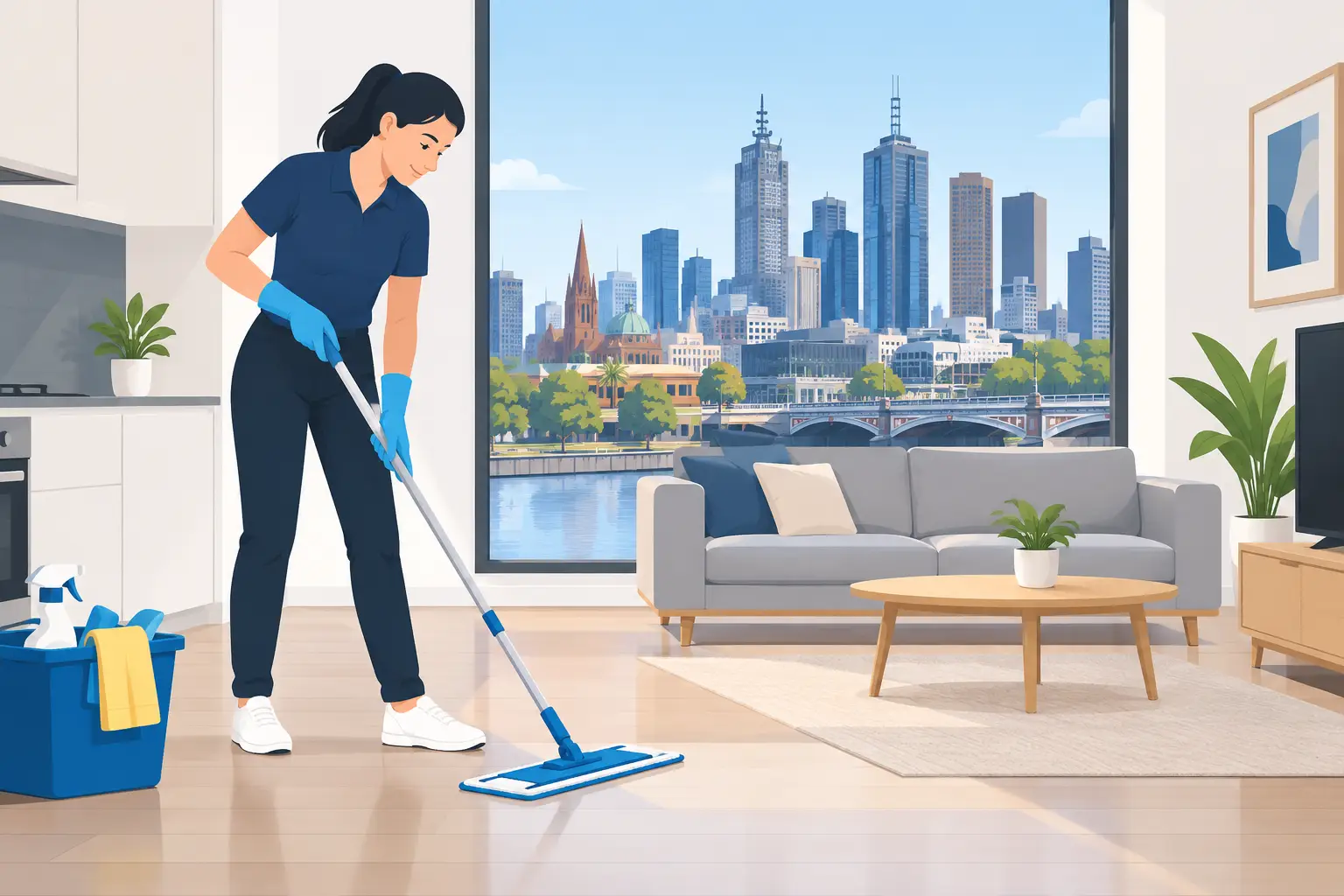
The final week of a tenancy is rarely quiet. There are boxes to pack, utilities to transfer, keys to return and an agent’s final inspection to prepare for. Melbourne rental property cleaning gives tenants a clear way to tackle the work without leaving the hardest jobs until the last night.
A clean property can support a smoother handover, but the goal is not to make an older home look brand new. Your responsibility is generally to return it in a reasonably clean condition, allowing for fair wear and tear. The entry condition report, the length of your tenancy and the condition of the property when you moved in all matter. Keeping that distinction in mind helps you spend time where it counts.
Start with the condition report, not the cleaning cupboard
Before buying products or booking a cleaner, read your entry condition report and look through any photos from move-in day. Compare each room honestly. A marked wall, worn carpet path or ageing sealant may have been present when you arrived, while fresh grease on an oven or dust built up on blinds will usually be yours to address.
Take current photos before you begin, particularly if there is pre-existing damage, mould caused by a maintenance issue, or fixtures that do not work. Let the property manager know about repairs rather than trying to disguise them with a rushed clean. Cleaning and maintenance are different jobs, and confusing the two can create unnecessary disputes.
Then check your rental agreement for any specific requirements. Some agreements require a professional carpet clean if pets were kept at the property or if the carpet was professionally cleaned before the tenancy. Do not assume every rental has the same terms.
Build your Melbourne rental property cleaning plan by room
A room-by-room plan prevents the common mistake of polishing visible surfaces while forgetting the places inspectors routinely check. Work from high areas to low ones, and from dry jobs to wet jobs. That way, dust and debris are not landing on a floor you have already cleaned.
Kitchen: focus on grease, crumbs and cupboards
The kitchen often takes the longest because grease settles beyond the benchtop. Empty cupboards and drawers, then vacuum or wipe out crumbs before using a mild cleaner. Pay attention to handles, splashbacks, the rangehood exterior and the top of upper cabinets, where grease and dust can form a sticky layer.
The oven needs time, not aggressive scrubbing. Remove racks where possible, use an appropriate oven product according to its instructions, and allow it to work before wiping. Clean the door glass, seals and trays as far as the appliance design permits. Avoid harsh abrasives on glass cooktops or delicate surfaces, as scratches can cause a bigger problem than a remaining mark.
Finish by wiping the sink, taps and drain area, cleaning inside the dishwasher if included, and checking behind movable appliances only where it is safe to do so. Do not pull out a heavy fridge or stove if it risks damage to flooring, plumbing or yourself.
Bathroom and laundry: allow products time to work
Soap scum, mineral deposits and mildew need dwell time. Apply a suitable bathroom cleaner to the shower, bath, basin and tiles, then move to another task while it works. Return to scrub gently, rinse well and dry fixtures to reduce streaks.
Inspect shower screens, tracks, grout, exhaust fans, toilet bases and the space behind taps. These are easy to overlook when cleaning in a hurry. If there is mould, treat it carefully with the right product and ventilation. Persistent mould connected to leaks, poor ventilation or building issues should be reported rather than treated as a purely cosmetic problem.
In the laundry, wipe inside and around the trough, clean lint or detergent residue from accessible areas, and remove rubbish from cupboards. Check that no belongings are left behind, including washing powder on shelves or pegs in outdoor areas.
Bedrooms and living areas: do the detail work
Dust ceilings fans, light fittings where safely accessible, skirting boards, window ledges and the tops of doors. Wipe switches and handles, taking care not to soak electrical fittings. Vacuum upholstered surfaces if they belong to the property, and make sure wardrobes are empty and clean inside.
For hard floors, vacuum first and then mop with a product suited to the surface. Too much water can damage timber, laminate and some vinyl flooring. On carpet, vacuum slowly in more than one direction, including edges and corners. Spot treatment can help with small marks, but test products discreetly first and avoid over-wetting the carpet.
Walls deserve a measured approach. Light marks may lift with a soft damp cloth, but vigorous rubbing can remove paint or leave shiny patches. If a wall needs repainting because of damage beyond normal wear, speak with the property manager rather than making an unapproved repair.
Windows, outdoor spaces and final touches
Clean internal window glass, tracks and ledges, then wipe mirrors until they are clear and streak-free. External windows can be difficult or unsafe to access, especially in apartments and multi-storey homes. Do not lean from windows or attempt work at height. A professional window cleaning service is the safer option when outside glass is part of the agreed scope.
Sweep balconies, courtyards and entryways, remove all personal items and clear loose leaves where practical. Put bins out if collection day is near, but do not leave rubbish behind in wheelie bins, cupboards, the letterbox or the garage. Finally, check light globes, remotes, keys and garage fobs against the property manager’s handover instructions.
When a professional clean is worth it
A DIY clean is realistic for many tenants, particularly when the property has been regularly maintained and there is enough time before handover. It can also be the more affordable choice if you already have the equipment and are confident with detailed cleaning.
Professional help is often worthwhile when time is tight, the property is large, the oven and bathrooms need intensive work, or you are moving out of an apartment with carpet, blinds and difficult-to-reach windows. It can also reduce the pressure of coordinating cleaners, removalists and key return on the same day.
Choose a service that understands end-of-lease expectations and can clearly explain what is included. Carpet cleaning, exterior windows, wall washing and heavy mould treatment may be separate services, so ask before booking. Keep receipts and any service records for your tenancy file. House Cleaner provides practical cleaning support for tenants who need a dependable, organised team for a move-out clean.
Give yourself a buffer before the final inspection
Aim to finish cleaning at least a day before the property is due back. That buffer gives you time to let floors dry, check rooms in natural light and correct small misses. Open every cupboard, look behind doors, inspect the oven again and walk through with your mobile phone camera as if you were documenting the home for the first time.
A simple final walk-through catches more than another hour of random scrubbing. Make sure all belongings are removed, taps are off, appliances are empty, rubbish is gone and keys are ready for return. If you find something that cannot reasonably be resolved before handover, communicate early and keep the conversation in writing.
Moving house is demanding enough. A calm, methodical clean helps you leave the property with confidence, protect your time and start the next chapter with one less task hanging over you.
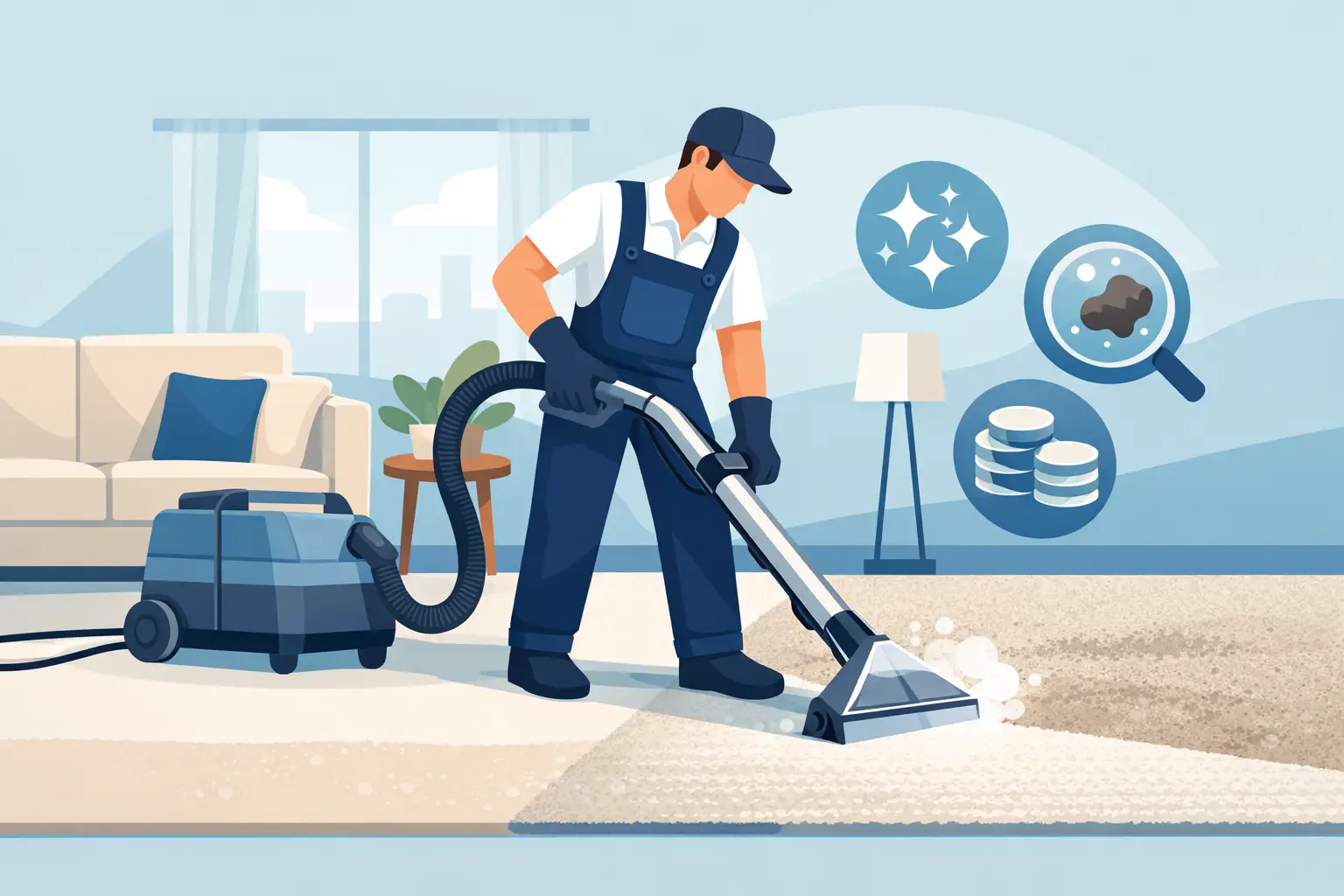
A carpet can look acceptable from the doorway while holding far more than everyday life suggests. Fine dust settles below the surface, shoes bring in grit, pets leave hair and odours, and spills can linger long after the visible mark has faded. Professional carpet cleaning gives busy homes, rental properties and workplaces a proper reset without adding another demanding job to your week.
For many households, it is not about making carpet look new every month. It is about keeping rooms fresher, protecting a significant investment in flooring, and dealing with the spots and smells that regular vacuuming cannot reach.
What regular vacuuming cannot remove
Vacuuming matters. It lifts loose dirt, crumbs, hair and surface dust before they are walked deeper into the pile. In high-traffic areas such as hallways, living rooms and office entryways, vacuuming several times a week can make a noticeable difference.
But vacuuming does not remove everything. Small abrasive particles settle around carpet fibres and can gradually make the pile appear dull or flattened. Oils from feet, cooking residue, pet accidents and drink spills can also cling to fibres. A carpet may not look heavily stained, yet still feel less fresh or show darker pathways where people walk most often.
Deep cleaning is designed to address that build-up. The right approach depends on the carpet material, its age, how soiled it is and whether there are specific issues such as stains, pet odours or a move-out inspection ahead. This is why a one-size-fits-all treatment is rarely the best answer.
Signs carpet cleaning should move up your to-do list
A clear stain is an obvious reason to arrange a clean, but it is not the only one. If a room has an ongoing musty or pet-related smell, if the carpet looks darker along walkways, or if it does not feel fresh after vacuuming, professional attention is often worthwhile.
It can also help after a busy period at home. School holidays, visitors, wet weather, indoor entertaining and renovation work all bring extra dirt through the door. For commercial spaces, a carpet clean can support a more professional first impression for staff, clients and tenants, particularly in reception areas and meeting rooms.
Renters should consider timing carefully. Leaving carpet cleaning until the final days before handover can create unnecessary pressure, especially if stains need additional treatment or drying time. Booking it as part of an organised move-out clean gives you more breathing room before the property inspection.
Families with young children or pets may choose more frequent cleaning for practical reasons. So might allergy-conscious households, although carpet cleaning is only one part of a clean indoor environment. Regular vacuuming, ventilation and prompt attention to spills still play a role.
How often should carpets be professionally cleaned?
There is no single schedule that suits every property. A quiet household with no pets may only need professional cleaning every 12 to 18 months. A family home with children, pets or several high-use rooms may benefit from a clean every 6 to 12 months.
Commercial carpet cleaning is usually driven by foot traffic. An office with a small team may need periodic cleaning to maintain appearance, while customer-facing premises may require more frequent attention in entryways and shared areas. Property managers may also set requirements for end-of-lease cleaning, so it is sensible to check the tenancy agreement rather than assume.
The most useful question is not, “How dirty does the carpet look?” It is, “How much use is it getting?” Dirt accumulates gradually, and waiting until a carpet appears heavily soiled can make restoration more difficult.
Choosing the right carpet cleaning method
Professional cleaners may use hot water extraction, low-moisture cleaning or targeted spot treatment. Each method has a purpose, and the best option depends on the job.
Hot water extraction is commonly chosen for a thorough clean because it helps lift embedded soil from deep within the carpet. It can be especially useful for heavily used rooms and general refreshes. However, the carpet needs time to dry, and drying can take longer in humid weather, poorly ventilated rooms or thick carpet.
Low-moisture methods can be a practical choice where fast turnaround is important, such as workplaces that need rooms ready for use promptly. They may not be the best solution for every heavily soiled carpet, so an honest assessment before work begins matters.
Stain treatment requires its own judgement. Different stains respond differently. Coffee, red wine, ink, grease and pet accidents should not be treated with the same product or technique. Applying a supermarket cleaner without checking its suitability can sometimes set a stain, leave residue or affect carpet colour. When in doubt, blot the spill gently with a clean cloth, avoid vigorous scrubbing, and arrange professional advice.
Preparing your home or workplace for a better result
A little preparation helps the appointment run smoothly and allows the cleaning team to focus on the carpet itself. Clear small items, toys, cables and fragile belongings from the floor. If possible, move lightweight furniture from the areas being cleaned, or confirm beforehand what the service includes for furniture movement.
It is also helpful to point out stains, pet areas and places where drinks or food have been spilled. A mark that has been there for months may still improve, but expectations should be realistic. Some stains permanently alter dye or damage fibres, and no responsible cleaner should promise complete removal before inspecting the carpet.
After cleaning, allow adequate drying time before returning furniture or walking heavily on the carpet. Open windows where conditions allow, use fans if available, and keep children and pets off damp areas. Avoid placing heavy furniture back too soon, as this can leave impressions or slow drying.
Why trained cleaners make a difference
Carpet care involves more than operating a machine. A trained cleaner needs to identify carpet fibres, assess soil levels, choose suitable products and avoid over-wetting. Too much moisture can extend drying time and create avoidable problems, while insufficient rinsing may leave residue that attracts dirt again.
Trust matters just as much in homes and offices. When you book a professional service, you are inviting people into spaces that matter to you. A reliable provider should offer clear communication, trained and vetted staff, straightforward booking and an approach that respects your schedule and property.
For recurring household or commercial cleaning, consistency is especially valuable. A team that understands your space can spot changing needs early, whether that means arranging a carpet refresh before a function, addressing a spill quickly, or coordinating cleaning around office hours. House Cleaner takes this practical, customer-focused approach across its cleaning services, with the aim of making dependable care easier to arrange.
Keeping carpets fresher between appointments
Professional cleaning works best alongside simple regular habits. Vacuum high-traffic zones more often than rooms that are rarely used, and deal with spills as soon as possible. Place mats at external doors to reduce grit from shoes, particularly during wet weather, and ask visitors to remove shoes where that suits your household.
Be cautious with DIY spot products. Test any product in a hidden area first, use only a small amount, and do not soak the carpet. Blot from the outside of a spill towards the centre to reduce spreading. If the stain is large, oily, coloured or caused by a pet accident, attempting several treatments can make professional removal harder.
For offices, encourage staff to report spills rather than covering them with a chair or waiting until the next general clean. Prompt action protects the carpet and prevents minor incidents becoming permanent-looking marks.
A clean carpet changes how a room feels underfoot and how confidently you welcome people through the door. When your flooring is carrying the marks of everyday life, arranging expert care is a practical way to restore freshness and make the space easier to enjoy.
The washing is folded on a chair, crumbs appear again moments after breakfast, and the bathroom has quietly moved from “needs a wipe” to “needs attention”. House cleaning can feel like a job with no finish line, especially when work, family, appointments and a little time to yourself all compete for the same hours. A dependable cleaning service changes that equation by making a clean home part of your routine, rather than another task waiting for your weekend.
When house cleaning no longer fits around life
Most people do not book a cleaner because they do not know how to clean. They book because the work is constant, time is limited and the mental load adds up. A home can become a source of stress when every room carries an unfinished job.
Regular professional cleaning gives busy households a reliable baseline. Floors are looked after, bathrooms stay fresh, kitchen surfaces are maintained and dust does not have the chance to build up unnoticed. Instead of using Saturday morning to catch up, you can use that time for family, friends, exercise or simply a quieter start to the day.
For renters, professional cleaning can also make everyday upkeep easier between inspections. For homeowners, it can help protect the appearance of high-use spaces. For property managers and business operators, a consistent service helps create a clean, welcoming environment without relying on staff to fit cleaning around their main responsibilities.
What reliable house cleaning should look like
A good cleaning service is not only about a polished result on the day. It is about knowing what will be done, who will be in your home and how the service will fit your needs over time. Reliability comes from clear communication, trained cleaners and a process that does not leave you guessing.
Regular cleaning keeps the essentials under control
A standard recurring visit is designed to maintain the parts of the home that receive the most use. This usually includes vacuuming and mopping floors, dusting accessible surfaces, cleaning bathrooms, wiping kitchen benches and cleaning the outside of appliances where needed. Rubbish can be removed and common touchpoints can be wiped down as part of an agreed scope.
The exact inclusions should suit your home. A compact apartment may need more focus on the kitchen and bathroom, while a family home may need extra attention in living spaces, bedrooms and entry areas. Homes with pets, young children or frequent visitors often benefit from a more frequent schedule.
Deep cleaning has a different purpose
A deep clean is useful when regular cleaning has fallen behind, before beginning a recurring service, or when preparing for an occasion. It allows more time for areas that do not always receive attention during a routine visit, such as skirting boards, detailed bathroom cleaning, built-up kitchen grime and hard-to-reach surfaces.
It is worth discussing your starting point honestly. If the home needs a reset, a deeper first visit may deliver a better result than trying to fit everything into a standard clean. After that, ongoing visits are generally more efficient because the cleaner is maintaining a clean home rather than recovering one.
Choosing the right cleaning frequency
There is no single schedule that suits every household. The right frequency depends on the size of your property, who lives there and how you use it. The goal is not to have cleaners more often than you need. It is to choose a rhythm that prevents cleaning from becoming another source of pressure.
Weekly cleaning is often a practical choice for busy families, homes with pets, shared households and people who want their kitchen and bathrooms consistently fresh. It can also work well for homes where entertaining, children’s activities or working from home create more daily mess.
Fortnightly cleaning suits many couples, apartment residents and smaller households. It provides dependable support while leaving manageable maintenance tasks between visits. If you travel regularly or spend long periods away from home, a less frequent service may be enough.
One-off house cleaning is ideal for a particular need, such as a spring clean, a post-party refresh or help during a busy period. It offers flexibility, but it does not provide the same ongoing relief as a recurring arrangement. If you find yourself repeatedly booking last-minute cleans, a regular schedule may be the simpler option.
How to get the best result from your cleaner
Professional cleaners can focus on cleaning rather than searching for surfaces when the home is reasonably accessible. That does not mean you need to clean before they arrive. It means putting away personal items, paperwork, clothing and children’s toys where possible, so the service time is spent where it matters most.
Before the first visit, share the practical details that make the service easier. Let the team know about pets, parking access, building entry instructions, delicate finishes or areas that need special care. If a room is off limits, or you would like extra attention in one area, say so early.
It also helps to agree on priorities. Some clients want spotless bathrooms above all else, while others care most about floors, pet hair or a kitchen that is ready for the week. Cleaning time is finite, so clear priorities help the team make the right decisions when your home needs more attention in one place than another.
For recurring visits, having the same cleaner where possible makes a genuine difference. They learn the layout of your home, understand your preferences and can keep the service consistent. That familiarity is especially valuable for households that want a trusted person and a predictable routine.
Trust matters as much as the clean
Inviting someone into your home requires confidence. Price and availability matter, but they should not be the only considerations. Look for a cleaning provider that is open about its processes, uses trained staff and carries out appropriate background checks.
A professional service should make booking and payment straightforward, communicate clearly if there is a change, and provide a way to raise questions or feedback. These details may seem small, but they are what turn a one-off clean into a service relationship you can rely on.
Consistency also includes respecting your home. A caring cleaning team works carefully around personal belongings, follows agreed instructions and understands that every property is different. Whether you live in a busy family house, a city apartment or a rental property approaching its final inspection, you should feel comfortable with the people completing the work.
Know when specialist cleaning is the better choice
General cleaning is effective for regular household maintenance, but some jobs need a more specialised approach. Carpets, windows, curtains and post-renovation dust can require different equipment, products or additional time. Move-in and move-out cleaning may also need a more detailed scope, particularly when a property must meet landlord or agent expectations.
Trying to add every specialist task to a standard recurring visit can lead to rushed results. It is often better to arrange the right service for the job, then return to a regular cleaning schedule that keeps the home comfortable and presentable. This approach is more realistic and helps you get value from each visit.
A clean home is not about perfection or keeping every surface untouched. It is about walking through the door and feeling that your space supports your life rather than adding to your list. With a service schedule that suits your household, cleaning becomes one less thing to carry – and more time becomes your own.