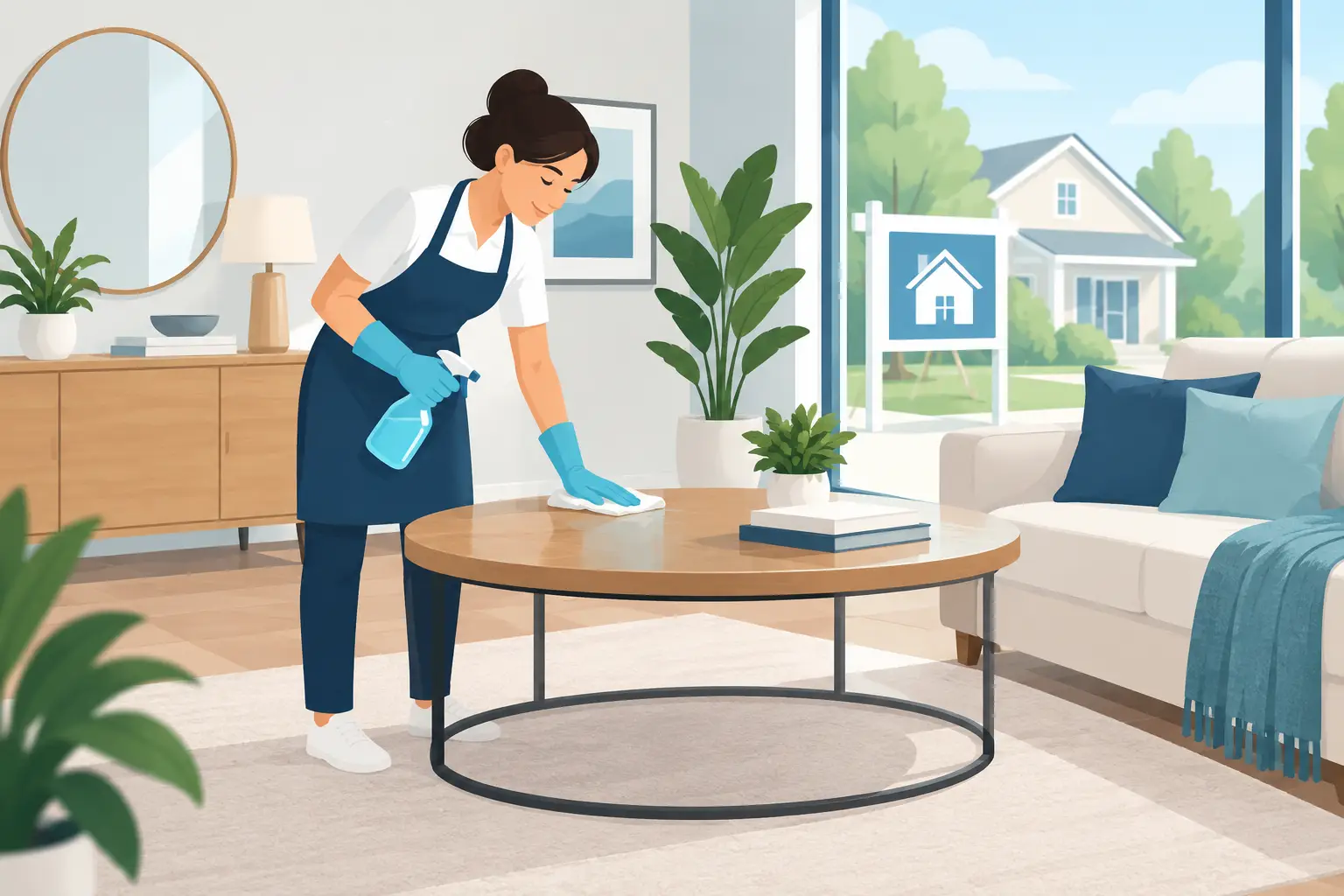
The best answer to when to book pre-sale cleaning is usually earlier than most sellers expect. Cleaning should be one of the final presentation steps, but it needs to be scheduled around repairs, styling, photography and inspection dates. Leave it too late and a rushed clean can become another pressure point in an already busy sale campaign.
A professionally cleaned home does more than look tidy. It helps buyers see the space, light and condition of the property without being distracted by dusty skirting boards, marked glass, bathroom build-up or lingering cooking smells. That first impression matters whether you are preparing a family home, apartment, investment property or unit for sale.
When to book pre-sale cleaning in the sales timeline
For most homes, book your pre-sale clean one to two weeks before professional photography or the first open inspection. This gives you a confirmed place in the cleaner’s schedule and enough flexibility if painting, minor repairs or trades work runs over time.
The actual cleaning visit should take place after dusty or messy work is complete. If painters, electricians, flooring installers or handymen are still coming through the property, their work can quickly undo a detailed clean. Arrange the clean once those jobs are finished, then keep the home as low-traffic as possible before photos and inspections.
If your property will be professionally styled, the order depends on the scope of the clean. A thorough pre-sale clean is often best completed before stylists bring in furniture, rugs and accessories, so cleaners can reach every surface properly. A lighter touch-up clean after styling may still be worthwhile, particularly for kitchen benches, bathrooms, floors and windows that may collect dust during the set-up.
For a Melbourne property going to auction, aim to have the major clean completed before the campaign launches. Auctions often involve several weeks of open homes, and starting with a properly cleaned property makes the ongoing upkeep far easier. You may only need a short refresh before later inspections rather than trying to restore the whole house each weekend.
Work backwards from photography and inspections
Photography is often the real deadline, not settlement day. Online listings create the first viewing for many buyers, so the property should be at its cleanest before the photographer arrives. Dirty shower screens, streaky windows and cluttered surfaces can show up more clearly in photographs than they do in everyday life.
Start by asking your agent for confirmed dates for photography, the campaign launch and the first open home. Then allow time for the jobs that come before cleaning. A sensible sequence may look like this:
Declutter, donate unwanted items and pack personal belongings.
Complete repairs, painting, gardening and any necessary maintenance.
Book carpet, curtain or window cleaning if those services are needed.
Schedule the full pre-sale clean before styling, photography or both.
Plan brief touch-ups before each inspection during the campaign.
This order is not fixed for every property. If a home is vacant and being extensively styled, cleaning before the stylist arrives is usually more efficient. If you are living in the property with children or pets, a close-to-photography clean may be the better choice, followed by a practical plan to maintain the result.
How far ahead should you book?
Booking one to two weeks ahead is a good minimum, especially when you need a specific day or have several services to coordinate. During busy selling periods, school holidays or the lead-up to major public holidays, booking earlier can provide more choice and less stress.
Consider booking two to three weeks ahead if your property is large, has not been professionally cleaned for some time, includes carpets and windows, or needs after-renovation cleaning. These homes may require more than a standard clean, and a clear conversation about the condition of the property helps ensure enough time is allowed.
A smaller, well-maintained apartment may need less notice, but it is still wise not to wait until the day before photos. A quality clean involves more than a quick vacuum and wipe. Kitchens, bathrooms, glass, floors, internal surfaces and high-touch areas all need attention, and you should have time to address any unexpected issues without panic.
Choose the clean that matches your property
Pre-sale cleaning is not always the same as a regular weekly clean. A recurring service keeps a home under control, while a sale campaign calls for detail that helps the property feel cared for and ready for inspection.
For homes that are already consistently maintained, a detailed general house clean may be enough. This can focus on the kitchen, bathrooms, dusting, mopping, vacuuming and presentation of the main living areas. If you have an ongoing cleaning arrangement, schedule the service immediately before photography or an open home and ask for attention to the areas buyers notice first.
For properties with marked carpets, pet hair, visible dust, built-up grime or windows that affect natural light, add specialist services where needed. Carpet cleaning can lift the overall appearance of bedrooms and living spaces, while clean windows can make rooms feel brighter and more open. Curtains may also need professional attention if they hold odours or look dusty.
A recently renovated property needs a different approach again. Fine construction dust can settle on floors, ledges, cabinetry and inside cupboards even after the work appears finished. An after-renovation clean is designed to deal with that residue before the property is photographed and inspected.
Be realistic about what cleaning can and cannot do. Cleaning can improve presentation significantly, but it will not repair mould damage, cracked tiles, worn carpet or peeling paint. Deal with maintenance concerns before the clean where possible, then let cleaning reveal the home at its best.
Why last-minute cleaning can cost you time
Sellers often leave cleaning until the final few days because there is so much else to manage. Packing, agent meetings, paperwork and repairs can make the house feel like one more task on a long list. The problem is that last-minute bookings limit your options and may force you to clean around trades, boxes or styling furniture.
There is also a practical issue: once a home has been deeply cleaned, it needs protecting. If removalists, painters, pets or a busy household move through it afterwards, floors and bathrooms may need attention again. Booking early enough allows you to plan the sequence rather than paying for work that is immediately undone.
For occupied homes, set aside a small basket or cupboard for everyday essentials after the main clean. Keep bench appliances, excess toiletries, pet items and paperwork out of sight between inspections. A few minutes of maintenance before an open home is much easier than trying to recover from a fortnight of normal family life.
Keep the property inspection-ready
The first clean creates the standard. Maintaining it is what helps the home stay appealing throughout the campaign. Before each inspection, ventilate the property, empty rubbish bins, wipe bathroom basins, check mirrors and glass, vacuum or sweep high-traffic areas, and make sure the kitchen is free from dishes and strong food smells.
If inspections run across several weekends, a recurring weekly or fortnightly service can take pressure off your household. This is particularly useful for busy professionals, families and landlords who do not live near the property. A reliable cleaning team can help maintain a consistent standard while you focus on the sale itself.
At House Cleaner, trained and vetted cleaners can assist with one-off pre-sale cleaning as well as ongoing support during the campaign. The right arrangement depends on the property’s condition, your inspection schedule and how much day-to-day upkeep you can manage yourself.
A clean home gives buyers room to imagine living there
Book your clean with the campaign dates in mind, not as an afterthought once the property is already listed. When the repairs are done, the clutter is gone and the cleaning is timed close to photography and inspections, buyers can focus on what the home offers. That calm, well-presented feeling is exactly what you want them to take with them when they leave.
An empty property can look deceptively simple to clean. With no furniture to move and no one living or working there, it is easy to assume the job will be quick. In reality, vacant property cleaning often reveals the dust, marks, odours and overlooked areas that everyday routines hide. Whether you are preparing for a final inspection, welcoming new tenants, listing a property for sale or reopening a workplace, the finish needs to feel considered from the front door onwards.
For owners, tenants and property managers, a properly cleaned vacant space does more than look presentable. It helps protect the condition of the property, supports a smoother handover and gives the next occupant confidence that the space has been cared for.
Why vacant properties need a different approach
Vacant homes, apartments and commercial spaces collect grime differently from occupied properties. Dust settles on skirting boards, inside cupboards and across window ledges. Drains that have not been used can develop unpleasant smells. Marks behind furniture, residue inside appliances and cobwebs in high corners become much more noticeable once the room is empty.
There is also nowhere for cleaning standards to hide. In a furnished home, a small scuff on a wall or dust under a sofa may pass unnoticed. In an empty room, clean floors, clear glass and fresh surfaces set the standard for everything else. This is particularly relevant before a rental inspection or sale campaign, when a prospective tenant or buyer is looking closely at the details.
The right scope depends on why the property is vacant. A tenant moving out may need a detailed clean that meets lease expectations. A landlord between tenancies may focus on presenting a clean, hygienic property and identifying maintenance issues. A business owner may need an office refreshed before staff return or a new tenant moves in. These jobs overlap, but they are not identical.
What a thorough vacant property clean should cover
A good clean follows the property from top to bottom and from dry work to wet work. Starting with high dusting prevents freshly cleaned floors from being covered again later. Working room by room also makes it easier to check that cupboards, fittings and edges have not been missed.
Wiping doors, frames, switches, cupboards, shelves and other touchpoints
Deep cleaning kitchens, including benchtops, sinks, splashbacks and the inside of empty cupboards
Cleaning bathrooms, toilets, showers, screens, taps, tiles and drains
Vacuuming and mopping hard floors, with appropriate care for timber, vinyl, tile or laminate
Cleaning accessible internal glass, mirrors and window tracks
Kitchens and bathrooms deserve extra time because they show use more clearly than other areas. In the kitchen, grease can sit on rangehoods, cabinet fronts and splashbacks even when the room looks tidy at first glance. In the bathroom, soap residue, mineral marks and hair can remain around shower frames, drains and toilet bases. A polished tap and clear shower screen can change the impression of the whole room.
For rental properties, internal cupboards, wardrobes and drawers should be emptied and cleaned rather than simply wiped around. For commercial spaces, attention may shift towards desks, kitchenette areas, shared bathrooms, glass partitions and entry points. The cleaning plan should reflect the actual layout and use of the property, not a one-size-fits-all checklist.
Floors, carpets and windows need separate decisions
Not every vacant property requires carpet cleaning, exterior window cleaning or curtain cleaning, but these services can make a significant difference where they are needed. Carpets may hold dust, stains and lingering odours that a standard vacuum cannot address. Professional carpet cleaning is often a sensible choice after a long tenancy, pets, spills or heavy foot traffic.
Windows are another judgement call. Internal glass and tracks are usually part of a detailed clean, while external windows depend on access, safety and the condition of the glass. In Melbourne, weather and construction dust can leave windows looking dull even in an otherwise spotless property. Where presentation matters, clean glass improves natural light and makes empty rooms feel more inviting.
It is best to agree on these additions before work starts. That avoids assumptions, helps manage the budget and ensures the cleaning team arrives with the right equipment and time allocation.
Prepare the property before the cleaners arrive
Cleaning is most effective once the property is genuinely empty. Remove furniture, personal items, boxes and unwanted belongings before the appointment wherever possible. If there is rubbish, broken furniture or leftover building material, arrange removal in advance or confirm whether this is included in the service. Cleaning around large items takes longer and makes it harder to achieve a complete result.
Utilities also matter. Cleaners need running water, power and safe access to do the work properly. If electricity has been disconnected, arrange for it to remain on until the clean is complete. Let the team know about parking restrictions, lift access, lockboxes, alarm systems, pets on site or any known issues such as a leaking tap.
A quick walk-through before the clean can save time later. Take photos for your own records, check cupboards for forgotten items and note any pre-existing damage. Cleaning can improve presentation, but it cannot repair chipped tiles, damaged blinds, mould caused by an ongoing leak or worn carpet. Separating cleaning needs from maintenance needs gives everyone a clearer picture of the property’s condition.
Timing matters at handover
The best time for vacant property cleaning is usually after removalists, trades and rubbish removal have finished. If cleaners attend too early, new dust, shoe marks and debris can undo their work. This is especially common after painting, renovations or minor repairs.
For a rental handover, allow enough time between the clean and the final inspection to address any reasonable follow-up requests. Requirements can vary by lease agreement and property manager, so it is wise to check the condition report and confirm whether services such as carpet steam cleaning are expected. A clean property supports a positive final inspection, but it does not replace the need to return keys, remove belongings or resolve damage.
For sale, schedule the clean before photography, open inspections or styling. Clean first, then bring in furniture and decorative items. That order keeps floors and windows looking their best and avoids trying to clean around carefully placed styling.
When a standard clean is not enough
Some vacant properties need specialist attention. Strong smoke, pet or cooking odours may require more than surface cleaning. Heavy mould, pest contamination, bodily fluids, sharps or hazardous waste need appropriate assessment and handling rather than a routine cleaning service. Likewise, post-renovation dust can settle repeatedly and may call for an after-renovation clean with extra detail work.
Be upfront about the property’s condition when requesting a quote. Accurate information helps the cleaning team allocate suitable staff, products and equipment. It also means you receive a realistic estimate instead of facing delays on the day.
A vacant property clean is not only about making a space look empty and neat. It is about making it ready: ready for an inspection, a new lease, a sale campaign or the next working day. With trained, vetted cleaners and a clear scope agreed before arrival, House Cleaner can help make that handover one less thing to worry about.
The final week of a tenancy is rarely quiet. There are boxes to pack, utilities to transfer, keys to return and an agent’s final inspection to prepare for. Melbourne rental property cleaning gives tenants a clear way to tackle the work without leaving the hardest jobs until the last night.
A clean property can support a smoother handover, but the goal is not to make an older home look brand new. Your responsibility is generally to return it in a reasonably clean condition, allowing for fair wear and tear. The entry condition report, the length of your tenancy and the condition of the property when you moved in all matter. Keeping that distinction in mind helps you spend time where it counts.
Start with the condition report, not the cleaning cupboard
Before buying products or booking a cleaner, read your entry condition report and look through any photos from move-in day. Compare each room honestly. A marked wall, worn carpet path or ageing sealant may have been present when you arrived, while fresh grease on an oven or dust built up on blinds will usually be yours to address.
Take current photos before you begin, particularly if there is pre-existing damage, mould caused by a maintenance issue, or fixtures that do not work. Let the property manager know about repairs rather than trying to disguise them with a rushed clean. Cleaning and maintenance are different jobs, and confusing the two can create unnecessary disputes.
Then check your rental agreement for any specific requirements. Some agreements require a professional carpet clean if pets were kept at the property or if the carpet was professionally cleaned before the tenancy. Do not assume every rental has the same terms.
Build your Melbourne rental property cleaning plan by room
A room-by-room plan prevents the common mistake of polishing visible surfaces while forgetting the places inspectors routinely check. Work from high areas to low ones, and from dry jobs to wet jobs. That way, dust and debris are not landing on a floor you have already cleaned.
Kitchen: focus on grease, crumbs and cupboards
The kitchen often takes the longest because grease settles beyond the benchtop. Empty cupboards and drawers, then vacuum or wipe out crumbs before using a mild cleaner. Pay attention to handles, splashbacks, the rangehood exterior and the top of upper cabinets, where grease and dust can form a sticky layer.
The oven needs time, not aggressive scrubbing. Remove racks where possible, use an appropriate oven product according to its instructions, and allow it to work before wiping. Clean the door glass, seals and trays as far as the appliance design permits. Avoid harsh abrasives on glass cooktops or delicate surfaces, as scratches can cause a bigger problem than a remaining mark.
Finish by wiping the sink, taps and drain area, cleaning inside the dishwasher if included, and checking behind movable appliances only where it is safe to do so. Do not pull out a heavy fridge or stove if it risks damage to flooring, plumbing or yourself.
Bathroom and laundry: allow products time to work
Soap scum, mineral deposits and mildew need dwell time. Apply a suitable bathroom cleaner to the shower, bath, basin and tiles, then move to another task while it works. Return to scrub gently, rinse well and dry fixtures to reduce streaks.
Inspect shower screens, tracks, grout, exhaust fans, toilet bases and the space behind taps. These are easy to overlook when cleaning in a hurry. If there is mould, treat it carefully with the right product and ventilation. Persistent mould connected to leaks, poor ventilation or building issues should be reported rather than treated as a purely cosmetic problem.
In the laundry, wipe inside and around the trough, clean lint or detergent residue from accessible areas, and remove rubbish from cupboards. Check that no belongings are left behind, including washing powder on shelves or pegs in outdoor areas.
Bedrooms and living areas: do the detail work
Dust ceilings fans, light fittings where safely accessible, skirting boards, window ledges and the tops of doors. Wipe switches and handles, taking care not to soak electrical fittings. Vacuum upholstered surfaces if they belong to the property, and make sure wardrobes are empty and clean inside.
For hard floors, vacuum first and then mop with a product suited to the surface. Too much water can damage timber, laminate and some vinyl flooring. On carpet, vacuum slowly in more than one direction, including edges and corners. Spot treatment can help with small marks, but test products discreetly first and avoid over-wetting the carpet.
Walls deserve a measured approach. Light marks may lift with a soft damp cloth, but vigorous rubbing can remove paint or leave shiny patches. If a wall needs repainting because of damage beyond normal wear, speak with the property manager rather than making an unapproved repair.
Windows, outdoor spaces and final touches
Clean internal window glass, tracks and ledges, then wipe mirrors until they are clear and streak-free. External windows can be difficult or unsafe to access, especially in apartments and multi-storey homes. Do not lean from windows or attempt work at height. A professional window cleaning service is the safer option when outside glass is part of the agreed scope.
Sweep balconies, courtyards and entryways, remove all personal items and clear loose leaves where practical. Put bins out if collection day is near, but do not leave rubbish behind in wheelie bins, cupboards, the letterbox or the garage. Finally, check light globes, remotes, keys and garage fobs against the property manager’s handover instructions.
When a professional clean is worth it
A DIY clean is realistic for many tenants, particularly when the property has been regularly maintained and there is enough time before handover. It can also be the more affordable choice if you already have the equipment and are confident with detailed cleaning.
Professional help is often worthwhile when time is tight, the property is large, the oven and bathrooms need intensive work, or you are moving out of an apartment with carpet, blinds and difficult-to-reach windows. It can also reduce the pressure of coordinating cleaners, removalists and key return on the same day.
Choose a service that understands end-of-lease expectations and can clearly explain what is included. Carpet cleaning, exterior windows, wall washing and heavy mould treatment may be separate services, so ask before booking. Keep receipts and any service records for your tenancy file. House Cleaner provides practical cleaning support for tenants who need a dependable, organised team for a move-out clean.
Give yourself a buffer before the final inspection
Aim to finish cleaning at least a day before the property is due back. That buffer gives you time to let floors dry, check rooms in natural light and correct small misses. Open every cupboard, look behind doors, inspect the oven again and walk through with your mobile phone camera as if you were documenting the home for the first time.
A simple final walk-through catches more than another hour of random scrubbing. Make sure all belongings are removed, taps are off, appliances are empty, rubbish is gone and keys are ready for return. If you find something that cannot reasonably be resolved before handover, communicate early and keep the conversation in writing.
Moving house is demanding enough. A calm, methodical clean helps you leave the property with confidence, protect your time and start the next chapter with one less task hanging over you.
A new set of keys should feel exciting, not like the start of a weekend spent scrubbing someone else’s cupboards. Understanding move-in cleaning inclusions helps you book the right service, set clear expectations and arrive at a home that feels fresh, hygienic and ready for your belongings.
Whether you are moving into a family home, apartment or investment property, the condition of the property can vary widely. A place may look tidy during an inspection but still have dust in wardrobes, grease around the cooktop or residue left in the bathroom. A professional move-in clean focuses on the areas that matter most before you unpack.
What are move-in cleaning inclusions?
Move-in cleaning inclusions are the rooms, surfaces and detailed tasks covered by a cleaning service before you settle into a property. It is generally a more thorough service than a regular weekly or fortnightly clean because the home is empty or mostly empty, allowing cleaners to reach areas normally hidden by furniture and personal items.
The exact scope depends on the size and condition of the property, as well as the service you book. A well-maintained home may only need a detailed refresh. A vacant property that has been sitting for some time, or has recently had repairs completed, may need extra attention to remove built-up dust, marks and grime.
The most reliable approach is to discuss the condition of the property before the appointment. This gives your cleaning team the chance to recommend the right level of service and allows you to request priority areas, such as kitchen cupboards or shower screens.
The kitchen: where detail makes the biggest difference
The kitchen is often the first room people want cleaned properly before moving in. Even a clean-looking kitchen can hold crumbs in drawers, fingerprints on cabinet doors and grease around appliances.
Typical move-in cleaning inclusions for a kitchen cover wiping benches, splashbacks, cupboard fronts, drawers and accessible internal cupboard surfaces. Cleaners will generally wipe the sink and taps, clean the cooktop, remove light grease from surrounding surfaces, and vacuum and mop the floor. Switches, handles and visible marks on walls may also be attended to where suitable.
The oven is worth discussing separately. Oven cleaning can be a more intensive task, particularly when there is baked-on grease or carbon build-up. Some services include a standard oven clean, while others price it as an add-on. The same applies to inside the fridge, dishwasher or rangehood filters. If these details matter to you, ask for them to be clearly included in your quote rather than assuming they are covered.
Bathrooms and toilets: cleaning for a fresh start
Bathrooms require more than a quick wipe before you bring in towels and toiletries. A move-in clean typically includes cleaning and sanitising the toilet, basin, taps, vanity, shower and bath. Mirrors are polished, tiled surfaces are wiped, and floors are vacuumed and mopped.
Shower screens and tiles may need extra work where soap scum, hard-water marks or mould are present. In many cases, these issues can be improved significantly with a professional clean, but permanent staining, damaged grout and heavily etched glass may not return to a new appearance. A caring cleaning team will be clear about what can realistically be achieved rather than promising a result the surface cannot deliver.
Bathrooms are also a good place to request attention to exhaust fans, cabinet interiors and the areas behind toilet bases. These small details can make the room feel genuinely clean rather than simply presentable.
Bedrooms, living areas and shared spaces
In bedrooms and living spaces, the goal is to remove the dust and marks left behind before your furniture arrives. Common inclusions are dusting accessible surfaces, wiping skirting boards, cleaning light switches and door handles, removing cobwebs, and vacuuming or mopping floors.
Wardrobes are particularly valuable to include in a move-in clean. Wiping shelves, hanging rails and drawer interiors before clothes are unpacked saves time and avoids transferring dust or residue to your belongings. Window sills, tracks and accessible internal glass can also be cleaned, depending on the agreed scope.
For carpets, vacuuming is usually part of a standard move-in clean. However, vacuuming does not remove deep stains, pet odours or embedded dirt. If the carpets need a more complete refresh, professional carpet cleaning may be the better option. It is especially worth considering if the property has been vacant, has had pets, or shows visible spots in high-traffic areas.
What is often excluded or needs to be requested?
A detailed cleaning service is thorough, but it is not the same as restoration work, rubbish removal or a builder’s clean. Being specific before booking avoids surprises on the day.
The following tasks commonly need to be added, quoted separately or confirmed in advance:
Inside oven cleaning, fridge cleaning and rangehood filter cleaning
Deep carpet steam cleaning or treatment for stains and odours
Exterior window cleaning, high or difficult-to-access windows, and flyscreens
Heavy mould treatment, wall washing or removal of stubborn marks
Rubbish removal, pest control and repairs to damaged fixtures or surfaces
After-renovation cleaning is also different from a standard move-in clean. Fine construction dust can settle throughout a property and may require specialised equipment, extra time and multiple passes. If painters, tradespeople or installers have recently been through the home, mention this when requesting a quote.
How to prepare for a move-in clean
The best time to schedule a move-in clean is after the previous occupants have left and before removalists deliver your furniture. An empty home gives cleaners better access to floors, cupboards, wardrobes and corners, and it gives you a clean base from day one.
If possible, collect the keys early enough to allow for cleaning before move-in day. Let the cleaning team know how they will access the property, whether there is parking nearby, and if building management has lift booking requirements. This is particularly helpful in Melbourne apartment buildings, where loading zones and lift times can affect the schedule.
Before the appointment, walk through the home and make a short list of priorities. You may be most concerned about the inside of kitchen cupboards, the shower, pet hair in carpets or dusty window tracks. Sharing these priorities helps the team focus their time where it will make the greatest difference to your move.
It is also sensible to take condition photos before cleaning if you are renting or managing a property. Cleaning can improve the presentation of a home, but it should not be expected to hide existing damage, worn finishes or maintenance issues that need to be recorded separately.
Choosing the right level of cleaning
A move-in clean is not one fixed checklist for every property. The right service depends on how clean the home already is, how soon you are moving, and whether you need specialised work such as carpet, window or curtain cleaning.
For a relatively clean apartment, a detailed clean of the kitchen, bathroom, wardrobes and floors may be enough. For a larger house, a home that has been vacant for months or a property with visible grime, a more comprehensive service may be the better investment. The value is not only in appearance. Starting with properly cleaned surfaces can make unpacking easier, reduce stress and help your new home feel like yours sooner.
House Cleaner provides dependable cleaning support for people who need a practical, well-organised service around a busy move. When you book, be open about the property’s condition and the outcome you want. Clear expectations give your cleaners the information they need to deliver first-class results.
A clean home gives your move room to breathe
Moving has enough moving parts without adding cupboard wiping, bathroom scrubbing and floor mopping to the list. Confirm the move-in cleaning inclusions that matter to you, allow enough time before the removalists arrive, and begin your next chapter in a home that feels cared for from the moment you walk through the door.
The best office cleaning schedule is usually the one no one notices. Rubbish is removed before it overflows, bathrooms are fresh at the start of the day, and desks, floors and shared spaces stay presentable without interrupting your team. Knowing how to schedule office cleaning means balancing hygiene, budget, building access and the way your workplace actually operates.
For a small office, a regular evening clean may be all that is needed. A busy workplace with client traffic, shared kitchens and multiple bathrooms may need several visits a week, plus occasional deeper cleaning. The right plan should support your staff and visitors, not force your business to work around the cleaner.
Start with the way your office is used
Before choosing days or times, look at the reality of your workplace. Count more than desks. Consider how many people are in the office on a normal day, whether employees hot-desk, how often clients visit, and which areas receive the heaviest use.
The kitchen, bathrooms, reception, meeting rooms and entry areas normally set the cleaning standard for the whole office. A modest team can create a high volume of dishes, bins and spills if staff regularly eat lunch onsite. Likewise, a reception area may need more attention than a large back-office space if it is the first thing visitors see.
It also helps to identify your busiest periods. If Monday mornings involve client meetings or Friday afternoons are quiet, those patterns should influence the cleaning timetable. A schedule based only on square metres can miss what makes an office feel clean and well cared for.
Separate daily needs from periodic work
Some tasks need regular attention because they affect hygiene, odour or appearance straight away. Others can be scheduled fortnightly, monthly or as required. Separating these jobs prevents overpaying for unnecessary work while making sure essential areas are never overlooked.
Your recurring office clean may include:
Emptying rubbish and recycling bins
Vacuuming or mopping floors in high-traffic areas
Cleaning and sanitising bathrooms
Wiping kitchen benches, sinks and shared surfaces
Tidying reception and meeting spaces
Periodic work can include detailed dusting, internal window cleaning, carpet cleaning, curtain cleaning or a more thorough kitchen clean. These services are valuable, but they do not always need to be part of every visit.
How to schedule office cleaning at the right frequency
There is no single frequency that suits every workplace. A good starting point is to match cleaning visits to foot traffic and shared facilities, then adjust once you see how the office performs between cleans.
A small office with a few staff members and limited visitor traffic may be comfortable with weekly cleaning. This is often enough when staff keep their own desks tidy and the kitchen is lightly used. For many professional offices, two or three cleans a week provide a better balance, particularly where bathrooms, kitchens and client-facing areas need to remain consistently fresh.
Daily cleaning is generally suited to high-traffic offices, medical or customer-facing environments, larger teams, or workplaces where presentation is central to the customer experience. It can also make sense during busy seasons, after a major event, or when more staff are attending the office than usual.
Fortnightly service can work for low-occupancy spaces, but it requires everyone onsite to take more responsibility for bins, dishes and spills in between. If the office begins to look tired several days before the next visit, increase the frequency rather than asking cleaners to complete an unrealistic amount of work in one session.
Choose a time that protects productivity
After-hours cleaning is popular because it allows cleaners to work efficiently without moving around active meetings, phone calls or focused work. A morning clean before staff arrive can also work well, especially if you want bathrooms and reception areas freshly prepared for the day.
However, after-hours access is not always practical. Some offices have security restrictions, shared building rules or alarms that require a staff member to be present. In those cases, daytime cleaning can be effective if it is planned around quieter periods and the scope focuses on low-disruption tasks.
For example, a cleaner may service bathrooms, empty bins and tidy common areas during a mid-afternoon lull, while noisy vacuuming or detailed floor care is reserved for after hours. Be clear about which activities cannot happen during meetings or customer appointments. A reliable cleaning provider will build those preferences into the service plan.
Confirm access and security before the first visit
Cleaning schedules often fail for simple operational reasons: no one has arranged a key, an alarm code has changed, parking is unavailable, or building management limits lift access after a certain time. Confirm these details before the first service, then keep them current whenever your office arrangements change.
Decide who will be the primary contact and who can be called if there is an access issue. If cleaners are attending outside business hours, provide clear instructions for entry, alarm procedures, restricted areas and how the premises should be secured on departure. This protects your office, your team and the cleaning staff.
Set a clear scope, not just a cleaning day
A recurring booking becomes dependable when everyone understands what is included. Rather than simply asking for the office to be cleaned, outline the rooms, priorities and any areas that require special care. This is especially useful in workplaces with boardrooms, storage areas, staff-only spaces or expensive equipment.
Be specific about consumables as well. Some businesses supply bin liners, hand soap, paper towel and toilet paper, while others ask the cleaning team to manage these items. Neither approach is wrong, but it should be agreed upfront so bathrooms and kitchens do not run short unexpectedly.
It is also wise to discuss desks and personal belongings. Many offices prefer cleaners not to move papers, laptops or private files. A practical policy is to clean shared desks only when they are clear, while staff remain responsible for putting confidential material away before each visit. This keeps cleaning thorough without compromising privacy or creating frustration.
Build flexibility into your recurring booking
Your office will not look the same every week. Team events, visitor days, seasonal workloads, renovations and staff changes can all affect what your space needs. A fixed cleaning day is helpful, but the service should be easy to adjust when circumstances change.
Let your cleaner know ahead of time about functions, extra guests or periods when parts of the office will be closed. You may need an additional visit after an event, a deeper clean following renovation work, or carpet cleaning before an important client presentation. Planning these jobs early gives you better choice of times and avoids last-minute pressure.
For Melbourne offices, consider practical access issues as well. CBD parking, building loading zones and lift bookings can affect the most efficient service window. A professional provider can help organise a realistic arrival time rather than making promises that do not suit the building.
Review the schedule after the first few visits
A cleaning plan should improve through use. After the first two or three visits, walk through the office before staff arrive or at the end of the day. Check the areas that matter most: bathrooms, kitchen surfaces, floors, bins, entry points and meeting rooms.
If one area is consistently needing attention between visits, explain what you are seeing. The solution may be a small change to the checklist, a different cleaning day or a more suitable frequency. Equally, if an area is barely used, the service can be adjusted to focus your budget where it has the most impact.
Consistent cleaners make this process easier. When the same trusted team becomes familiar with your workplace, they understand your priorities, notice changes and can maintain a reliable standard without repeated instructions. House Cleaner provides trained, vetted cleaners and recurring service options designed to make that consistency straightforward.
A well-planned office cleaning schedule gives your team one less thing to manage. Choose a frequency that reflects real use, make access simple, and keep communication open. The result is a workplace that feels ready for staff, clients and whatever the week brings.
A Saturday can disappear quickly when cleaning is on the list. By the time you have bought supplies, moved furniture, tackled the bathroom and caught up on laundry, the weekend can feel more like another shift at work. Professional cleaners versus DIY cleaning is not simply a question of who can hold a mop. It is about where your time, energy and budget are best spent.
For some households and workplaces, doing the cleaning yourself is the sensible choice. For others, regular professional help removes a recurring source of stress and keeps standards consistent. The right answer depends on the property, the type of cleaning required and how much value you place on having the job handled reliably.
Professional Cleaners Versus DIY Cleaning: The Real Difference
DIY cleaning puts you in control. You choose the products, decide what matters most and clean on your own schedule. For a small apartment that is already kept tidy, a regular weekly reset may take little more than an hour. If you enjoy cleaning, have the time and know what your surfaces need, there is nothing wrong with taking care of it yourself.
The challenge is that cleaning is rarely just one task. A proper home clean includes bathrooms, kitchen benches, floors, dusting, rubbish removal and the details that tend to build up unnoticed. In a busy family home, those jobs compete with work, school activities, shopping and time to rest. In a commercial setting, cleaning also needs to happen without disrupting staff or customers.
Professional cleaners bring an organised process to the work. They know how to work through a property efficiently, use suitable methods for common surfaces and focus on the areas that affect how clean a space feels. A trained, vetted cleaner can complete routine work with less trial and error, while a recurring service means the home or office is maintained before grime becomes a bigger job.
That does not mean every job requires a professional. It means the level of help should match the task.
Compare the Cost Beyond the Booking Price
DIY cleaning can appear cheaper because there is no service fee. But the true cost includes equipment, cloths, vacuum maintenance, cleaning products and your own time. Specialist jobs may also require products you will use once or twice, such as carpet spot treatments, mould removers or post-renovation cleaning supplies.
A professional cleaning service is a direct expense, so it should be considered carefully. It is often most worthwhile when it replaces several hours of unpaid labour, supports a demanding household or helps protect a tenancy, property presentation or workplace standard. A fortnightly clean, for example, can make the day-to-day upkeep manageable without committing to a weekly visit.
For renters, the calculation can change near the end of a lease. Missing details such as soap scum on shower screens, grease in the oven or dust on skirting boards can create pressure when an inspection is approaching. A professional move-out or end-of-lease clean can be a practical investment when time is tight and the result needs to meet a higher standard.
Businesses should also factor in perception. A clean reception area, bathroom and staff kitchen affect how visitors and employees experience the premises. Asking staff to clean shared facilities can save money on paper, but it may not be the best use of their time or create the consistency a workplace needs.
When DIY Cleaning Makes Sense
DIY is often a good fit when the cleaning is light, the space is manageable and you can keep up with it without resentment. Daily habits make a substantial difference: wiping benches after meals, dealing with spills quickly, returning items to their place and running a regular vacuum through high-traffic areas.
It is also useful when you have particular preferences. Some people want to use specific fragrance-free products, clean at unusual hours or handle delicate possessions themselves. Clear routines can make this straightforward, especially in a one- or two-person household.
DIY works best when it is realistic. If the plan is to spend three hours cleaning every Sunday but it keeps being postponed, the issue is not motivation. The routine no longer suits the household. That is a useful point to reassess rather than a reason to feel guilty.
When Professional Cleaning Is the Better Choice
Professional cleaning becomes particularly valuable when the job needs more than a quick tidy. Deep cleaning, after-renovation cleaning, carpet cleaning, window cleaning and curtain cleaning require time, care and often more specialised knowledge than a standard weekly routine.
It is also a strong option for households managing competing demands. Parents with young children, professionals with long commutes, older residents, landlords and property managers may all have different reasons for wanting dependable help. What they share is a need for a clean space without repeatedly sacrificing evenings or weekends.
Reliability matters as much as cleaning skill. Inviting someone into your home or workplace requires trust. Look for a company that uses trained, background-checked cleaners, communicates clearly and can provide continuity for repeat visits. Having the same cleaner where possible helps them understand your priorities, from the pet hair on the lounge to the areas of an office that need closer attention.
For Melbourne households, recurring cleaning can also be useful through busy periods such as school terms, winter illnesses, hosting family or preparing a property for sale. Instead of waiting until the home feels overwhelming, regular visits keep the workload at a comfortable level.
One-Off Jobs Need a Different Standard
A routine clean maintains a property. A one-off clean solves a specific problem. This distinction is important when comparing quotes or deciding whether to do the job yourself.
After renovations, fine dust can settle well beyond the room where work was completed. Moving home often reveals areas hidden by furniture for years. Commercial premises may need an intensive clean before opening, after an event or when a new tenant moves in. These situations call for a clear scope, enough time and an experienced team that knows where buildup tends to hide.
Trying to rush a large one-off job can be exhausting and still leave important areas unfinished. Professional support gives you a defined plan and a cleaner result when the deadline matters.
A Practical Way to Decide
Start by looking at the cleaning you actually need, not the cleaning you wish you had time to do. If the main issue is floors, bathrooms and kitchen surfaces falling behind every fortnight, a regular service may be the most efficient answer. If you only need occasional help before inspections, guests or a move, a one-off booking may be enough.
Then consider the standard required. A basic tidy before friends visit is very different from preparing a rental for handover or maintaining a customer-facing workplace. The higher the stakes, the more useful trained cleaning support becomes.
Finally, think about consistency. DIY cleaning is flexible, but it relies on your availability every week. A professional service is less flexible in cost but can provide a dependable rhythm. Online booking and payment can also reduce the administration that often makes household jobs feel harder than they should.
Get the Best Result With a Combined Approach
The choice does not have to be all or nothing. Many customers keep daily tasks in hand while booking a weekly or fortnightly professional clean for the heavier work. This approach keeps costs predictable and prevents cleaning from taking over their free time.
You might handle dishes, laundry and quick bench wipes, while your cleaner takes care of bathrooms, vacuuming, mopping, dusting and the details that are easy to postpone. For commercial spaces, staff can maintain their own desks while a cleaning team manages shared areas properly.
Before a service begins, be clear about what matters most. Mention pets, allergies, fragile items, access arrangements and rooms that need extra attention. A caring cleaning team can work more effectively when expectations are practical and specific.
The best cleaning arrangement is the one that leaves your space comfortable and gives you more room for the parts of life that cannot be ticked off with a sponge. If cleaning is consistently taking more than it gives back, dependable professional support can be a simple, worthwhile change.
A final inspection can feel like the last hurdle between you and your bond. Australian rental cleaning standards are often discussed as though they require a spotless, brand-new property, but that is not the test. The real expectation is that a tenant returns the property in a reasonably clean condition, taking account of its condition at the start of the tenancy and allowing for fair wear and tear.
That distinction matters. It helps renters avoid paying for unnecessary work, gives property managers a clearer basis for inspection, and keeps end-of-lease cleaning focused on the jobs that genuinely affect the handover.
What Australian rental cleaning standards actually mean
There is no single national rulebook that lists every cupboard, tile and window a tenant must clean. Rental laws and tenancy agreements are administered by each state and territory, and the wording can differ. In practice, however, the same principle applies across Australia: leave the home as clean as it was when the tenancy began, except for reasonable wear caused by ordinary living.
The entry condition report is the starting point. It records the property’s state when the keys were handed over, ideally with dated photos. If a blind was dusty, a wall had marks, or carpet carried an existing stain at the beginning of the lease, a tenant is not usually responsible for making that item better than it was.
A useful way to think about the standard is simple: remove the dirt, grease, dust, rubbish and build-up created during your tenancy. Do not confuse cleaning with repairing age-related deterioration or damage that was already there.
Cleanliness is different from fair wear and tear
Fair wear and tear is gradual deterioration from normal use. Faded curtains from sunlight, worn carpet in a busy hallway and small scuffs from everyday furniture use may fall into this category, depending on the circumstances and condition report.
Cleaning issues are different. Grease left inside an oven, soap residue on shower screens, food crumbs in drawers, dust on skirting boards and litter left in the garden are generally matters a tenant should address. Damage is different again. A broken fitting, burn mark, pet damage or a large stain may require repair or compensation, rather than a cleaning service alone.
This is why a rushed clean can become costly. A property may look tidy at first glance while still failing an inspection because the detailed areas that collect grime have been missed.
The condition report should guide the clean
Before buying products or booking a cleaner, read the entry condition report alongside the latest inspection report, if one is available. Walk through each room with your mobile and take current photos. This gives you a practical scope of work and evidence of the property’s final condition.
Pay close attention to any special terms in the lease. Some agreements include requirements around professional carpet cleaning, flea treatment where pets have lived at the property, or cleaning particular inclusions such as blinds. A special term does not remove the need for it to be reasonable and lawful, but it should never be ignored. If you are unsure about a requirement, ask the property manager to clarify it in writing before the final week.
For Melbourne renters, this preparation can be especially useful during busy moving periods, when removalists, cleaners and final inspections are all competing for limited time. A clear checklist prevents last-minute surprises.
The areas inspectors commonly notice
A good end-of-lease clean is detailed, not just surface-level. Kitchens and bathrooms usually receive the closest attention because grease, scale and moisture build-up are obvious and can take time to remove.
Kitchen
The oven, cooktop and rangehood deserve dedicated attention. Remove loose crumbs first, then treat built-up grease safely according to the appliance manufacturer’s instructions. Clean the oven door, racks, trays, splashback, bench edges, sink, taps and the exterior of appliances included with the property.
Empty every cupboard and drawer, wipe inside and out, and check the top of cabinets where dust and cooking residue can settle unnoticed. Do not leave food, cleaning products or rubbish behind unless the property manager has expressly agreed to keep an item.
Bathroom and laundry
Limescale, soap scum and mould are frequent inspection issues. Clean the shower screen, tiles, grout, bath, vanity, toilet, mirrors and taps. Clear hair and residue from drains where safe to do so, and wipe exhaust fan covers and laundry surfaces.
Mould needs care. Light surface mould may be cleaned with an appropriate product and ventilation, but widespread or recurring mould can be linked to a maintenance issue, leak or poor ventilation. Photograph it and raise it with the property manager rather than simply covering it up. Your cleaning responsibility depends on the cause.
Living spaces and bedrooms
Vacuum carpets thoroughly, including along edges and under furniture that remains. Hard floors should be vacuumed or swept and then mopped with a suitable product. Wipe skirting boards, light switches, door handles, window sills, wardrobes and visible marks on walls where they can be removed without damaging the paint.
Dust ceiling fans, vents, blinds and accessible light fittings. Be cautious with high areas, delicate blinds and painted surfaces. A cleaning result is not worth an injury or accidental damage charge.
Windows, outdoor areas and rubbish
Clean internal window glass and tracks where they are reasonably accessible. Exterior window cleaning may depend on access, safety and what is stated in the lease. Never attempt upper-level external windows without appropriate equipment.
Balconies, courtyards and gardens should be left neat. Remove personal belongings, sweep hard surfaces, clear rubbish and deal with pet waste. Garden care requirements vary, particularly where a home has established landscaping, so compare the outdoor area with the entry report rather than guessing.
Do you need professional end-of-lease cleaning?
Not every rental requires a professional cleaner. If you have time, suitable equipment and the property is modest in size or well maintained, a careful DIY clean may meet the required standard. The key is being realistic about the labour involved, particularly after packing and moving.
Professional help can be worthwhile when the property has heavily used kitchens or bathrooms, carpets that need specialised treatment, large windows, built-up grime, limited time or a strict handover date. A trained cleaning team can also manage the detailed jobs people commonly overlook, such as rangehood filters, tracks, grout, blinds and skirting boards.
The trade-off is cost versus time and confidence. A cleaner cannot fix pre-existing defects or tenant damage, and no honest service can promise a bond outcome that depends on a property manager, the condition report and the tenancy circumstances. What a professional clean can do is bring the property to a clear, inspection-ready standard and provide a record of the work completed.
If you engage a service, be specific about the property type, number of rooms, carpets, windows and any problem areas. Book early, especially if cleaning needs to happen after removalists leave but before keys are returned. House Cleaner can assist with move-in and move-out cleaning, carpet cleaning, window cleaning and post-renovation work when a property needs more than a quick surface clean.
Avoid the mistakes that lead to repeat cleaning
The most common error is cleaning before the home is empty. Furniture hides dust, boxes create clutter and removalists can leave marks or debris behind. Whenever possible, schedule the detailed clean after possessions have been removed.
Another mistake is relying on an informal checklist without checking the entry report. A property manager may reasonably ask for a missed cleaning item to be addressed, but they should not expect a tenant to improve pre-existing wear or undertake work outside their responsibility.
Finally, do not hand back keys without doing your own final walk-through. Open cupboards, turn on lights, check the oven, look behind doors and inspect the bathroom in daylight. Take clear photos after cleaning, including wide shots and close-ups of key areas. Keep receipts and written communications until the bond has been finalised.
A calm, well-planned handover starts with the condition report and ends with a home that is clean, empty and ready for the next resident. Give yourself enough time to inspect the details, or arrange dependable help before moving day turns into a deadline.
A clean home can feel manageable on Sunday evening and completely out of reach by Thursday. That is why the choice between one-off versus recurring cleaning is not simply about how often someone vacuums or wipes a bench. It is about the kind of support that best fits your schedule, household, workplace and peace of mind.
A one-off clean can restore order when life has become busy or a particular event demands extra attention. Recurring cleaning provides reliable help before mess, dust and cleaning jobs begin to pile up. Both have a place. The right choice depends on what you need now and what would make everyday life easier over time.
What is one-off cleaning?
One-off cleaning is booked for a single occasion, usually with a clear purpose in mind. It might be a thorough clean before guests arrive, a post-renovation clean to remove building dust, an end-of-lease clean, or a reset after a demanding few months at work.
The scope can be tailored to the property and the reason for the visit. A family may need bathrooms, kitchen surfaces, floors and high-touch areas brought back under control. A tenant moving out may need detailed attention to cupboards, skirting boards, appliances and other areas expected in a final inspection. Businesses may arrange a one-off service after an event, a fit-out or a period of reduced cleaning.
The main advantage is flexibility. You book help when a specific need arises without committing to an ongoing schedule. It is also a sensible starting point for people who have not used a professional cleaner before and want to see what level of support makes a difference.
There is a trade-off. Because the cleaner is often tackling accumulated work, a one-off clean can take more time than a routine visit. Once the property is back to a good standard, maintaining it remains your responsibility until you book again.
What is recurring cleaning?
Recurring cleaning is a planned service delivered weekly or fortnightly. Instead of waiting until the house feels overwhelming, cleaning becomes part of the household routine. The same principle applies to offices, where regular attention helps keep shared spaces presentable for staff and visitors.
A recurring service generally focuses on the tasks that make the biggest day-to-day difference: vacuuming and mopping floors, cleaning bathrooms and kitchens, dusting accessible surfaces, emptying rubbish and tidying the areas agreed in your service plan. The exact priorities can be adjusted around your home, pets, children, work arrangements or business hours.
For many customers, consistency is the real value. When a trained, vetted cleaner understands the property and your preferences, there is less explaining, less last-minute organising and less uncertainty about whether the cleaning will get done. Keeping the same cleaner for repeat visits, where available, can make the experience feel especially familiar and dependable.
One-off versus recurring cleaning: the practical differences
The best option is rarely about which service is universally better. It is about matching the service to the rhythm of your life.
Cost and value over time
A one-off clean is usually priced around the time and work required for that individual visit. It can represent excellent value when you need a targeted result, such as preparing for a move, recovering after renovation work or getting ready to host family. However, it may cost more per visit than routine cleaning because the cleaner is addressing a greater build-up.
Recurring cleaning can be easier to budget for because it follows a regular schedule. More importantly, it prevents routine tasks from becoming a major catch-up job. A fortnightly clean will not eliminate every household chore, especially in a busy family home, but it can significantly reduce the cleaning load between visits.
Ask for a clear quote based on your property, required tasks and frequency. The cheapest option is not always the best value if it leaves key areas untouched or creates more work for you afterwards.
Time, effort and mental load
A one-off booking gives you relief at a particular pressure point. This can be invaluable before a property inspection, after a busy school term or when work deadlines have taken over. Yet it does not change the ongoing cycle of cleaning, planning and catching up.
Recurring cleaning is designed to give back time regularly. Rather than spending a weekend cleaning bathrooms and floors, you can use that time for family, rest, errands or simply enjoying a home that feels looked after. For busy professionals and parents, the reduction in mental load can matter as much as the visible result.
Consistency and trust
With a one-off clean, the focus is on achieving a strong result that day. The team needs a clear brief, particularly if there are priority rooms, delicate surfaces, access requirements or areas that need extra attention.
With recurring service, preferences can become part of the routine. Perhaps you want the kitchen given extra attention, a home office cleaned carefully around equipment, or cleaning completed while you are at work. A professional service with background-checked staff, straightforward booking and reliable communication makes it easier to feel comfortable handing over those responsibilities.
Flexibility when circumstances change
One-off cleaning works well for changing or occasional needs. Renters may only require professional help at the start or end of a tenancy. Homeowners may book before selling, after building work or before an important celebration. A commercial client may need extra support after a function or seasonal rush.
Recurring cleaning is flexible in a different way. You can choose a weekly schedule when the household is particularly busy, then move to fortnightly visits when circumstances settle. If you are travelling, renovating or preparing to move, your regular service may need to be paused or supplemented with a more detailed clean. The right provider should make those conversations simple.
When a one-off clean makes the most sense
Choose a one-off clean when there is a defined job with a clear finish line. Move-in and move-out cleaning are obvious examples, as are after-renovation cleaning, carpet cleaning, window cleaning and curtain cleaning. These services are often needed occasionally rather than every fortnight.
It is also a good fit if you usually manage your own cleaning but need support during an unusually busy period. A new baby, recovery from illness, a demanding work project or visitors staying over can all change what is realistic at home.
For Melbourne property managers and tenants, a one-off professional clean can be particularly helpful around lease transitions. The aim is not merely to make a place look tidy. It is to ensure the property receives the detailed attention expected when keys are being handed over.
When recurring cleaning is the better choice
Recurring cleaning suits homes and workplaces where the work never really stops. Families with children, pet owners, shared households and people working long hours often benefit most because regular visits stop cleaning from becoming a recurring source of stress.
It can also be a practical choice for older residents or anyone whose mobility, health or schedule makes ongoing cleaning difficult. Regular professional support can help maintain a comfortable environment without relying on a major clean only when conditions become hard to manage.
For offices and commercial spaces, consistency affects more than appearance. Clean kitchens, bathrooms, entry areas and workspaces help create a more welcoming setting for staff and clients. A planned schedule also means cleaning is not left to employees or handled only after standards have already slipped.
Start with the standard your property needs
If you are unsure, begin by looking honestly at the current condition of the space. A home that has not had a detailed clean for some time may benefit from a one-off reset first. Once the property is at a standard you are happy with, recurring weekly or fortnightly cleaning is much easier to maintain.
During booking, be clear about your priorities. Mention pets, parking and access arrangements, any rooms that are off limits, surface sensitivities, preferred cleaning times and the jobs that matter most. Good communication helps a caring cleaning team plan properly and deliver a result that suits your property rather than a generic checklist.
House Cleaner supports both one-off and regular cleaning needs, so you do not have to force your situation into a service that does not fit. Whether you need help for a single demanding day or a dependable routine, the goal is the same: a clean, comfortable space and less to carry on your own.
The most helpful cleaning plan is the one that leaves you with more time and fewer jobs hanging over the weekend. Choose the service that fits your life now, then adjust it as your needs change.
The difference clean glass makes is easy to underestimate until sunlight comes through without the haze. Professional window cleaning removes the film of dust, salt, rain marks and everyday grime that builds up gradually, giving your home or workplace a fresher, better-kept feel without taking up your weekend.
For busy households, tenants, property managers and business owners, it is one of those tasks that is simple in theory but time-consuming in practice. Reaching high panes safely, avoiding streaks and dealing with stubborn marks all require more than a quick wipe with paper towel. A reliable cleaning team takes care of the details so you can enjoy clearer views and spend your time elsewhere.
Why Regular Window Cleaning Is Worth It
Windows face a surprising amount of wear. Dust, pollen, insect marks, fingerprints, moisture and air pollution can settle on glass and frames. In many Australian locations, coastal salt and hard water can leave particularly noticeable residue. Over time, this build-up can make rooms look dimmer, even when the rest of the property is clean.
Regular cleaning improves more than appearance. It allows more natural light into living areas, offices and shared spaces, which can make a room feel more open and welcoming. For commercial properties, clean windows help present a professional first impression to customers, visitors and staff before they walk through the door.
There is also a maintenance benefit. Leaving dirt, mineral deposits and salt residue on glass for long periods can make them harder to remove later. Cleaning frames and tracks at the same time helps prevent debris from collecting where it can affect drainage and the smooth operation of windows.
How often your windows need attention depends on the property. A family home near a busy road, construction site or coastline may benefit from more frequent visits. A quieter apartment with sheltered windows may need less. For many customers, booking window cleaning alongside a regular weekly or fortnightly home clean is the easiest way to keep the task from becoming another job on the to-do list.
What a Professional Window Clean Should Cover
A quality service is about more than cleaning the centre of the glass. The best result comes from careful attention to the visible areas that collect dirt and make windows look unfinished when missed.
Glass, frames and sills
The glass is the main focus, but frames, sills and ledges matter too. Dust and cobwebs around the edges can stand out even when the pane is streak-free. Cleaning these areas creates a neater overall finish and helps remove the debris that naturally gathers in corners.
For internal windows, this may include fingerprints, pet nose marks and splashes from nearby kitchens or bathrooms. External panes often need more work due to weather exposure, dust and mineral marks. A trained cleaner will use the right approach for the condition of the glass rather than treating every surface the same way.
Tracks and screens where required
Window tracks can hold a mix of dust, leaves, insects and moisture. They are easy to overlook, but cleaning them makes a meaningful difference to how a window looks and functions. Flyscreens also collect fine dust and pollen, which can quickly transfer back onto freshly cleaned glass if they are not addressed.
Not every visit needs to include an intensive track or screen clean. If your windows are maintained regularly, a lighter service may be enough. For a seasonal refresh, move-out clean or post-renovation service, a more detailed clean is often the better choice.
Streak-free finishing
Streaks usually come down to technique, products and the condition of the glass. Too much product, dirty cloths or cleaning in direct hot sun can leave smears behind. Professional cleaners work methodically to remove water and residue evenly, checking the glass from different angles before finishing.
Some marks are not simply surface dirt. Etching, scratches, damaged coatings and long-standing mineral staining may not disappear completely with standard cleaning. A trustworthy service will set clear expectations rather than promising a result the glass cannot deliver.
When DIY Cleaning Makes Sense – and When It Does Not
There is nothing wrong with wiping down an easily reached internal pane between professional visits. A small amount of gentle cleaner and a clean microfibre cloth can deal with a quick fingerprint or splash. For ground-level windows in good condition, homeowners may also choose to do a light clean themselves.
The trade-off is time, safety and finish quality. Exterior upper-level windows, large glass panels, awkward bathroom windows and panes above stairwells are not worth the risk of balancing on ladders or stretching from a ledge. Using the wrong tools can also push dirty water into tracks, scratch glass or leave a patchy result that needs to be redone.
Professional help is particularly useful before an inspection, open home, family gathering or business event. It is also a practical addition after renovation work, when fine construction dust can settle across glass, frames and ledges. In these situations, a thorough clean brings the property back to a presentable standard faster than trying to tackle every surface yourself.
Choosing a Window Cleaning Service You Can Trust
Letting someone work around your home or business calls for confidence in both their skills and their standards. Look for a cleaning provider with trained, vetted staff, clear communication and a process that fits around your schedule. Online booking and straightforward payment can make a real difference when you are already managing work, family or a property portfolio.
Consistency matters just as much as a good first clean. If you need ongoing support, a service that can schedule regular visits and, where possible, keep the same cleaner helps build familiarity and trust. Your cleaner learns the layout of the property, the areas that need extra care and the standard you expect each time.
It is useful to discuss access before the appointment. Let the team know about locked gates, pets, parking arrangements, fragile items near windows or any areas that are difficult to reach. If you are arranging cleaning for a tenancy or commercial premises, confirm whether the service is internal, external or both, and whether screens and tracks are included.
At House Cleaner, window cleaning can be arranged as part of a broader home or commercial cleaning plan. This is especially convenient for customers who want one caring cleaning team to manage the regular tasks that keep a property looking its best.
Getting the Best Result Between Visits
A few small habits can help your clean windows stay presentable for longer. Wipe fresh fingerprints from interior glass promptly, especially around sliding doors and low windows. Keep sprinklers directed away from glass where possible, as repeated water spray can leave mineral spots. After heavy rain or wind, remove leaves and loose debris from external sills before they become damp and compacted.
Avoid abrasive pads, harsh scouring powders and blades unless you know the glass is suitable for them. Modern glass, tinted panes and treated surfaces can be more sensitive than they appear. When in doubt, use a soft cloth and mild solution, or leave difficult marks for an experienced cleaner to assess.
Clean windows are not a luxury finishing touch reserved for special occasions. They are part of a comfortable, well-maintained home or workplace – a simple way to bring more light, clarity and care into the spaces where life and work happen every day.