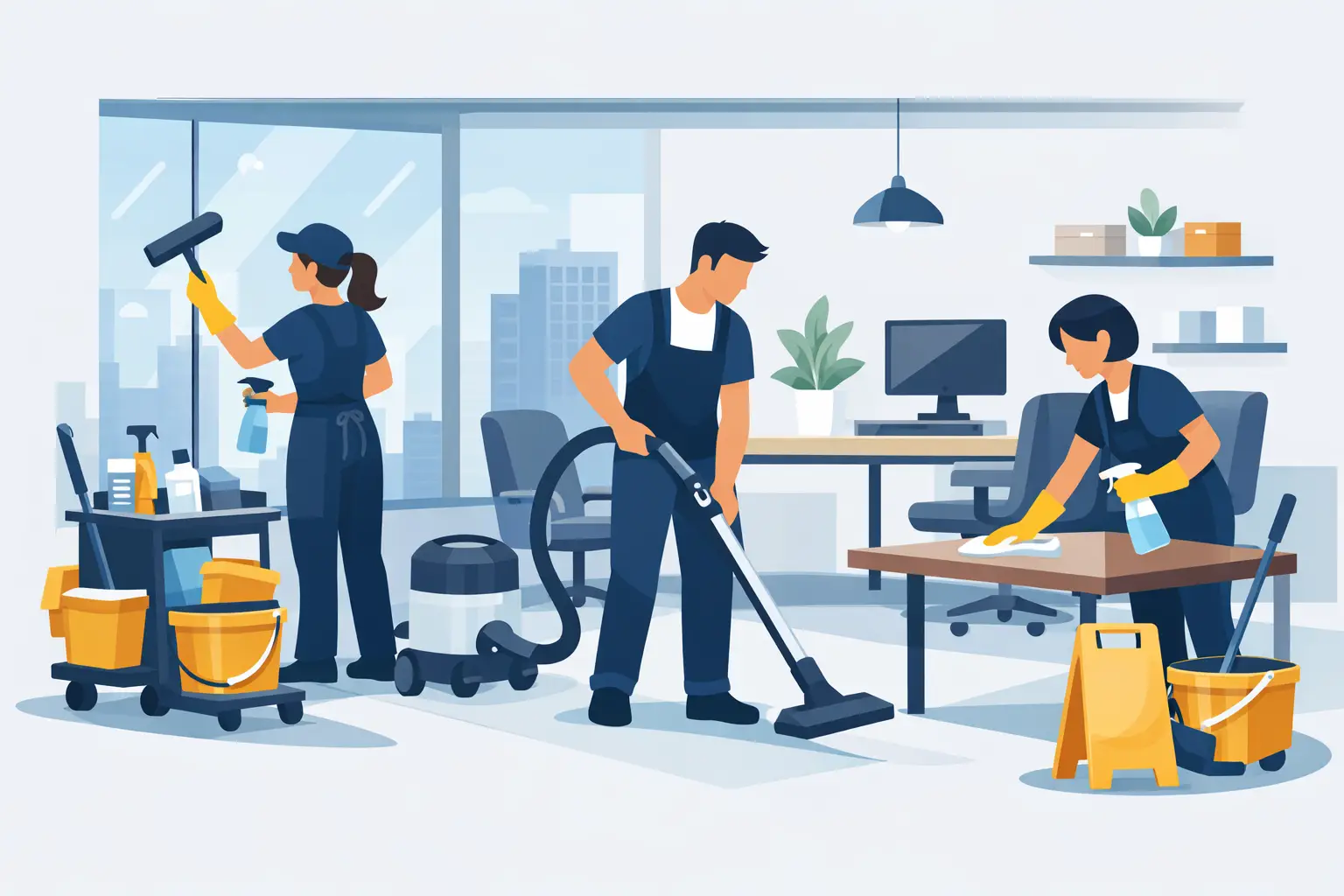
The state of your workplace is noticed before a meeting starts, before a customer is welcomed and often before the first coffee is made. Reliable commercial and office cleaning services do more than make a space look presentable. They help create a workplace where staff can focus, visitors feel confident and everyday operations run with fewer distractions.
For busy business owners, office managers and property managers, cleaning should not become another task to chase. The right cleaning partner works to an agreed schedule, understands the areas that matter most and delivers consistent results without interrupting the workday.
Why a clean office supports better business
A clean workplace sets a practical standard. Dusty desks, overflowing rubbish bins, marked glass and untidy bathrooms can quickly affect how clients view your business. They can also make staff feel that their comfort has been overlooked.
Regular cleaning helps keep shared spaces pleasant and usable. Kitchens are easier to use when benches, sinks and appliances are properly cleaned. Bathrooms remain more comfortable when consumables are monitored and high-touch areas receive proper attention. Reception areas, meeting rooms and entry points stay ready for unexpected visitors rather than needing a rushed clean before an appointment.
There is also a wellbeing benefit. Offices have many shared touchpoints, including door handles, lift buttons, taps, keyboards and kitchen surfaces. A professional cleaner can focus on these areas as part of a sensible routine, helping maintain a more hygienic environment for the people who use the space every day.
What commercial and office cleaning services should include
There is no single office cleaning checklist that suits every workplace. A compact professional office may need a fortnightly clean focused on desks, bathrooms and the kitchen. A busy shared workplace, medical reception area or customer-facing showroom may need cleaning several times a week.
The best starting point is a clear scope based on your premises, foot traffic and business hours. For most offices, regular service covers vacuuming and mopping floors, emptying rubbish and recycling, cleaning bathrooms, wiping kitchen surfaces, dusting accessible areas and cleaning entry glass or other high-visibility surfaces.
A more detailed schedule may include internal glass cleaning, carpet cleaning, window cleaning, upholstery care or a periodic deep clean. These services are useful when routine cleaning alone cannot keep pace with the way a workplace is used. After a fit-out, renovation or office move, a one-off post-construction or move-in clean can also make the handover far less stressful.
The important point is clarity. You should know what is cleaned at each visit, what is completed less often and whether supplies such as bin liners, soap and paper products are included or managed separately.
Regular cleaning versus periodic deep cleaning
Regular cleaning keeps the workplace under control. It handles the visible mess and everyday hygiene tasks that build up through normal use. For many offices, this is the foundation of a dependable cleaning arrangement.
Periodic deep cleaning goes further into areas that are not practical to tackle during every visit. It may address detailed skirting boards, stubborn marks, internal windows, carpet spots, high dusting or neglected storage areas. It is especially worthwhile before an important event, after a busy season or when a new tenant is taking over a space.
One does not replace the other. A deep clean can reset the standard, but regular visits are what maintain it.
Choosing a cleaning schedule that suits your workplace
Frequency should reflect use, not simply the size of the office. A small office with ten people sharing a kitchen and bathroom five days a week may require more attention than a larger space that is only occupied occasionally.
Weekly cleaning is often a good fit for smaller offices with moderate activity. Two or more visits per week can suit larger teams, client-facing premises and workplaces with busy amenities. Fortnightly cleaning may be enough for low-traffic offices, particularly where staff work remotely for part of the week.
Timing matters too. Some businesses prefer early morning or evening cleaning so staff arrive to a fresh workplace. Others need daytime service, especially where rubbish, bathrooms or common areas need attention during operating hours. Neither option is automatically better. The right choice depends on access, security requirements, noise considerations and how much disruption the business can reasonably accommodate.
Trust matters when cleaners have access to your office
Handing over keys, alarm details or access codes requires confidence in the people entering your premises. Price is important, but it should not be the only deciding factor. A low quote can become costly if visits are missed, the standard varies or you spend time repeatedly following up problems.
Look for a professional cleaning provider that uses trained, vetted and background-checked cleaners. Clear communication is equally important. You need a straightforward way to raise a request, update access arrangements or report an issue, with the confidence that it will be handled promptly.
Consistency also makes a real difference. When possible, having the same cleaner or regular team means they become familiar with your layout, priorities and preferred routine. They know where supplies are kept, which meeting room needs extra attention and which surfaces require particular care. That familiarity helps deliver a more dependable result from visit to visit.
House Cleaner provides this type of practical support with a caring cleaning team, simple online booking and payment, and service plans designed around the needs of each workplace.
How to set up a cleaning service without the guesswork
Before requesting a quote, take a few minutes to consider how the office works on a normal week. This leads to a more accurate scope and reduces surprises once service begins.
Start with the basics: the number of bathrooms, kitchens and workstations; the floor types; the usual number of staff on site; and whether clients visit the premises. Then identify the points that cause the most frustration. It might be a kitchen that is constantly left untidy, carpet near the entrance that marks easily, or bathroom supplies that run out at inconvenient times.
Be upfront about any special requirements. Some sites need secure access procedures, cleaning outside business hours, particular products or a careful approach around sensitive equipment. If the office includes a warehouse, showroom, clinic or strata common area, the cleaning scope may need to account for different surfaces and traffic levels within the same property.
Once the service begins, review it after the first few visits. Small adjustments are normal. Perhaps the kitchen needs more frequent attention while the boardroom only needs a detailed clean once a week. A good provider should be able to refine the plan as your needs become clearer.
Signs your current office cleaning arrangement needs attention
Most cleaning concerns start small. A missed bin, streaky glass or a bathroom that does not feel fresh may seem minor, but repeated issues usually point to a weak process rather than a one-off oversight.
Pay attention if staff regularly need to clean before visitors arrive, if you do not know when cleaners are scheduled to attend, or if the same issue is reported more than once without improvement. These are signs that the scope, communication or quality checks need to change.
It is also worth reviewing your arrangement when your team grows, you change offices or introduce more flexible working patterns. A schedule that worked a year ago may no longer match how the premises is being used.
A cleaner workplace starts with a clear plan
The most useful cleaning service is not necessarily the one with the longest checklist. It is the one that understands your workplace, attends when promised and keeps the areas your people rely on clean, comfortable and ready to use. With a clear scope and a dependable team, cleaning becomes one less operational concern on your list.