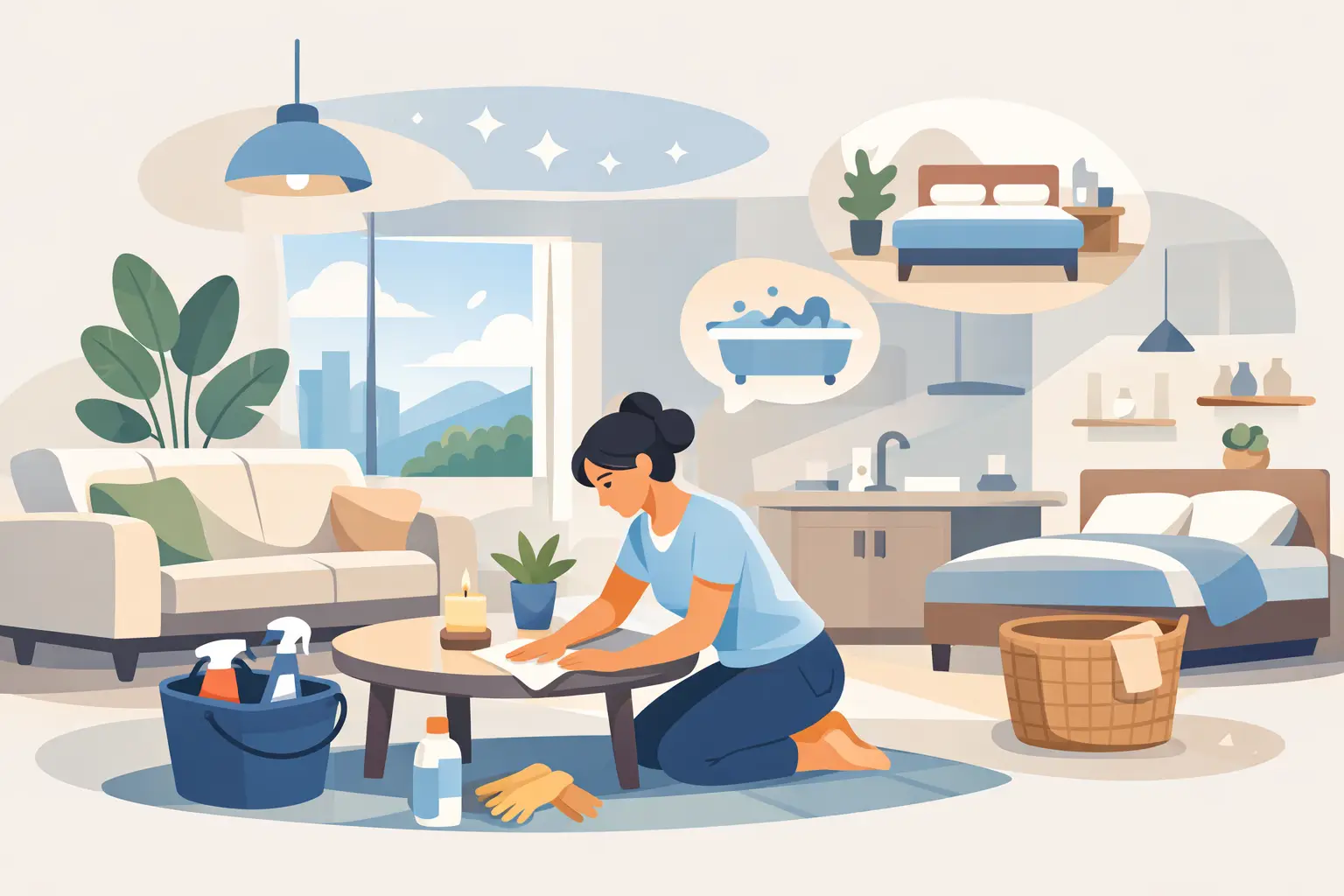
The kitchen bench can be spotless by Monday and somehow covered in crumbs, post and water marks by Wednesday. That is the reality of apartment living: smaller spaces are quick to tidy, but they show mess faster. This apartment cleaning guide is designed to make the work manageable, whether you are maintaining a busy household, sharing a rental or preparing for a property inspection.
A clean apartment is not about chasing perfection every day. It is about having a routine that protects the areas you use most, keeps clutter from taking over and gives you the confidence to welcome visitors without a last-minute cleaning rush.
Start with the cleaning standard you need
Before reaching for a spray bottle, decide what kind of clean is needed. A regular clean keeps your apartment comfortable and hygienic. A deep clean tackles the jobs that get missed in weekly life, such as skirting boards, oven grime and bathroom mould. A move-out clean is more detailed again, with attention to cupboards, walls, appliances and areas that may be checked during a final inspection.
These standards should not be treated as interchangeable. If you are renting, your property condition report is a useful reference point for the condition you need to restore. Fair wear and tear is different from built-up dirt, stains or neglected grease. If there is uncertainty about your lease requirements, check with your property manager before booking or starting a major clean.
For most homes, a weekly clean supported by a more thorough clean every few months is a realistic balance. Apartments with pets, young children, indoor drying or several occupants may need more frequent attention, particularly in bathrooms and kitchens.
An apartment cleaning guide that works room by room
The easiest way to lose momentum is to move randomly from one job to another. Work from dry tasks to wet tasks, and from higher surfaces down to the floor. This means dust settles before you vacuum, and crumbs are removed before you mop.
Begin with a quick reset
Put away laundry, shoes, dishes, paperwork and anything that belongs in another room. In an apartment, visual clutter has an outsized effect because storage is often limited. Do not spend half an hour organising a drawer when the aim is to clean. Place loose items in a basket or return them to their proper place, then continue.
Open windows where practical and safe. Fresh air helps bathrooms and kitchens dry properly after cleaning, though Melbourne weather may call for a shorter airing time on cold or wet days.
Give the kitchen priority
The kitchen is usually the hardest-working area in an apartment. Start by clearing and wiping benches, then clean the sink, tapware and cooktop. A soft cloth and suitable surface cleaner will handle everyday marks, while a degreaser may be needed around the rangehood, splashback and stove controls.
Do not overlook the microwave, fridge handles, cupboard fronts and bin area. These are high-touch surfaces that quickly make an otherwise clean kitchen feel neglected. Sweep or vacuum crumbs from corners before mopping the floor.
The oven needs a separate plan. Light spills can be managed as part of a regular routine, but baked-on grease often requires a dedicated deep clean. Always follow the appliance manufacturer’s guidance, especially for self-cleaning ovens and delicate cooktop surfaces.
Clean bathrooms with enough contact time
Spray the shower, basin, toilet and tiles first, then let the product sit as directed on the label. This gives it time to break down soap scum and grime while you complete another nearby task. Scrubbing immediately can mean more effort for a poorer result.
Use separate cloths for the toilet and for other bathroom surfaces. Pay attention to taps, shower screens, drain edges and the floor around the toilet. These small details matter in daily comfort and during inspections. If mould returns quickly, ventilation may be part of the issue. Run the exhaust fan, leave the door open after showers where possible and dry damp areas rather than simply covering them with stronger chemicals.
Make bedrooms easier to maintain
Fresh sheets and clear bedside tables make a bedroom feel clean even before the rest of the room is finished. Dust accessible furniture, wipe marks from mirrors and vacuum beneath the bed if you can reach it safely. In compact bedrooms, avoid storing piles of items on the floor. They collect dust and turn a simple vacuuming job into a bigger task.
Wardrobes do not need to be fully reorganised each week. For a deeper clean, remove a section at a time, vacuum the base and wipe shelves before returning belongings. This approach avoids creating more mess than you can finish.
Finish with living areas and floors
Dust entertainment units, shelves, window sills and reachable light switches. Use a microfibre cloth that is clean and only lightly damp where required. Too much water can leave streaks on glossy furniture and may damage some timber finishes.
Vacuum upholstery, rugs and floor edges before cleaning hard floors. A good vacuum pass around skirting boards, under the sofa and near balcony doors makes a noticeable difference. Then mop only once the floor is clear of grit. Excess water is rarely helpful in apartments, particularly on laminate flooring or where ventilation is limited.
Build a routine around your real week
The best cleaning schedule is the one you can keep. For many busy residents, a 10-minute daily reset prevents the weekend clean from becoming overwhelming. Wash dishes or load the dishwasher, wipe the kitchen bench, put away obvious clutter and give the bathroom basin a quick wipe.
Set aside a little longer once a week for vacuuming, mopping, bathroom cleaning, dusting and changing sheets. Then rotate deeper jobs across the month rather than attempting them all at once. One week might include the oven, the next the inside of the fridge, then windows, balcony doors or cupboard fronts.
If you share an apartment, agree on clear ownership rather than relying on vague promises to “help out”. One person can manage bins and kitchen surfaces while another takes care of floors and bathrooms. The arrangement matters less than consistency.
Avoid common apartment cleaning mistakes
Apartment surfaces are often close together, which makes product choice and technique more important. Mixing cleaning chemicals is never safe. In particular, avoid combining bleach with other products, as harmful fumes can result. Read labels, use products as directed and keep the space ventilated.
Another common mistake is using abrasive tools on glass cooktops, stone benches, shower screens or polished tapware. A stubborn mark can be frustrating, but harsh scouring can leave permanent scratches. Test an unfamiliar product in a discreet spot first.
It is also tempting to ignore balconies, tracks and vents because they are less visible. Yet dust, leaves and moisture build up in these areas and can find their way indoors. A quick sweep of the balcony and vacuum of sliding-door tracks can improve both cleanliness and airflow.
There are times when doing it yourself is practical, and times when expert help saves far more than it costs. A professional clean can be particularly useful before moving out, after renovations, ahead of guests, following a busy period at work or when recurring cleaning has slipped beyond what a weekend can fix.
Regular weekly or fortnightly support also suits residents who value a consistently clean home but do not want cleaning to consume their limited free time. The right service should be clear about what is included, arrive reliably and use trained, vetted cleaners you can feel comfortable having in your home. For repeat visits, having the same cleaner where possible can make the experience more consistent and personal.
House Cleaner supports Melbourne apartment residents with one-off and recurring cleaning options designed around everyday routines, not unrealistic standards. A clear conversation about your priorities, such as bathrooms, pet hair, floors or inspection preparation, helps ensure the service fits your home.
A clean apartment should give you room to rest, work and enjoy the people who matter to you. Start with the next visible job, keep the routine simple, and ask for dependable support when your time is better spent elsewhere.